A city worth understanding before you go

The rest of this guide is structured around three themes the available evidence actually supports: weather and seasonal context, getting around in a city shaped by wartime realities, and the wider Ukrainian food culture you may come across during your stay. Where the facts do not speak, this guide stays quiet.
Weather and seasonal context
Kharkiv sits on the rolling plains of northeastern Ukraine, and the climate can feel like a study in contrasts over the course of a year. The city is far from the coast, so swings between summer warmth and winter cold tend to be pronounced. For a visitor, that often translates into packing layers rather than relying on a single outfit.
What shapes any weather conversation about Kharkiv right now, however, is not just the climate. Ukraine continues to face serious safety and security risks due to the ongoing war, and Kharkiv is directly affected by that broader situation. Temperatures and sunshine are still part of daily life, but they sit alongside more pressing realities that any traveler needs to take seriously. Treat the seasons as a backdrop for a trip that is, first and foremost, a careful one.
Getting around
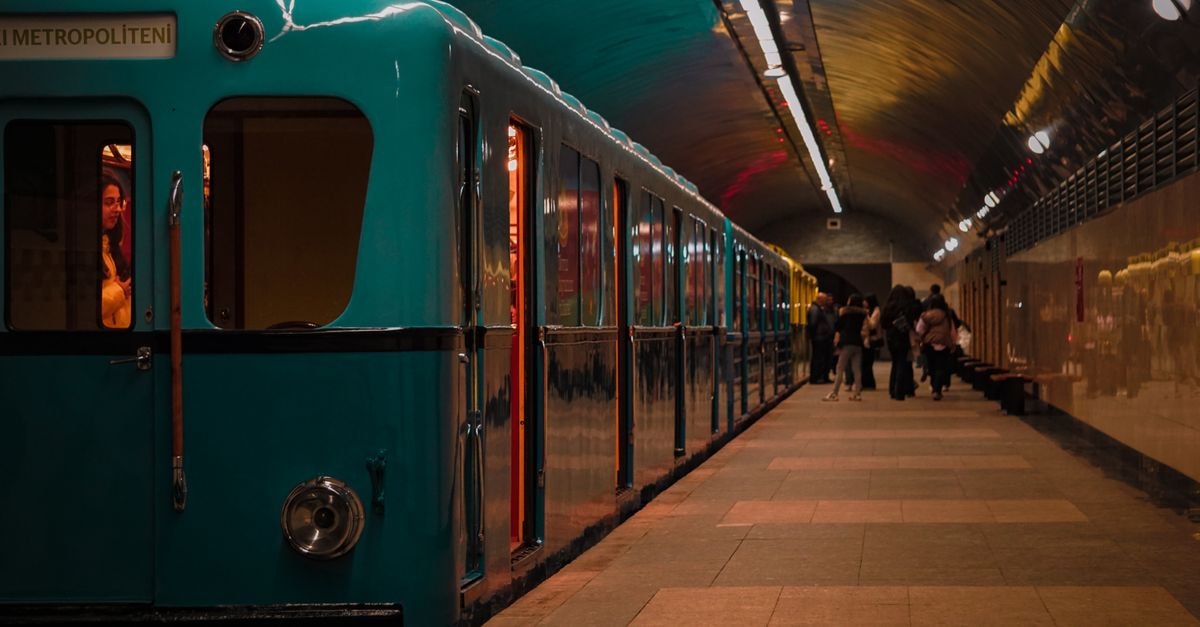
Kharkiv is not "safe" in the classic tourist sense. That honest framing matters before any talk of metro lines or marshrutkas. The city remains open to visitors, but it is also one of the cities most affected by the full-scale war because of its proximity to Russia. Kharkiv's position close to the border shapes everything from the rhythm of daily life to how residents move between neighborhoods.
For anyone considering arrival by rail or by road from elsewhere in Ukraine, the same careful-planning logic applies. Intercity connections into Kharkiv have varied over the course of the conflict, and any long-distance routing deserves a fresh check through official channels before you commit. When in doubt, ask locally: residents and trusted hosts are often the most reliable source of what is actually running.
Food and local context
Ukrainian food culture is the country's quiet love language. It does not whisper, and it does not try to be trendy. You will find it in family kitchens, neighborhood cafés, and the kind of unpretentious spots where the menu rarely changes because the dishes are already exactly what they should be.
A few final thoughts
Let your trip be guided less by a checklist and more by a willingness to adjust. Check forecasts and transport updates close to your travel date. Confirm any intercity routing with official sources. Talk to locals about what the city looks like right now, not what it looked like in a guidebook. And treat the food you encounter as a small bridge to a wider culture that is proud, generous, and well worth understanding.
Quick verification note
Factual travel conditions — including transport availability, opening hours, prices, and safety guidance — can change quickly in the current environment. Always cross-check current information through official Ukrainian government channels, your country's foreign travel advisory, and trusted local contacts before and during your trip. The context in this guide is meant to support, not replace, those checks.
Daily cost reference (where evidence supports it)
Daily on-the-ground spending varies widely depending on choices, so this guide does not offer a fixed per-day budget figure; the available evidence does not support a precise range specific to Kharkiv in the present circumstances. Plan for a flexible daily allowance, confirm the live exchange rate closer to your trip, and remember that rates shown online are only a reference. Spending less or more than a hypothetical average is normal, and the most accurate current sense of cost comes from asking residents or hosts what they themselves pay for a typical day.
A note on money
If you exchange currency during your stay, treat any rate you read online as a reference point rather than a guarantee. Live rates shift through the day, and the rate you receive at a bank or exchange office will depend on the venue, the currency you bring, and the amount involved. The simplest habit is to check the official rate shortly before any exchange and to carry a small backup payment method in case a particular venue cannot accept your primary one.
Share this article
TOOLS FOR THIS PLAN
Make the Kharkiv plan measurable
Choose a tool only when it answers the next question in your trip. Your values stay in the browser, and each tool offers a route back to this planning context.