Sumy at a glance

There's something quietly compelling about Sumy. Set in the rolling landscape of northeastern Ukraine, the city carries the easy pace of a regional capital that grew up around its river and its history rather than chasing them. Sumy is the administrative center of Sumy Oblast, and its identity is stitched from a 17th-century Cossack-fortress origin, a long industrial stretch, and a generous spread of green space and architectural landmarks that visitors tend to notice once they slow down.
What surprises most travelers is the contrast between its working-city reputation and the elegance of its central streets. Religious buildings anchor much of the city's visual heritage, with the Holy Transfiguration Cathedral standing out as one of the most majestic, and the Holy Resurrection Cathedral adding another layer of architectural beauty to the skyline. There's also a literary thread to the place: the Chekhov Museum celebrates the writer's connection to the area, giving the city a cultural anchor beyond its civic identity. Together, these pieces offer a Sumy experience that feels rooted, civic, and unexpectedly graceful for a city of its size.
Heritage and architectural landmarks
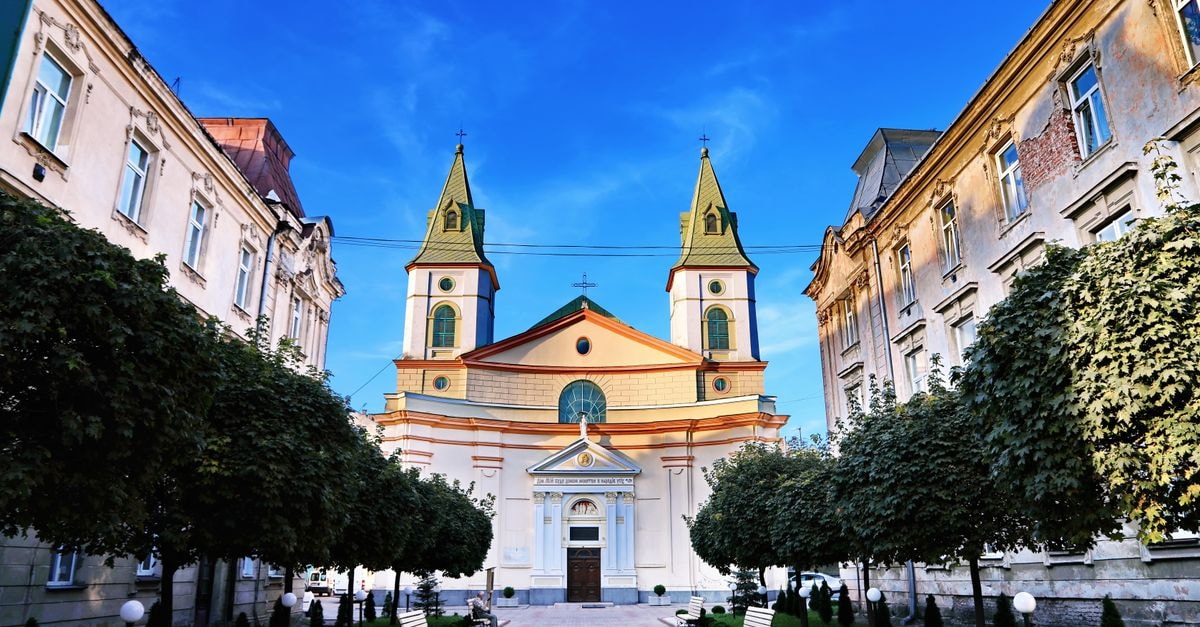
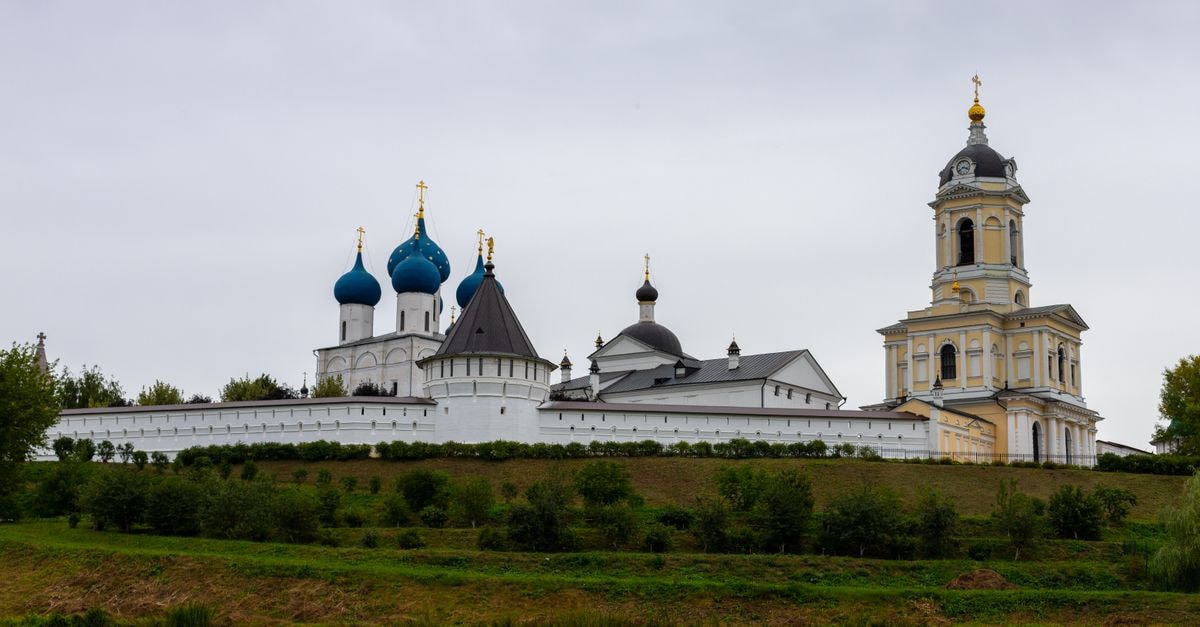
Sumy's skyline tells a layered story. The city was founded in the 17th century as a Cossack fortress, and over time that defensive origin gave way to elegant civic and religious architecture. Despite its status as an industrial center, Sumy boasts magnificent architectural monuments, among which religious buildings hold a special place.
Two cathedrals are the natural starting points for any architectural walk. The Holy Transfiguration Cathedral is described as one of the most majestic in the city, while the Holy Resurrection Cathedral adds its own quiet grandeur nearby. Both reward unhurried visits, especially from the outside, where the facades and domes frame the central districts. Beyond the cathedrals, the broader pattern of 19th- and 20th-century civic architecture gives the city center a walkable, contemplative rhythm that suits travelers who like to wander rather than check off a list.
For visitors interested in literary history, the Chekhov Museum celebrates the writer's connection to the area. It's a reminder that Sumy's cultural reach extends beyond its own borders and that the city sits inside a wider network of Ukrainian cultural memory.
Getting around and planning timing
Sumy's scale makes it a manageable city to explore on foot once you're settled in. The central landmarks, including the cathedrals and the museum, sit within a compact core, which means a slow morning or an afternoon stroll can cover a meaningful slice of the city's heritage without needing a car.
That said, planning the trip well matters. During busy periods prices can rise and availability may be limited. This is worth keeping in mind when booking accommodation and arranging intercity transport into Sumy, because the same seasonal pressure that affects larger Ukrainian destinations can ripple through smaller regional centers as well. Building in a little extra flexibility around arrival and departure can save both money and stress.
Because Sumy functions as the administrative center of its oblast, the city's transport links are set up for regional travel as much as for tourism. Travelers arriving from elsewhere in Ukraine will find the connections practical rather than glamorous, which is often exactly the right tone for a city whose charm lies in its everyday rhythm.
Food and the wider Ukrainian table
Sumy sits firmly inside a national food culture that visitors will encounter throughout their stay. Ukraine doesn't do subtle, and the country's culinary identity is built around hearty, generous, deeply traditional dishes that turn a simple meal into a small event.
One dish that follows travelers everywhere in Ukraine is borscht (борщ). It's a must-try staple of the country's culinary heritage and a reliable introduction to how Ukrainians think about food: rich, slow-cooked, and unmistakably tied to home kitchens. Beyond borscht, the broader Ukrainian table includes a wide range of traditional dishes and dining customs that visitors will bump into in cafes, restaurants, and family-style meals across the country. Eating in Sumy means stepping into that wider tradition, even when the menu feels locally curated.
A few practicalities are worth keeping in mind. Portions tend to be generous, meals are social rather than rushed, and asking what's local or seasonal usually leads to a friendly conversation rather than a simple answer. Travelers with dietary preferences will find that the most reliable move is to ask directly; Ukrainian hospitality is generally forthcoming about ingredients and preparation, especially in smaller regional cities where the pace is slower and the staff has more time to explain.
Cultural context and customs
Ukraine is a diverse Eastern European nation rich in history, culture, and natural beauty, and that national character shows up in everyday life across the country. Sumy, as a regional capital with Cossack roots, tends to embody that mix with a particular warmth.
Visitors will often find that a few simple habits make the trip smoother. Greetings tend to be warm and personal, meals are treated as social occasions rather than quick refueling stops, and showing genuine curiosity about local history tends to be appreciated. The Chekhov Museum, the cathedrals, and the broader architectural heritage all offer natural openings for those conversations.
Because Sumy sits within this wider national culture, travelers who take a little time to read up on Ukrainian customs before arriving tend to find the city more rewarding. It's less about learning a list of rules and more about tuning in to the local rhythm, which is unhurried, hospitable, and proud of its regional identity.
Practical notes for the trip
A few evergreen points can help shape expectations:
- The city's compact center makes walking the most rewarding way to experience Sumy's architectural landmarks. - Religious buildings, including the Holy Transfiguration Cathedral and the Holy Resurrection Cathedral, are central to the city's visual identity and worth planning around. - The Chekhov Museum offers a quieter, more reflective stop that complements the cathedrals. - Booking travel and accommodation with some buffer during busy periods can help avoid the price and availability pressure that affects regional destinations. - Ukrainian food culture is generous and traditional; trying borscht and other staples is part of the wider experience of being in the country.
A note before you go
Travel conditions can change, and it's always wise to verify current travel guidance, opening hours for specific landmarks, and any local advisories through official channels before departure. Treat the points above as a foundation for planning rather than a guarantee, and build in room for the city to surprise you once you're actually on the ground in Sumy.
Share this article
TOOLS FOR THIS PLAN
Make the Sumy plan measurable
Choose a tool only when it answers the next question in your trip. Your values stay in the browser, and each tool offers a route back to this planning context.