A first look at Kibaha

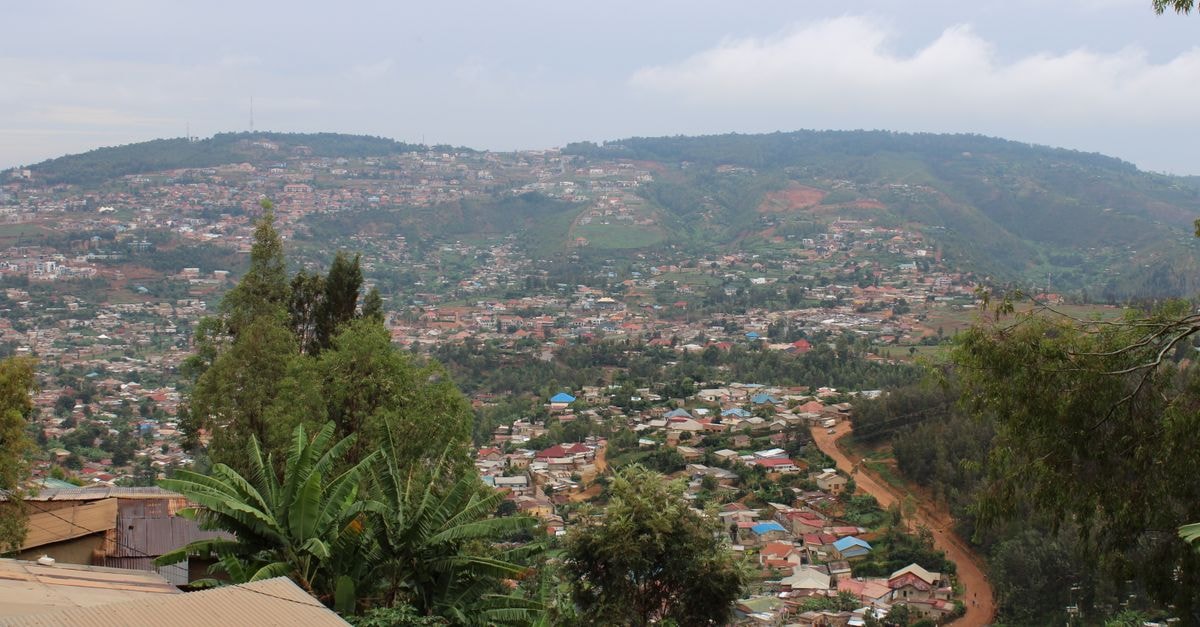
Kibaha is not the kind of place that shouts for your attention, and that is precisely the charm. Tucked into the Pwani region along the coastal corridor of eastern Tanzania, this small town offers a window into everyday Tanzanian living that the larger, busier destinations often smooth over. Travelers who land at Julius Nyerere International Airport in Dar es Salaam and decide to linger a little before heading further afield will find a town that rewards unhurried wandering and casual conversation.
What Kibaha lacks in headline-grabbing landmarks, it more than makes up for in texture. The rhythm of the day moves with market traders, motorcycle taxis, and the warm greetings of people who are used to seeing visitors pass through but rarely stay long enough to be recognized by name. For travelers who prefer genuine local atmosphere over polished resort experiences, Kibaha offers something quietly valuable: a chance to slow down and observe how life unfolds along a Tanzanian secondary town.
One small note before setting expectations: Kibaha is widely described as a town with few formal tourist attractions, which means the pleasures here are atmospheric rather than architectural. Coming with patience, a sense of curiosity, and an openness to being a respectful guest tends to matter far more than carrying a packed sightseeing list.
Weather and seasonal context
Kibaha sits in a coastal belt where temperatures feel warm most of the year and the air carries a noticeable humidity. Visitors should generally expect conditions that lean toward the warmer side of comfortable rather than cool and crisp, with a climate that favors clear, rainless stretches for outdoor moments. The town is often described as a place where the typical outdoor comfort window falls within a pleasant mid-range of warm temperatures, so light, breathable clothing is a sensible default in any packing list.
Because the dry season months of June through October are commonly noted as a preferred window for outdoor activities in the broader area, travelers who prioritize long walks, market browsing, and time spent outdoors may want to plan around that stretch when flexibility allows. That said, Kibaha does not shut down when the rains arrive; it simply shifts its pace. Locals continue their routines, and visitors who do not mind the occasional downpour often find the surrounding greenery especially lush.
A practical tip: pace the warmest hours gently. Late mornings and early afternoons can feel noticeably hotter, especially under direct sun, while the early mornings and the golden hour before sunset tend to be the most rewarding times to be outside. Carrying water, wearing a hat, and choosing shaded spots for long conversations are small habits that make a meaningful difference in how the day feels.
Getting around and moving through town
Getting to Kibaha is most often done overland from Dar es Salaam, which sits relatively close by road. The standard departure points for intercity coaches and privately operated buses are the Ubungo Bus Terminal and other major bus stops in Dar es Salaam. Coaches and privately operated buses are typically described as slightly more comfortable than the most basic local options, and they tend to cost a little more in exchange for that extra comfort. For travelers who value a smoother ride over saving a small amount, booking a seat on one of these buses is usually the most straightforward approach.
Once in Kibaha itself, the town is compact enough that most of what a visitor wants to see can be reached on foot. Distances between the central market, residential lanes, and roadside gathering points are short, and walking tends to be the most rewarding way to take in the texture of the place. Where legs grow tired or the sun climbs high, motorcycle taxis and other informal local transport options are part of daily life here and can be flagged down with a friendly wave.
For travelers planning to stay overnight, Kibaha lists a range of accommodations and local activity options on common booking platforms, which makes it relatively easy to compare what is available before arrival. Choosing a place near the market or the main road tends to put visitors within easy walking distance of most things they will want to experience during a short stay.
The rhythm of Kibaha Market
The Kibaha Market sits at the heart of the town and serves as a central hub for fresh produce, handmade crafts, and traditional textiles. It is the kind of place where the personality of the town reveals itself most clearly, because market days are when Kibaha feels most alive. Stalls brim with seasonal fruits and vegetables, and the textile section offers a chance to see local fabrics and craftwork in their natural setting rather than behind a tourist-oriented display.
Visiting the market is as much about watching as buying. The flow of traders setting up in the early hours, the steady stream of neighbors coming to chat and shop, and the unhurried bargaining culture all reward visitors who linger. A few practical courtesies go a long way: greeting stallholders before asking about prices, asking before photographing people, and treating the market as a working space rather than a stage. Travelers who approach it this way often come away with small, genuine purchases and a stronger sense of what everyday life in Pwani region feels like.
What an unhurried visit can feel like
Because Kibaha is not built around a checklist of formal sights, the most useful way to think about a visit here is in terms of pace rather than itinerary. A traveler who arrives with a few loose intentions, such as spending time at the market, walking through nearby lanes, and stopping for a long conversation over tea, will almost certainly get more from the town than someone racing through with a packed schedule.
It helps to remember that Kibaha is widely described as offering a glimpse into everyday Tanzanian life rather than a curated set of attractions. The friendliness of locals is part of the experience in itself, and small interactions, like being directed to the best stall for mangoes or invited to share a bench in the shade, often become the moments travelers remember most. Treating the town as a place to listen and observe, rather than a destination to conquer, tends to be the right posture.
A quick verification note
Conditions in and around Kibaha can change over time, including transport availability, market schedules, and accommodation listings on booking platforms. Before traveling, it is worth double-checking current bus departure points, ride options, and lodging availability through official channels or recent traveler reports. Currency rates, where relevant, are only a reference and should be confirmed against the live exchange rate at the time of the trip. This guide is intended as a starting point for planning, not as a substitute for up-to-date local information.
A gentle sign-off
Kibaha will not be for every traveler, and that is fine. For those who arrive curious rather than demanding, who would rather walk a market lane than queue for a famous viewpoint, the town offers something quietly memorable. It is a place where the everyday is interesting, where a few unhurried days can leave a clearer picture of coastal Tanzania than a faster pass through a larger city. Pack light, stay flexible, and let the rhythm of Kibaha do the rest.
Share this article
TOOLS FOR THIS PLAN
Make the Kibaha plan measurable
Choose a tool only when it answers the next question in your trip. Your values stay in the browser, and each tool offers a route back to this planning context.