A Quiet Introduction to the Roof of the World

Lhasa sits at the heart of Tibet and carries the quiet gravity of a place where prayer flags, monastery walls, and modern city streets share the same horizon. For travelers used to lower elevations, the city asks for a slower pace and a measure of humility. Visitors are often surprised by how much the experience is shaped less by sights on a checklist and more by altitude, ritual, and the everyday rhythm of Tibetan life. This guide gathers what is genuinely useful to know before arriving: how the seasons tend to feel, how to move in and around the city, where most visitors begin their sightseeing, and the food culture that frames daily life here.
Weather and Seasonal Context
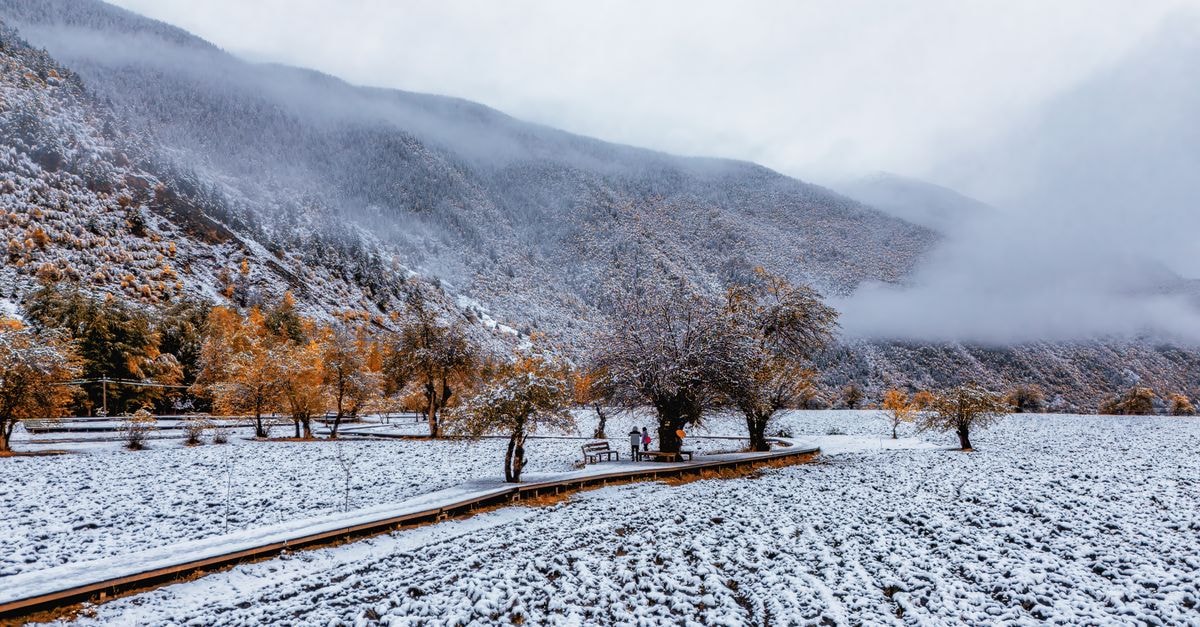
Lhasa is broadly considered a year-round destination, and travelers tend to plan their visit around the warmer half of the calendar. The period from April to October is generally regarded as the best time to travel, with May through September standing out as the busiest stretch. Outside of that window the city does not close, but the rhythm of travel shifts, and the experience can feel more contemplative. Because conditions at altitude can change quickly from one day to the next, layering is almost always a good idea, and giving yourself an unhurried first day is a small kindness to your body. It is worth thinking of the climate as a backdrop to your plans rather than a fixed schedule: pleasant mornings, bright midday sun, and cooler evenings are the usual pattern for much of the year.
Getting To and Around Lhasa
As the capital of Tibet, Lhasa serves as the primary transportation hub for the region, and there are several optional transport methods for reaching the city and continuing onward to other major cities in China. That central position is one of the practical reasons many travelers use Lhasa as either a starting point or a base for a longer Tibetan journey. Because of how the city's transport network is structured, it can help to look at updated information well in advance, so the overall trip feels more comfortable and smooth once you arrive.
Foreign visitors should be aware that a Tibet Travel Permit must be pre-arranged before boarding any train or flight into Lhasa. This is a planning step rather than something handled at the station or airport, and it shapes how the journey is timed. Once you are in the city itself, distances between the main sights are manageable, and the central areas where most visitors spend their time are walkable, particularly around the older quarters.
Attractions and How to Plan Your Time
Lhasa's sightseeing is anchored by a small number of deeply significant sites, and most visitor itineraries naturally revolve around them. A common piece of advice for first-time travelers is to begin with the city's main museum, because the background it provides on Tibetan history, religion, and material culture tends to enrich everything that follows. Walking into the great monasteries and temples after that first visit often feels more textured, since the visual details begin to connect to a wider story.
A little patience goes a long way here. Many of the most meaningful experiences in Lhasa are less about rushing between landmarks and more about simply being present, watching pilgrims circle a temple, or noticing the small rituals of daily devotion that continue alongside modern life. Building slack into the day allows both the body to adjust and the mind to settle into the slower pace that the altitude and the culture both invite.
Food and Local Context
Tibetan food culture in Lhasa is often described as beginning with altitude sickness and ending with butter tea, and that gentle summary captures both the practical and the flavorful sides of eating here. The cuisine is shaped by what grows and grazes on the high plateau, and dishes tend to be hearty, warming, and built around a few core ingredients that appear again and again. Noodle soups are a defining part of the local table, with thenthuk, a hand-pulled noodle soup made with yak meat and daikon radish, sitting among the must-try specialties. Butter tea, tsampa, and meat-based stews round out the everyday repertoire, and travelers often find that what feels unfamiliar at first becomes surprisingly comforting after a few meals.
Most visitor-friendly restaurants in Lhasa are concentrated around Barkhor Street and the Jokhang Temple area, which makes that corner of the old city a natural home base for exploring both the food scene and the surrounding sights. The clustering is convenient: a morning walk through Barkhor, a visit to the Jokhang, and a warm bowl of noodles nearby is a satisfying way to structure a day, and it lets you move at a gentle pace without long transitions between activities.
For visitors coming from elsewhere in China, it can also be useful to remember that Chinese dining customs more broadly are part of the everyday scene you will encounter. Shared dishes, hot tea as a constant presence, and the social rhythm of sitting down to eat together all shape meals outside specifically Tibetan restaurants. Recognizing those habits as wider Chinese context, rather than anything specifically Lhasa-only, can make restaurant experiences feel more familiar and easier to navigate.
Closing Notes for Travelers
A trip to Lhasa rewards the kind of preparation that goes beyond a simple itinerary. Sorting out the travel permit early, giving yourself time to acclimatize, eating well, and choosing a small number of places to explore in depth rather than racing through a long list will usually produce a more memorable visit than the opposite approach. The city does not ask for much, but it does ask for a slower tempo, and the travelers who arrive with that mindset often find that Lhasa lingers with them long after the journey home.
*Travel conditions, permits, transport options, and local services can change over time. Verify the latest details through official channels and licensed tour operators before departure so that your plans reflect current requirements.*
Share this article
TOOLS FOR THIS PLAN
Make the Lhasa plan measurable
Choose a tool only when it answers the next question in your trip. Your values stay in the browser, and each tool offers a route back to this planning context.