Welcome to Likasi

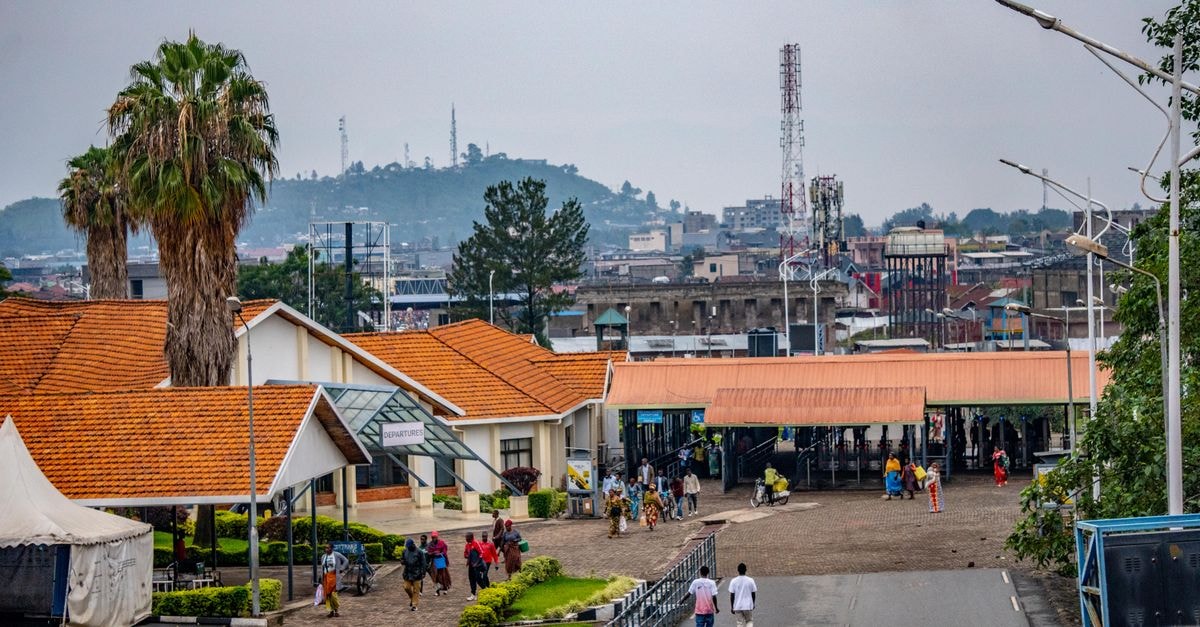
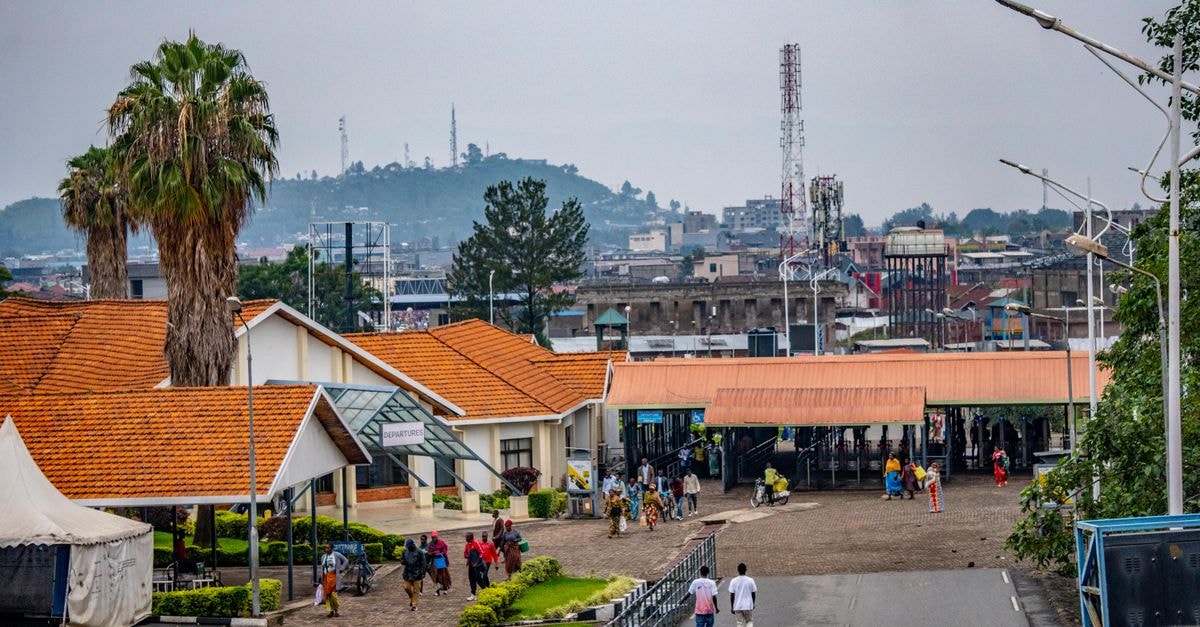
Likasi is a city in Haut-Katanga, in the southern part of the Democratic Republic of the Congo. It does not present itself as a polished tourist destination, and that is part of its quiet character. Travelers who arrive tend to be drawn by the area's mining story, the pace of provincial Congolese life, and the simple satisfaction of being somewhere that feels lived-in rather than curated.
What you experience here is shaped by industry and history more than by sightseeing checklists. If you come with curiosity and patience, Likasi offers a window onto a working city in one of Africa's most resource-rich regions.
Getting around
There is no formal public transport system serving Likasi in the way a visitor from a major city might expect. Instead, movement around town tends to be handled through local arrangements: shared vehicles, motorbike taxis, and informal options that residents use daily. Local road upgrades have been described as gradually changing how journeys feel, but travelers should not count on a structured network of buses or fixed routes.
It is also worth being honest about accessibility. Public transportation in Likasi is not accessible for travelers with mobility challenges, which matters for anyone planning a visit with specific mobility needs. If this applies to you, conversations with hosts, hotels, or local contacts before arrival are the most realistic way to plan around the limitations.
Attractions and planning
Likasi is not framed as a sightseeing capital, and that framing matters. Travel writers consistently describe the city's significance as industrial and historical rather than touristic, and its appeal is rooted in daily life and the mining heritage that shaped it. That is not a disappointment so much as a different kind of invitation.
Visitors who enjoy Likasi tend to be the kind of travelers who find value in a town's working atmosphere: the markets, the streets, the architecture that reflects an era of industrial development, and the conversations that come from being somewhere that isn't on a standard itinerary. If you are looking for a list of must-see monuments or a checklist of famous landmarks, you may leave underwhelmed. If you are looking for a sense of place grounded in everyday Congolese life, Likasi has plenty to offer.
When planning, treat the city as a place to slow down rather than rush through. Give yourself room for unplanned conversations, plan fewer formal activities per day, and let the rhythm of the city set the tempo.
Food and local context
Wikivoyage-style resources describe Likasi as an outline travel destination that needs more content, which is a fair signal that published guidance on where to eat, what to order, and which markets to visit is thin. That doesn't mean there is nothing to enjoy, simply that a visitor's experience of food here is shaped by what's cooking in the neighborhoods you pass through rather than by a list of named restaurants.
A note on practicalities
Currency, transport availability, and specific services in Likasi can shift over time. The notes above describe the picture supported by current travel sources, but they are not a guarantee of what you will find on the day. Checking official channels before departure, including your nearest DRC embassy or consulate and any official government travel advisories, is the most reliable way to confirm visa requirements, transport conditions, and security guidance.
Most nationalities need a tourist visa for the DRC, obtained before arrival either from a DRC embassy or through the official short-stay e-visa portal via an authorised operator with a letter of invitation, which is a practical detail to confirm well before any trip is booked.
Travel conditions in any city evolve, and Likasi is no exception. Treat the information here as a starting point for your own planning rather than a final answer, and verify anything that would affect your itinerary before you commit to it.
Safe travels, and enjoy the slow discovery of one of Congo's quieter cities.
Share this article
TOOLS FOR THIS PLAN
Make the Likasi plan measurable
Choose a tool only when it answers the next question in your trip. Your values stay in the browser, and each tool offers a route back to this planning context.