Setting the scene in Maragheh

There is a particular kind of hush that settles over a city when a great mountain shoulders the skyline, and Maragheh carries exactly that mood. Tucked into the East Azerbaijan region of northwestern Iran, this city of layered history sits beneath the dome of Mount Sahand, a volcanic giant that quietly shapes everything from the breeze to the way the light pools in the old quarters at dusk. For travelers who like their wanderings seasoned with both culture and scenery, Maragheh feels like a place that rewards a slow afternoon as much as an ambitious day of sightseeing.
The city is the administrative heart of Maragheh County in East Azerbaijan Province, a detail that hints at its regional importance. That long-standing role is part of why so many historical layers have accumulated here, and why a walk through town can feel like moving between centuries without quite noticing the transition. If you are the kind of traveler who enjoys places where the past is not locked behind glass but woven into daily life, Maragheh is worth a closer look.
Weather and seasonal context
The dominant impression of Maragheh's climate is shaped less by a single month and more by its geography. The city sits in the Azerbaijan region of northwestern Iran, framed by Mount Sahand, and that mountain presence quietly influences how the air feels throughout the year. With a high-elevation backdrop, conditions can feel crisper than the latitude alone might suggest, especially in the early mornings and evenings, while midday sun often warms the streets and courtyards back up.
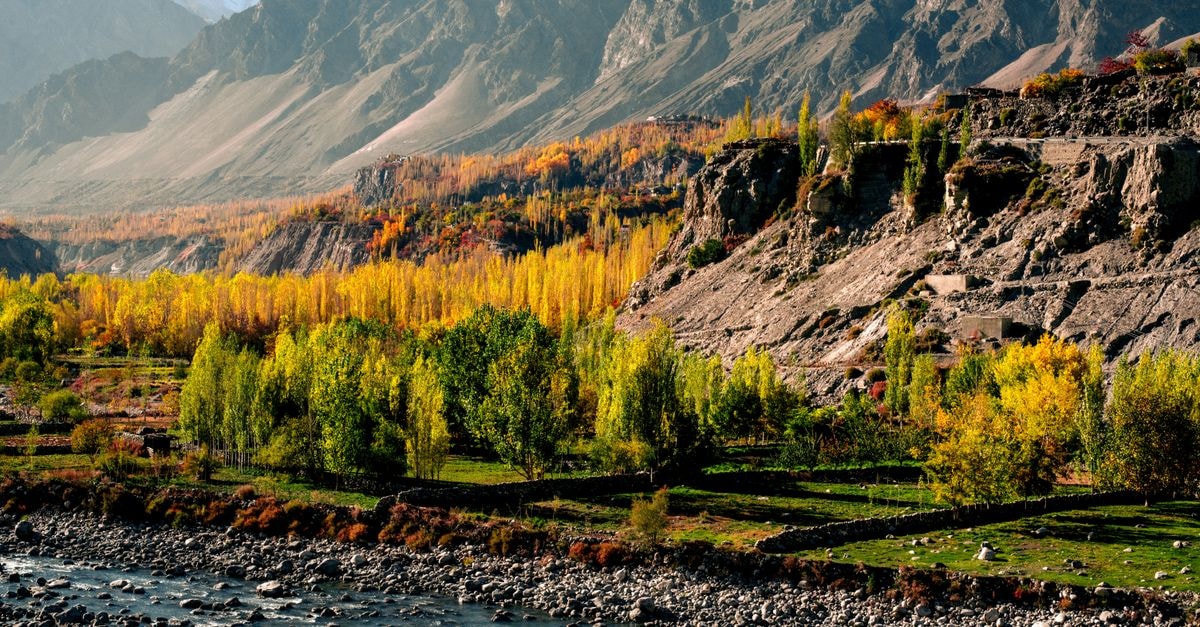
Because Mount Sahand anchors the horizon, travelers who enjoy scenery often treat the weather less as a checklist and more as a backdrop to the day. The mountain tends to be most photogenic when the sky is clear enough to reveal its full profile, and the surrounding lowlands can shift quickly between bright sun and softer, hazier light. A useful habit is to plan heavier sightseeing for the middle of the day and save outdoor strolls for gentler hours, when the air tends to feel more forgiving.
It is worth noting that broader travel-advisory language for the region has, at times, described Iran as carrying a high general risk for visitors. Travelers should consult official government travel advisories and up-to-date guidance before committing to a trip, since conditions on the ground can change. Treat any general advisory as a prompt to verify current advice rather than as a fixed description of any specific day in Maragheh itself.
Getting around
Maragheh works well as a focused day or short-stop visit within the East Azerbaijan region, and the practical rhythm is pleasantly simple. As the capital of Maragheh County, the city is a natural anchor point, with most of the everyday sights and services clustered within a compact footprint that rewards walking for those who prefer to explore on foot. Many travelers arrive by taxi or a pre-booked transfer from elsewhere in the province, and that is a sensible way to begin: settling in, checking into a hotel, and leaving luggage at the accommodation before stepping out into the city is a comfortable first move, especially after a longer journey.
Language is part of the texture here. Azerbaijani is the primary language spoken in Maragheh, layered alongside Persian, and a few friendly phrases can go a long way in markets and small eateries. If you are the kind of traveler who enjoys leaning into local rhythm, even a simple greeting can shift the texture of an interaction. Travelers who prefer a smoother logistical experience may want to confirm transfer options and accommodation details in advance, since services beyond the basics tend to be organized at the city level rather than at a more tourist-heavy scale.
For orientation, think of your first day as a settling-in loop: arrive, drop bags, take a slow walk through the central area to get a feel for the layout, and let the mountain on the horizon serve as a constant reference point. Because the city is built around its historical core and its role as a regional capital, you will find that key landmarks are close enough together to combine without a strict schedule.
Food and local context
Maragheh does not present itself as a food-tour capital in the way that some larger Iranian cities do, but the wider Iranian table is rich, generous, and very much part of daily life here. Across the country, Iranian cuisine is built around rice dishes, grilled kebabs, herb-forward stews known as khoresh, fresh breads baked in neighborhood bakeries, and a deep tea culture that anchors both mornings and afternoons. Yogurt, saffron, and dried lime show up in dishes that range from the celebratory to the everyday, and mealtimes tend to be unhurried, with conversation and hospitality given real space.
Within that wider tradition, travelers in Maragheh will encounter dishes that reflect the broader Iranian kitchen rather than a single city-specific signature. Expect to see rice and kebab combinations on more traditional menus, alongside hearty stews that change with the household or restaurant. Treat the food experience here as a way to engage with the larger Iranian dining culture rather than as a checklist of must-try local specialties, and you will find the meals feel more relaxed and rewarding.
A few practical notes help. Iranian meals often revolve around shared plates, so if you enjoy communal dining, you will feel at home quickly. If you prefer a quieter table or have specific dietary needs, small traditional restaurants and teahouses can usually accommodate with a little advance notice. Tea, in particular, is a constant companion and is rarely rushed, so pacing your afternoon around a pot of tea is one of the most authentic things you can do here.
Choosing what fits your trip
For travelers trying to decide how Maragheh fits into a wider itinerary, a few honest tradeoffs help. If your priority is layered history with a strong sense of place, the city rewards a focused stop of one to a few days, with the mountain as a scenic anchor and the historical core within easy walking distance. If you are looking for a fast-paced city full of polished tourist infrastructure, you may find the experience quieter than expected, and that may suit travelers who prefer depth over density. Those who enjoy local language, regional cuisine, and unhurried meals will likely appreciate the rhythm; travelers who want a tightly scheduled, attraction-by-attraction day may want to plan a flexible framework rather than a fixed timetable.
A note before you go
Travel conditions shift, and guidance that is accurate at the time of writing may not reflect what you encounter on the ground. Before finalizing any trip to Maragheh or anywhere in Iran, check the latest official travel advisories, confirm entry requirements and visa rules with the relevant authorities, and verify transport, accommodation, and local conditions through current sources. Treat this guide as a starting point for your own planning rather than a final word, and let the mountain, the language, and the pace of the city shape what you decide to do once you arrive.
Prices, opening hours, schedules, reservation rules, and local conditions can change; verify them through official channels before departure.
Share this article
TOOLS FOR THIS PLAN
Make the Maragheh plan measurable
Choose a tool only when it answers the next question in your trip. Your values stay in the browser, and each tool offers a route back to this planning context.