Yamagata at a Glance

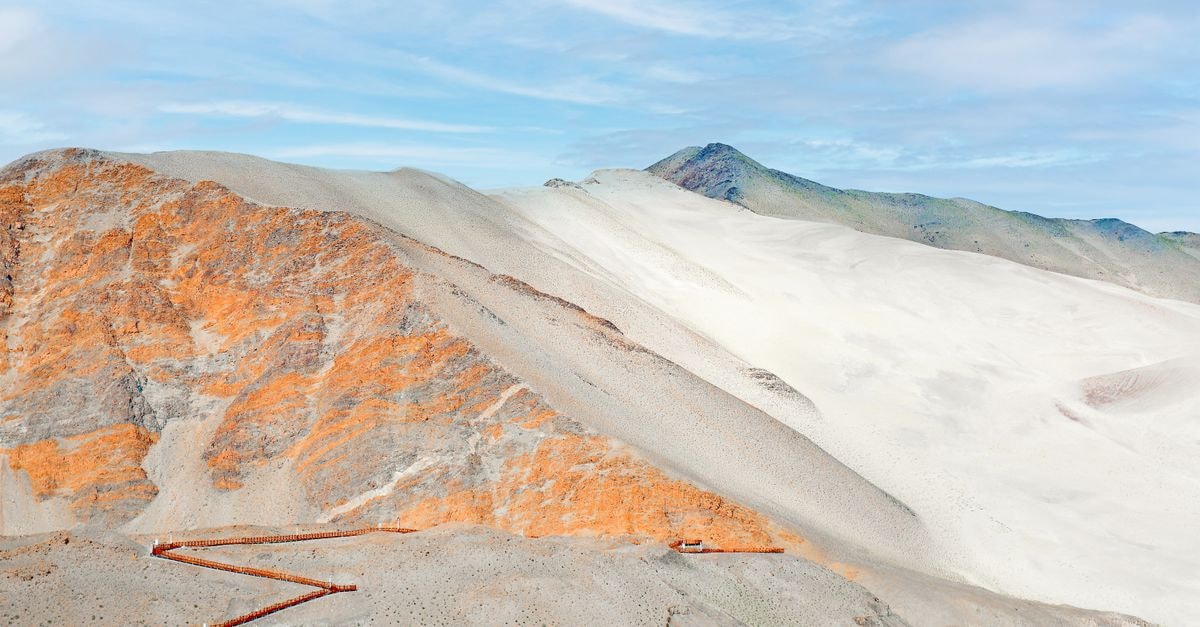
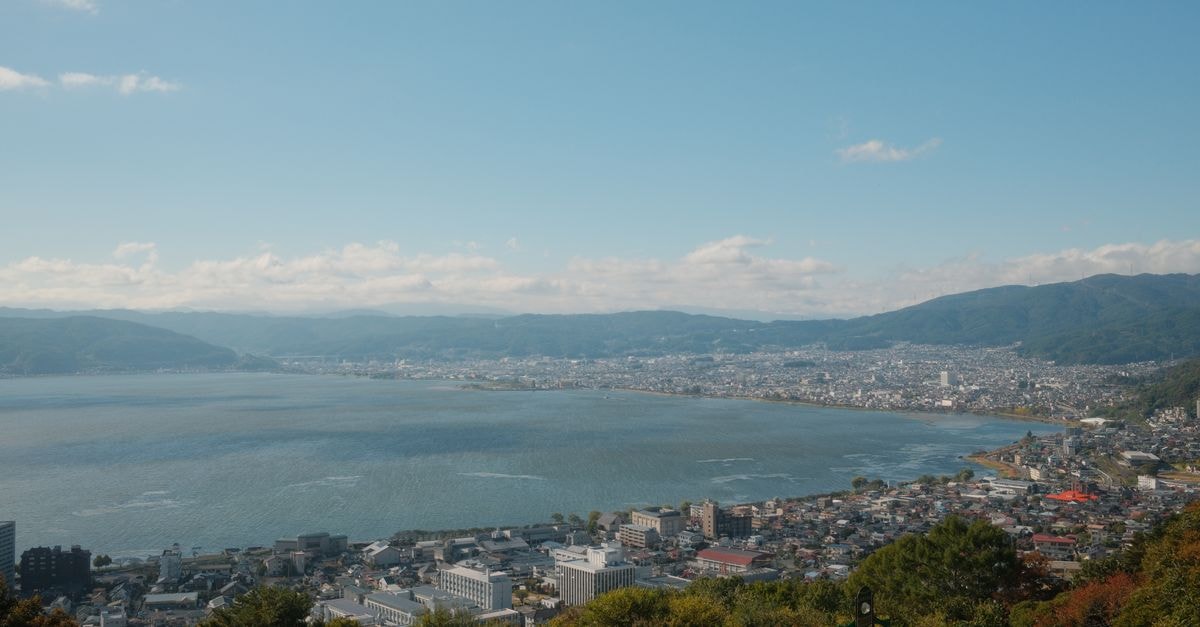
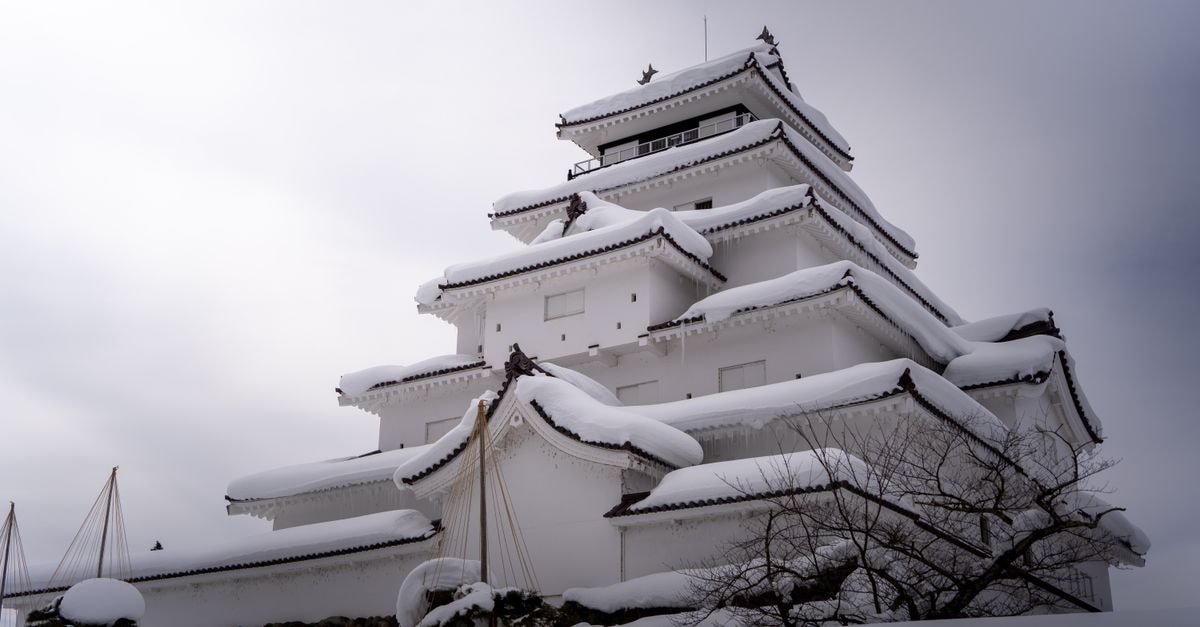
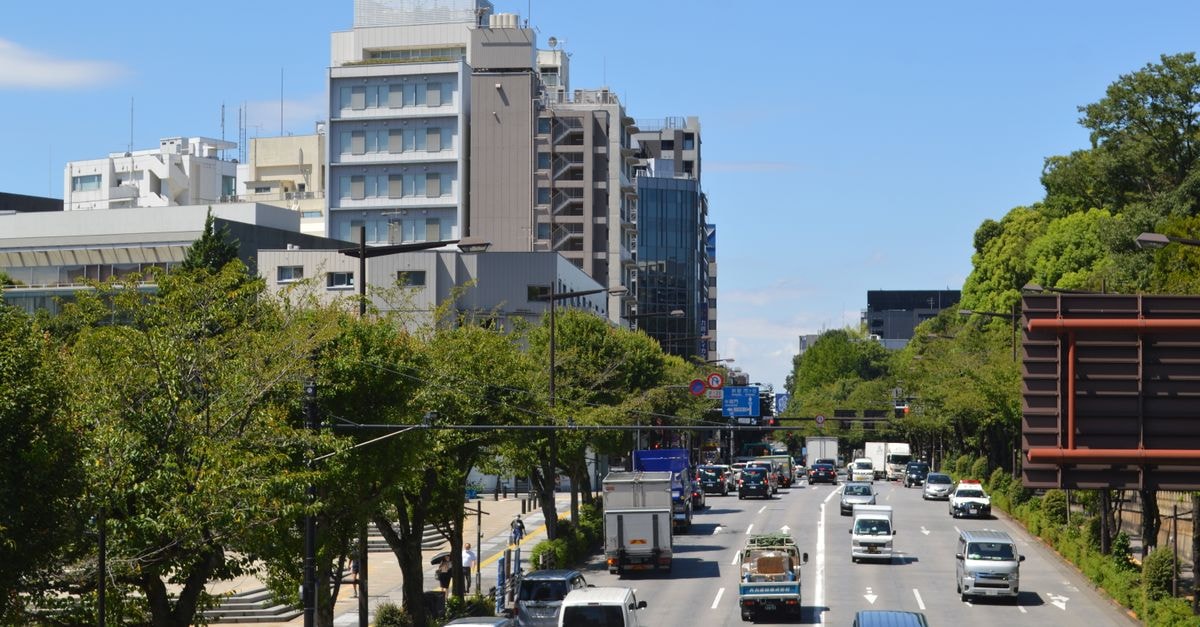
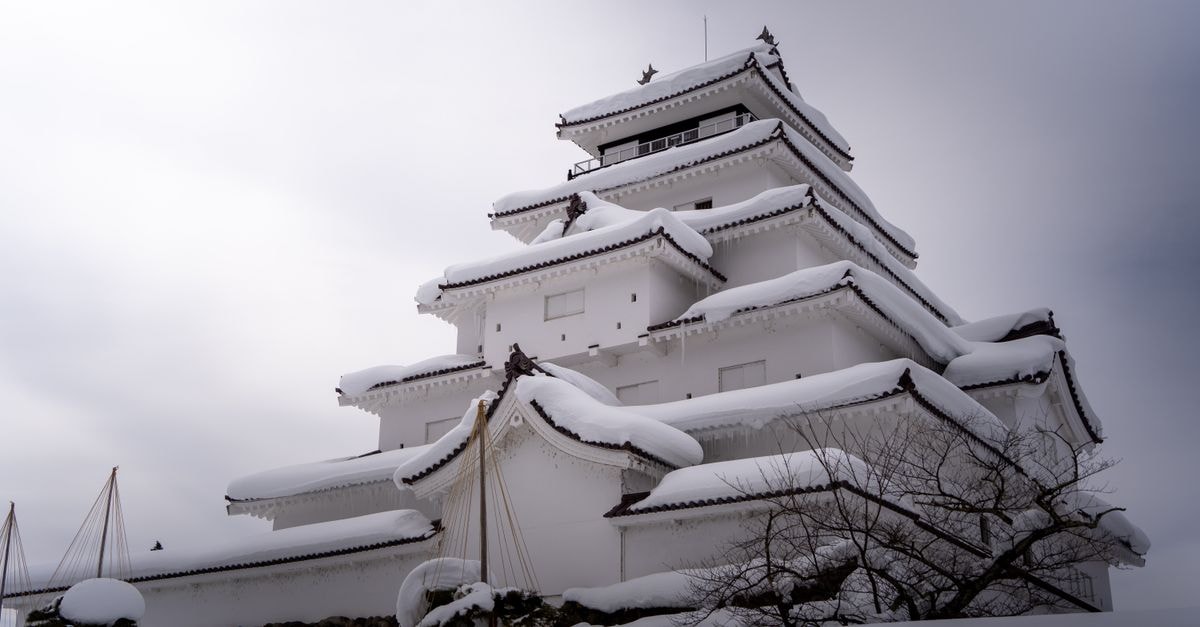
Yamagata Prefecture sits in the Tohoku region of northern Honshu, facing the Sea of Japan to the west. The prefecture covers about 9,325 square kilometers and is home to roughly 1.05 million people. Its capital, Yamagata City, sits inland at the foot of a mountain range that includes Mount Zao. Mountainous terrain and abundant hot springs define the prefecture's geography, and it is widely identified as part of Japan's heavy-snow belt. Travelers typically use Yamagata City as a base for the region's well-known onsen towns, mountain temples and scenic river valleys.
Sights in and Around the Capital
Several of the prefecture's most-visited landmarks sit within or close to Yamagata City. **Risshaku-ji (Yamadera)** is a mountain temple reached by a long stone stairway climbing the hillside above the town. **Kajo Park** is centered on the ruins of **Yamagata Castle** and includes walking paths through the historic grounds. **Bunshokan**, a former prefectural government office built in red brick, now operates as a heritage site. **Yamagata Museum of Art** and the **Yamagata Prefectural Museum** anchor the city's cultural calendar. The **Kajo Central** complex combines a tourist information center with an observation lobby, and **S-Pal Yamagata**, the shopping center connected directly to Yamagata Station, is a useful landmark in the city center. Smaller stops include the **Yamagata Kyodokan** history museum, the **Mogami Yoshiaki Historical Museum** and the **Yamadera Basho Memorial Hall**, dedicated to the poet Basho.
Beyond the Capital: Onsen Towns and Mountain Sights
The prefecture's signature day-trip destinations lie further afield but remain within reach of Yamagata City. **Zao Onsen** is a hot spring town at the foot of Mount Zao, paired with the **Zao Onsen Ski Resort**. The Zao range is also famous for its **Frost-Covered Trees of Zao**, a natural phenomenon that draws visitors to the upper slopes via the **Zao Ropeway**. **Ginzan Onsen** is a small hot spring town whose wooden ryokan-lined streets are a signature image of the prefecture. The **Mogami River** is famous for boat cruises through scenic gorges, and the **Dokkonuma Swamp** offers quieter natural scenery. The **Yamagata Hanagasa Matsuri** is a cultural festival associated with the city.
What to Eat in Yamagata
Yamagata has a distinctive regional cuisine that goes well beyond standard Japanese fare. The most famous dish is **imoni**, a taro and meat hot pot traditionally cooked outdoors in large pans. In the Murakami, Mogami and Okitama regions the recipe uses beef simmered in soy sauce; in the Shonai region it uses pork and miso. Annual riverside imoni gatherings are a recurring local tradition.
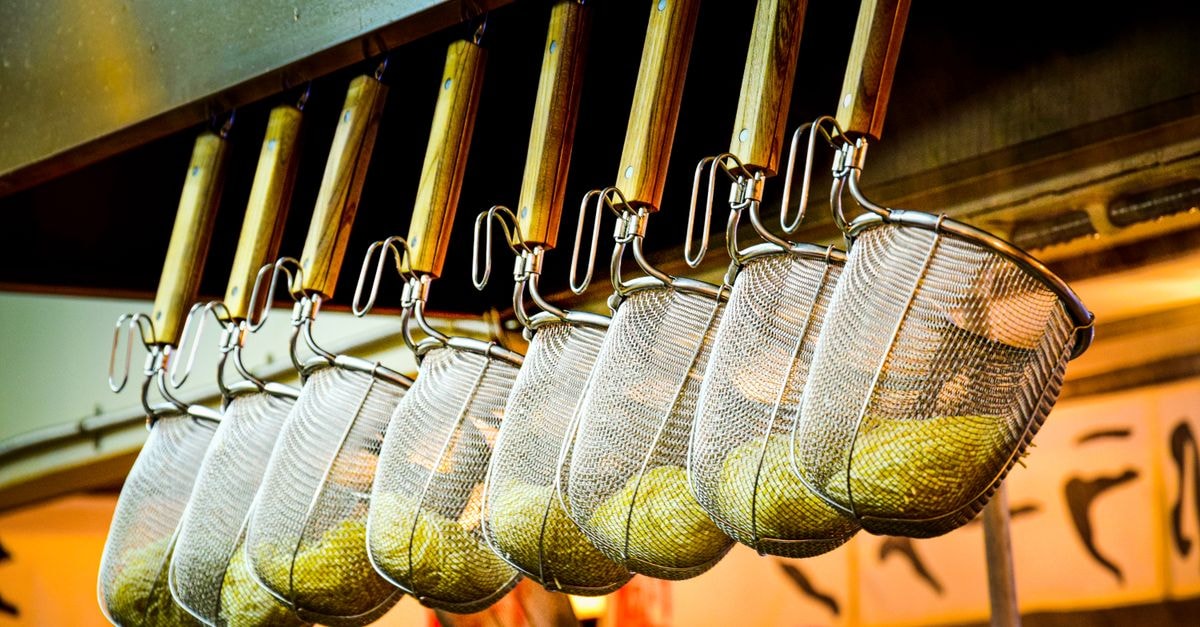
The prefecture is one of Japan's top consumers of ramen, and its local **cold ramen** is a refreshing summer specialty served with chilled broth, with some shops adding ice cubes directly to the bowl. **Soba** in Yamagata is thicker and chewier than typical Shinshu soba, with dark, slightly coarse noodles; the prefecture advertises a "Three Great Soba Road" route linking well-known soba shops. Other local specialties include **konnyaku** dishes, **dried cod soup** (a Shonai-area winter classic), and **Yamagata dashi**, a summer dish from the Murayama region built around soy-based broth and small diced ingredients. **Sake** in Yamagata is brewed from rice varieties such as **Tsuyahime** and **Yukiwakamaru**, and the port city of **Sakata** is associated with a regional pairing of French cuisine with local sake.
Booking Day Tours and Combined Tickets
Online booking platforms bundle Yamagata's dispersed attractions into day and overnight tours that include transport, guide service and admissions. Listed prices and availability change over time, so confirm the latest details directly with the platform before reserving. Representative options in the region include:
- A Sendai-departing day tour combining Ginzan Onsen, the Frost-Covered Trees of Zao and a local lunch, starting from ¥797 per person. - A Sendai-departing day tour combining Zao Fox Village and Ginzan Onsen, starting from ¥708 per person. - A Sendai-departing day tour with two route options pairing Zao Fox Village and Ginzan Onsen with either Zao Okama or Kinjasuisha Shrine and Akiu Falls, starting from ¥928 per person. - A Sendai-departing day tour covering Yamadera, Tendon Roadside Station and Ginzan Onsen, starting from ¥708 per person. - A Tokyo-departing two-day tour with an onsen hotel stay including breakfast and dinner, starting from ¥2,228 per person. - A Tokyo-departing two-day tour covering Ginzan Onsen, Zao Ropeway, Zao Fox Village and Ouchi-juku, starting from ¥1,476 per person.
Most of these tours offer Chinese-language guides and free cancellation, and several allow instant confirmation or include hotel pickup. Conditions vary by operator, so check the cancellation window, pickup details and inclusions at the time of booking.
Where to Stay
Yamagata City offers a broad mix of modern business hotels and traditional inns. The most atmospheric overnight experiences sit in **Ginzan Onsen** and **Zao Onsen**, where wood-built ryokan line the riverside streets or sit at the foot of the ski slopes. Booking a night at an onsen town often includes a kaiseki dinner and breakfast, which can simplify logistics for travelers who do not want to move luggage between hotels.
Practical Notes
Travel conditions, opening hours, ticket availability and tour schedules change throughout the year. Confirm details directly with the booking platform, the local tourist information center or the official attraction website before traveling. Local listings frequently flag attractions as temporarily closed, so check the current status before planning a specific visit. Exchange rates for the yen fluctuate; treat any conversion shown here as a reference and check the live rate before exchanging currency.
Prices, opening hours, schedules, reservation rules, and local conditions can change; verify them through official channels before departure.
Share this article
TOOLS FOR THIS PLAN
Make the Yamagata plan measurable
Choose a tool only when it answers the next question in your trip. Your values stay in the browser, and each tool offers a route back to this planning context.