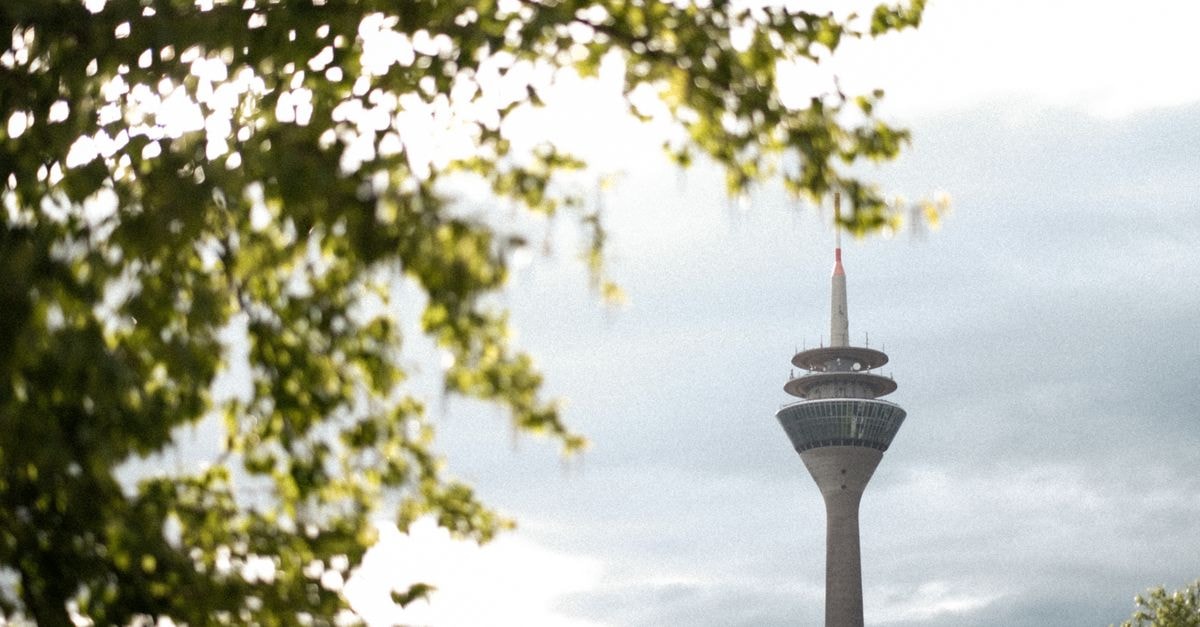
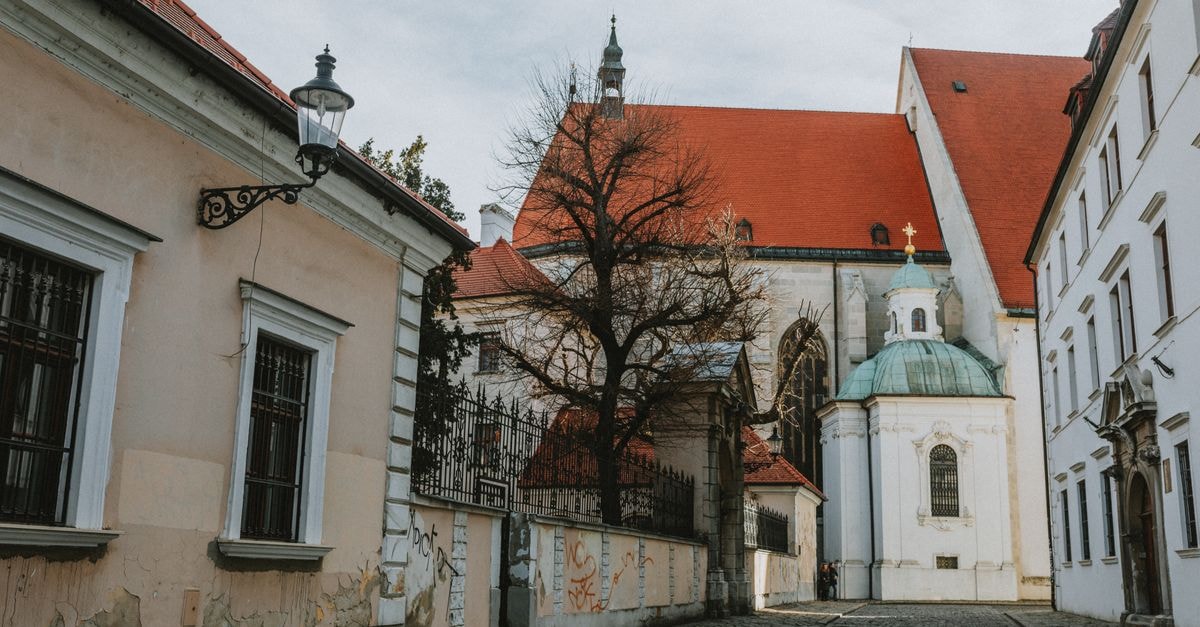
A first impression of Münster

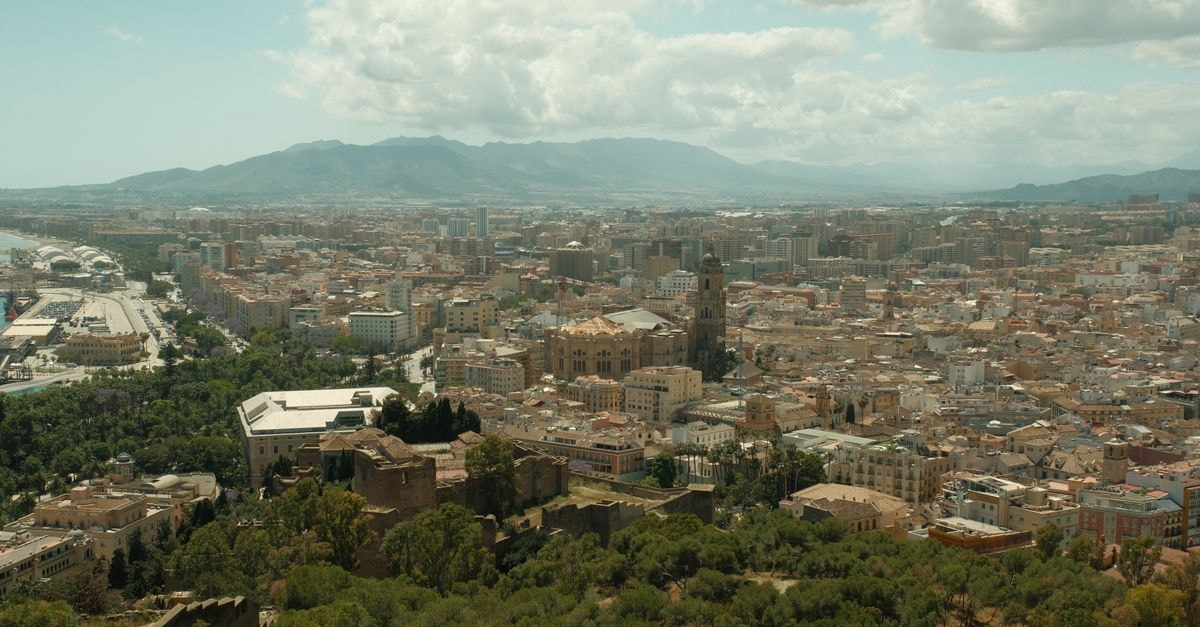
There is a particular kind of German city that does not announce itself loudly. Münster belongs to that quieter family. Step away from the main rail corridor and the city unfolds with a calm sense of scale: historic façades, cobbled squares, the kind of architecture that feels curated by centuries rather than designed for a single season. With a recorded history stretching back more than 1,200 years, the city carries the layered identity of a former bishop's seat, a former Hanseatic League member, and a long-running university town. That triple inheritance shows up in the streetscape almost everywhere you wander: ecclesiastical weight, mercantile confidence, and the gentle bustle of student life woven into one continuous fabric.
For a traveler planning a cultural weekend or a slow-paced few days, Münster offers the kind of setting where the sightseeing does not feel rushed. The compact center rewards unhurried walks, and the rhythm of the place tends to seep in rather than demand attention.
Getting around
Münster is built for visitors who like to arrive by rail. The city's main station functions as the gateway to the wider Münsterland region, with ICE and IC services calling here regularly from across Germany. That single detail shapes a lot of practical planning: a traveler coming from elsewhere in the country can step off a long-distance train and begin exploring on foot almost immediately.
The character of the city center is friendly to pedestrians, and the layout rewards walking rather than driving. The architecture alone is reason enough to slow down: a city that has worn the hats of bishop's seat, Hanseatic League member and university town tends to show that history in stone, brick and gabled rooflines around every corner.
A small historical footnote that adds to the texture: at least one of Münster's museums is housed inside a building that once served as a department store. It is the kind of adaptive reuse story that gives a city center its layered personality, and it hints at how the old mercantile and retail past has been folded into the cultural present.
Weather and seasonal context
Because the rail connections into Münster run reliably throughout the year, the city is genuinely a four-season destination. Summer tends to bring longer daylight and the kind of gentle warmth that suits wandering through open squares and outdoor cafés, while cooler months lend the historic streets a quieter, more contemplative feel. Visitors who prefer a slower pace often appreciate the shoulder and winter months, when museums and cafés feel especially unhurried.
Because conditions can shift from week to week, the most useful approach is to treat the climate as context rather than a fixed plan. Layered clothing is a sensible default, light rain protection is worth packing in any season, and comfortable walking shoes matter more than any single weather accessory.
Attractions and planning
That museum density has a knock-on effect on how a day in Münster can be planned. Rather than trying to fit in every collection, it often pays to pick two or three that genuinely interest you, leave generous time between them, and let the walk between buildings become part of the experience. Many of the institutions sit close enough together that moving between them is a pleasure rather than a chore.
The city also hosts a wider civic festival culture. Münster's city festival, known locally as "Münster Mittendrin," has been integrated into a larger regional celebration, with family programming as part of the offering. For visitors whose timing happens to overlap with such an event, the center fills with a festive energy that pairs naturally with daytime museum visits and evening strolls.
Planning with the rail network
Because the main station serves as the regional hub for Münsterland, a traveler using Münster as a base can treat long-distance connections as part of the rhythm of the trip. An early morning arrival, a full day of museums and squares, and an evening departure is a comfortable shape for a short visit, and the regular ICE and IC stops make that pattern easy to assemble from almost anywhere in Germany.
For travelers who like a more relaxed pace, Münster also works well as an overnight stop, particularly for those tracing a longer route through North Rhine-Westphalia. The combination of a walkable historic core and a well-connected station means that travel time does not eat into sightseeing time.
A note on food and culture
Like much of Germany, the wider region around Münster treats mealtimes as a relaxed social ritual. Visitors may encounter hearty regional fare and the kind of unhurried café culture that pairs naturally with a day spent in museums and on foot. It is the sort of place where a long lunch, an afternoon museum visit, and an early dinner feel entirely natural rather than overplanned.
Final thoughts
Münster does not try to overwhelm. It is a city whose 1,200-year story reads best when you slow down enough to notice it: the layered architecture, the dense museum landscape, the easy rail access, and the way the university-town energy keeps the streets feeling alive without ever feeling rushed. For travelers who want a German city break with cultural depth and a gentle pace, Münster rewards the unhurried visitor.
A quick verification note: practical travel details such as train schedules, museum opening hours, and any festival programming can change, so it is always worth confirming the latest information through official channels before departure.
Quick reference at a glance
- **Identity:** A historic city with more than 1,200 years of recorded history, once a bishop's seat, a Hanseatic League member and a university town. - **Arrival:** Main station is the regional hub, with ICE and IC trains stopping regularly from across Germany. - **Culture:** A dense museum landscape spanning many eras and genres, supported by a working committee that has produced a visitor tour guide. - **Atmosphere:** Walkable historic center with layered architecture and a relaxed university-town rhythm. - **Note:** Factual travel conditions can change, so official channels should be checked before departure.
Share this article
TOOLS FOR THIS PLAN
Make the Münster plan measurable
Choose a tool only when it answers the next question in your trip. Your values stay in the browser, and each tool offers a route back to this planning context.