An Invitation to Najaf

Najaf sits in south-central Iraq as one of the country's most revered spiritual centers and a city shaped by centuries of pilgrimage, scholarship, and quiet rhythm. For travelers drawn to places where history presses close to daily life, the city offers a different kind of discovery, less about sightseeing checklists and more about paying attention: to old mosque courtyards, to museum walls that hold stories you may not yet know, and to the unhurried pace that pilgrimage cities tend to encourage.
This guide keeps the focus on the practical: how to arrive and move through the city, what landmarks draw visitors here, and how food fits into a visit shaped by Islamic dietary traditions. If you are curious, respectful, and content to plan lightly, Najaf has a way of rewarding that patience.
Getting Around
Getting from Al Najaf International Airport into the city is straightforward, since the airport lists taxis among its available services (F2-1). That gives independent travelers a single, simple option for the first and last leg of the trip without having to negotiate complicated onward arrangements after a long flight.
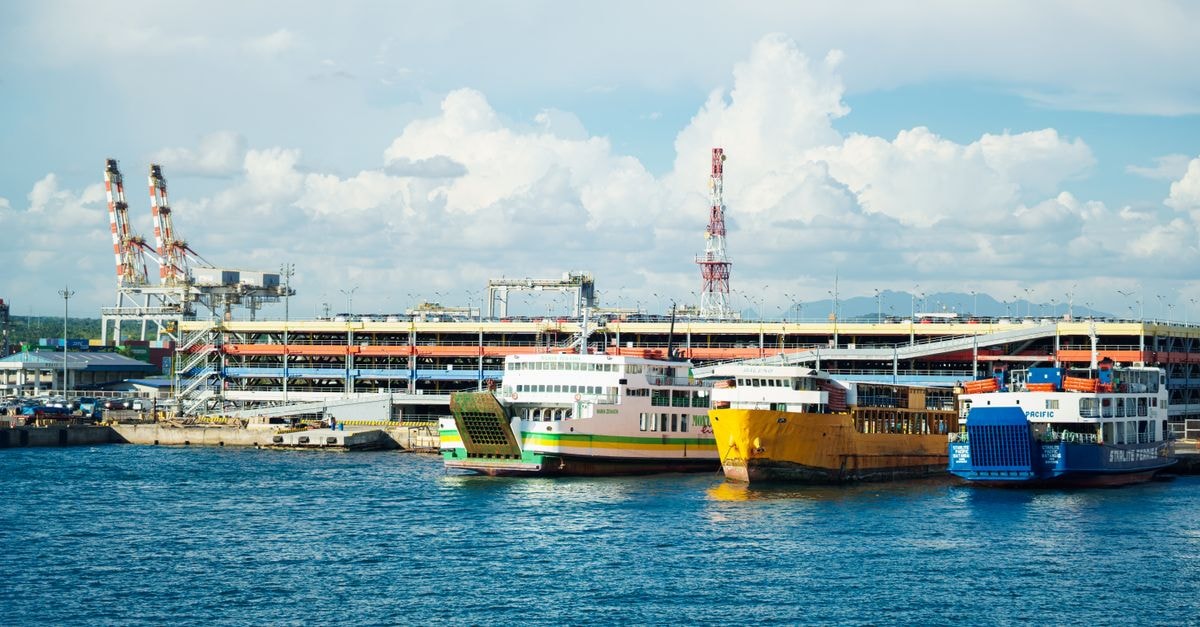
One thing worth knowing up front, especially for visitors who have traveled in cities defined by their waterfronts, is that water transport simply does not apply here (F2-2). Boat taxis and ferry-style connections are not part of how Najaf moves. Once you are on the ground, the practical implication is simple: your itinerary should plan around road-based transport, and any mental image of a harbor-side arrival should be set aside. Travelers who specifically enjoy river or coastal routes as part of a trip may find Najaf's rhythm less familiar, since the city's movement is tied to streets and roads rather than to water.
Attractions and Planning
Najaf's attractions lean heavily into layered history, and a few anchor points keep coming up across visitor guides.
Al-Mukhtar Museum is dedicated to the historical figure Al-Mukhtar Al-Thaqafi, who led a rebellion against the Umayyad Caliphate, and is described as a cultural treasure trove in Najaf (F3-1). If you enjoy places where a single figure or moment shaped a wider era, a museum like this can give shape to a period of Islamic history that often feels abstract from the outside. Plan a generous window here; museums of this kind tend to reward unhurried reading of the panels rather than a quick walk-through.
A separate stop focuses on visual culture rather than political history. The gallery offers insights into the evolving art scene in Iraq and allows you to witness firsthand the talent and expression fostered in this historical city (F3-2). This may suit travelers who want a contemporary counterpoint to the older historical layers, especially those who appreciate seeing a city through the eyes of its current artists rather than only its monuments.
Beyond the city center, several larger landmarks shape the wider Najaf experience. Al Sahlah Mosque is listed among historic sites in the area, while the Great Mosque of Kufa is described as a historically and religiously significant mosque located in Kufa, Najaf (F4-1). Visitors interested in early Islamic history and architecture often find sites like these the heart of a Najaf trip, so it makes sense to build a generous amount of flexibility into the schedule around them. Also nearby in the wider Najaf setting is the Najaf Sea (Bahr al-Najaf), referenced alongside the area's historical landmarks, and the House of Imam Ali, located in the city of Najaf near the famous Imam Ali Shrine (F4-2). The proximity of the House of Imam Ali to the shrine is one detail worth keeping in mind; visitors planning to see the shrine may want to treat both as related stops rather than separate excursions.
Food and Local Context
Eating in Najaf is shaped, above all, by the city's religious identity. Given that Najaf itself is one of the holiest cities in Iraq for Shi'a Muslims, the food culture is deeply influenced by Islamic dietary laws and traditions (F5-1). For visitors, this translates into a few practical realities: halal availability is the baseline rather than something special to look for, pork and alcohol are generally off the menu in most local settings, and finding a meal that respects these norms tends to be the easy part of dining here rather than a daily negotiation.
For travelers who like a setting with a view to punctuate a day of visits, one option that appears in local dining coverage is the rooftop terrace at Al-Najaf Palace Hotel, which sources describe as serving international and Iraqi dishes with a view of the shrine (F6-2). Travelers who want to confirm the terrace is currently operating should check with the hotel directly before planning around it, since sources only establish the venue's general description rather than day-of operations. The setting may appeal to visitors who want a more relaxed dinner rather than a busy street-side meal, especially after long hours spent walking through mosque complexes and museums, and it offers a chance to sample Iraqi dishes alongside more familiar international options, which can be useful for travelers easing into a new cuisine.
Picking What Fits Your Trip
A few tradeoffs are worth weighing before settling on how to spend your time. If you are drawn to pilgrimage-era architecture and the spiritual core of the city, give the mosques and shrines the bulk of your schedule rather than trying to cram every museum in alongside them. If your interest runs more toward contemporary culture and political history, the museum and gallery pair offers a coherent half-day arc, leaving the rest of your visit open. Travelers who prefer a relaxed evening close to the shrine may find the hotel rooftop appealing if it proves to be operating during their stay, while those who want a fuller sense of street-level food culture can plan around local Iraqi menus elsewhere in the city. None of this requires a fixed stay length; the city adapts easily to both short focused visits and longer, more reflective stays.
Final Note
Practical details in any city evolve, and Najaf is no exception. Before you go, confirm current transport availability, museum access, and any guidelines near the shrines with official channels, since conditions on the ground can shift. Treat this guide as a starting frame: the kind of patient, attentive trip that suits Najaf best is also the kind that begins with a little preparation back home.
Share this article
TOOLS FOR THIS PLAN
Make the Najaf plan measurable
Choose a tool only when it answers the next question in your trip. Your values stay in the browser, and each tool offers a route back to this planning context.