Destination Overview

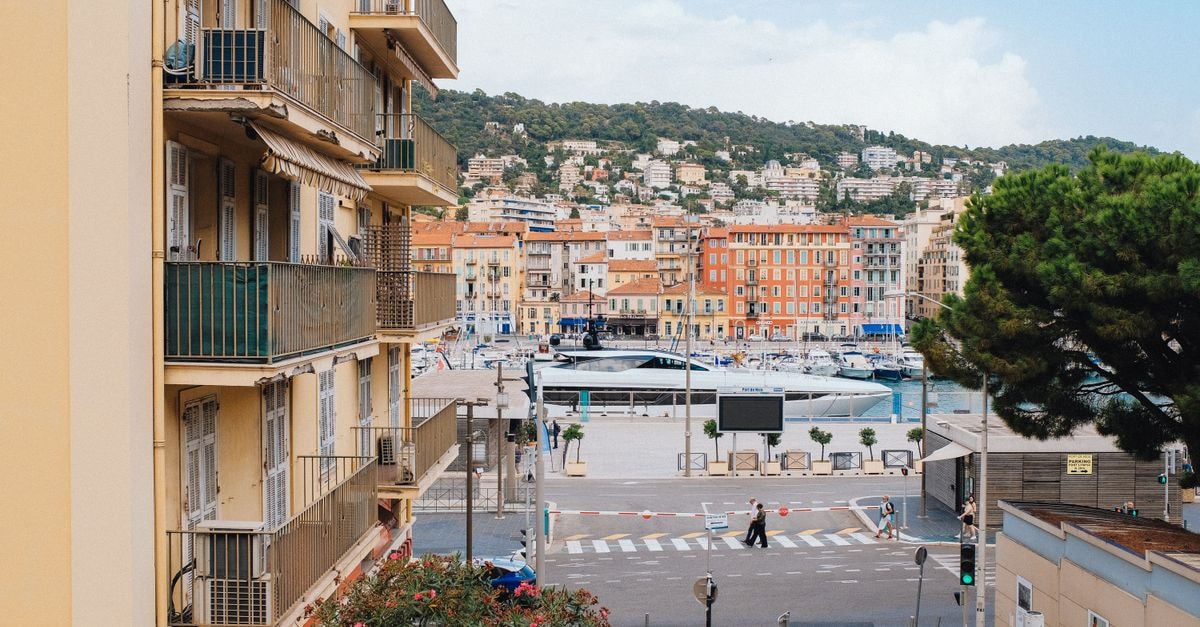
Nice is the unofficial capital of the French Riviera, a compact Mediterranean city that works as both a beach resort and a rail hub for the Côte d'Azur. The city sits on the Baie des Anges with seven kilometres of coastline, while the inland hills carry historic neighbourhoods like Cimiez. About 350,000 people live in the commune and close to a million across the metropolitan area, yet the central walking radius stays compact enough to cover Vieux Nice, the Promenade des Anglais and the Carré d'Or in a couple of days. Nice was part of the House of Savoy and the Kingdom of Sardinia until 1860, and that Italian-Ligurian inheritance still shapes the food, the ochre façades of the Old Town and the local dialect (Nissart). In 2021, UNESCO inscribed "Nice, Winter Resort Town of the Riviera" on the World Heritage List. With more than 300 days of sunshine a year on average, summer is the high-stakes season when beaches, terraces and festivals all peak at once.
July weather and what to expect
July is Nice's hottest and driest month and the absolute peak of the tourist season. Daytime highs commonly sit in the high 20s to low 30s Celsius (about 28–32°C / mid-to-high 80s°F), with evening lows around 18°C and almost no rain expected. The sun shines roughly 15 hours a day, with sunrise near 06:00 and sunset past 21:00, which gives long evenings for walking and outdoor dining. The Mediterranean warms to an average of about 22°C, making it comfortable for swimming once you get past the pebbles.
The midday sun is intense even when humidity stays low, so plan outdoor sightseeing before 10:00 or after the hottest hours. The sea breeze helps along the Baie des Anges but does not reach inland neighbourhoods like Cimiez. Pack breathable linens, a hat, sunscreen and a refillable water bottle, and prioritise air conditioning in any accommodation you book. Water shoes are also useful at the main city beaches, which are pebble rather than sand.
Getting there and moving around
Nice Côte d'Azur Airport sits about 7 km west of the city centre and is one of France's busiest airports. The simplest onward transfer is the Ligne d'Azur tram. Tram Line 2 connects both airport terminals directly to the centre in roughly 25–26 minutes; a single tram ticket costs about €1.50–€1.70. A taxi from the airport to the centre typically runs much higher, so the tram is the obvious choice for anyone travelling light.
Once in Nice, walking does most of the work because the centre is compact. Two tram lines fill the gaps. Line 1 runs north–south through the centre and stops at Jean-Médecin, Place Garibaldi and Place Masséna. Line 2 runs east–west from the port and the airport via a new underground section. A 10-ride pass costs about €15 and never expires, which is the practical option for multi-day stays. Lignes d'Azur now offers tap-to-pay on every tram and bus reader, with a single at €1.50 and a day pass at €5.
For day trips along the Riviera, the TER coastal railway out of Nice-Ville station is the right tool. Monaco, Antibes, Cannes, Menton and the perched villages of Èze and Villefranche are all reachable in under an hour for the price of a few euros. Paris-bound travellers can take a TGV Inoui from Nice-Ville; the direct journey runs around 5h45, with prices varying by booking window.
July events and things to do
July in Nice is stacked with cultural events, and 2026 is no exception.
**Bastille Day, 14 July.** France's national holiday is taken seriously on the Riviera. Expect patriotic energy through the day and a headline fireworks display over the bay after dark. Some attractions and shops may close or change hours, so plan restaurant reservations and check ahead.
**Nice Jazz Fest'Off, 18–26 July 2026.** A nine-day open-air prelude to the main festival, with travelling cabaret acts, brass bands, jazz combos and street performers in emblematic squares including the Palais de Justice, Place Masséna, Cours Saleya and Place Garibaldi. The 2026 edition opened with the Jacquard Brothers on 18 July and closed with a Nice Music Lab Launchpad night with SACEM.
**Nice Jazz Festival, 23–25 July 2026.** The main event, programmed across Place Masséna and the Théâtre de Verdure. The 2026 line-up included Sting, Busta Rhymes, Cymande, Nubiyan Twist, Durand Bernarr, The James Carter Quintet, Mario Canonge Trio, Naïka, Kassa Overall and Biréli Lagrène, among others. Multiple evenings were listed as already sold out ("Complet") on the official city site ahead of the event.
**Other live music options.** The Nuits Guitares festival runs in the Jardin de l'Olivaie in Beaulieu-sur-Mer, the Nuits du Sud festival brings six nights of open-air music in Nice, and Jazz au Château lights up the Place du Château in Cagnes-sur-Mer on Friday evenings. Classical music fans can also catch Nice Classic Live, which runs through July and into August.
**Trails and sport.** The Ultra-Trail Côte d'Azur Mercantour launches the trail running season with a 150 km race through the mountains behind the Riviera.
**Beaches.** Nice has around 7 km of coastline with both public and private beaches. The main city beaches are pebbles rather than sand, so water shoes help. For a quieter swim, arrive before 09:00 or 10:00 when the water is calmer and the beach is less crowded. Private beach clubs like Castel Plage and Opéra Plage are fully operational in July and offer lounger rental, full-service dining and a Riviera atmosphere.
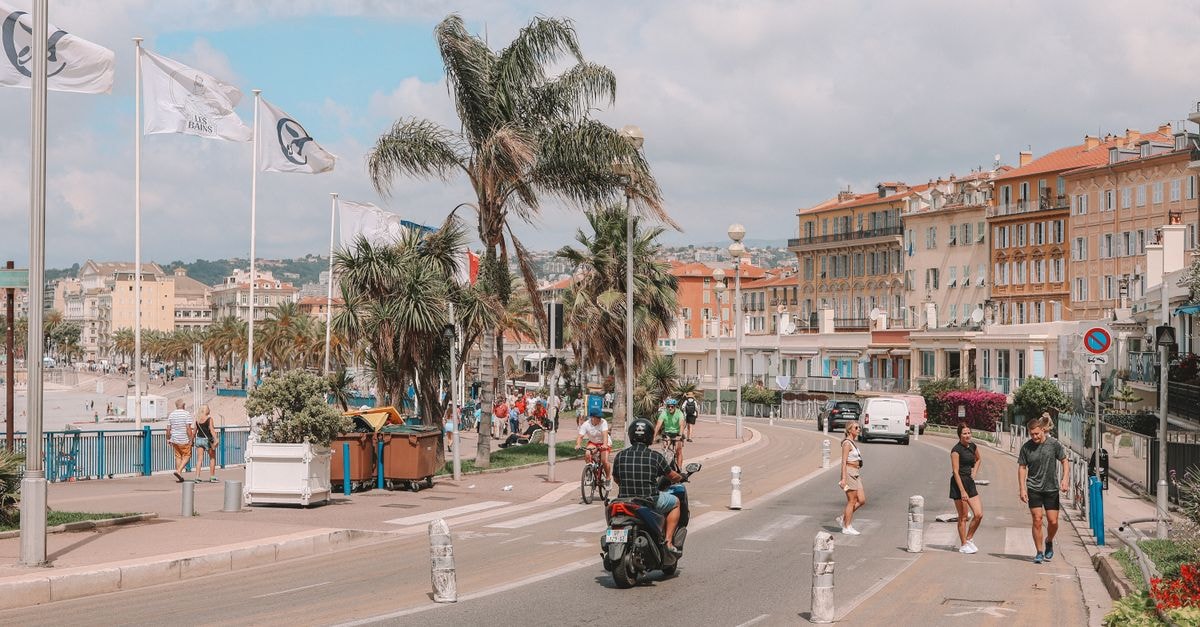
**Classic sightseeing.** Walk the Promenade des Anglais at sunrise or sunset, wander the narrow lanes of Vieux Nice, climb the Colline du Château for panoramic bay views, and head inland to the Matisse Museum and the Marc Chagall Museum in Cimiez. The Promenade du Paillon, the green corridor that links the Old Town to the modern centre, is fully open and useful as a midday break.
Where to stay and booking pressure
July and August are Nice's high season, so centrally located apartments, properties with air conditioning, and anything with sea views or outdoor space tends to disappear early. Booking ahead is the difference between a good location and a noisy compromise. Several distinct bases make sense depending on your trip style:
- **Carré d'Or / Place Masséna area:** The easiest first-time stay, with beach, dining and central walking all on the doorstep. Request a quieter room if sleep matters. - **Vieux Nice edge:** Maximum atmosphere and short walks to the Cours Saleya market and the beach. Recent mid-range pricing has run roughly €110–180 per night for a three-star and €200–320 for a four-star. The deep Old Town can be noisy and awkward with luggage. - **Near Nice-Ville station:** Practical if you plan day trips to Monaco, Antibes or Cannes, less romantic than the seafront. - **Promenade des Anglais or one street back:** Fastest sea access and easy sunset walks. Sea-facing rooms can be loud and pricier.
Air conditioning is one of the most useful features to confirm before you book, since summer nights stay warm well after dark.
Eating like a Niçois
Niçoise cuisine is a rustic collision of French and Italian influences built on olive oil rather than butter, on local vegetables like blettes, round courgettes, févettes and basil, and on simple wood-fired techniques. Niçoise culinary practices were inscribed on France's Intangible Cultural Heritage inventory in 2019, and a "Cuisine Nissarde" label marks restaurants that follow traditional recipes.
The signature dish to try first is socca, a thin, crispy chickpea-flour pancake baked in a wood-fired oven and eaten hot. A socca slice at Chez Pipo on the edge of Vieux Nice is around €3.50, which makes it one of the best-value meals in the city. Other essentials on any Niçois checklist:
- **Pissaladière:** A thick caramelised-onion tart topped with anchovies and black Niçoise olives, sometimes described as the precursor of modern pizza. - **Pan bagnat:** A round bread roll soaked in olive oil and filled with tomatoes, tuna, anchovies, olives and basil, sold by the slice at market stalls. - **Salade niçoise:** The local version (tomatoes, hard-boiled eggs, févettes or green beans, olives, anchovies, tuna) is very different from the international lettuce-and-canned-tuna version. - **Petits farcis:** Small stuffed vegetables (courgettes, tomatoes, peppers, aubergines) filled with seasoned meat and herbs. - **Soupe au pistou and daube:** Hot dishes that lean toward the cooler months but turn up on menus year-round.
Cours Saleya market is the most atmospheric place to graze and assemble a beach picnic. Be cautious with restaurants on Cours Saleya that push English menus after sunset — the same tables can cost noticeably more at dinner than at lunch. Pair everything with a chilled glass of local Provence rosé or a Bellet wine from the vineyards just inland.
Safety and practical tips
Nice is one of the safer mid-sized French cities for visitors, but the realistic concerns are pickpocketing on the Promenade des Anglais, in Vieux Nice and on Tram Line 2, plus opportunistic theft on the pebble beaches. The post-2016 security infrastructure — anti-vehicle bollards along the Promenade, visible Sentinelle patrols and heavy CCTV — is now permanent and visually integrated into the seafront.
Common-sense precautions go a long way: keep your phone and wallet in a zipped or front pocket on the tram and around Place Masséna; leave valuables in your hotel safe rather than on the beach; be wary of "free" ice cream or perfume promoters in the Old Town; and book any scooter or e-bike rental through a reputable shop if you're new to Riviera traffic. After dark, the Promenade and the streets around Place Masséna stay lively and feel safe; back streets in the deep Old Town can feel quieter than expected.
Costs, tickets and booking advice
July is high season, so hotel and apartment rates in the centre are at their peak and flights from European hubs need booking well in advance. A realistic mid-range budget for three days in Nice, excluding long-distance transport, lands roughly in the €340–580 per person range. Sample in-city prices: a tram single around €1.50–€1.70, a 10-ride pass around €15, a day pass €5, a socca slice around €3.50, a glass of rosé on Cours Saleya €5–7 and a casual seafood lunch €25–35.
Tickets and reservations that matter in July 2026:
- **Nice Jazz Festival evenings (23–25 July):** Multiple nights were listed as "Complet" before the event opened. Treat the official nice.fr programme as the live source and book as soon as your dates are fixed. - **Bastille Day dining (14 July):** Reserve restaurants a week or more ahead, especially on the seafront and in Vieux Nice. - **Popular beach clubs:** Lounger rental at Castel Plage and similar venues fills quickly in late morning; arrive early or reserve. - **TGV and TER trains:** For day trips along the Riviera, book TGVs in advance for cheaper fares; TER regional trains are usually fine bought the same day.
Currency is the euro (€). The prices above are intended as planning references only; live exchange rates against your home currency may shift and should be checked before you pay. Factual conditions — event line-ups, opening times, transport fares and security alerts — can change between publication and your actual trip, so confirm the latest details on the official Nice tourism site and the Ligne d'Azur network before departure.
Prices, opening hours, schedules, reservation rules, and local conditions can change; verify them through official channels before departure.
Share this article
TOOLS FOR THIS PLAN
Make the Nice plan measurable
Choose a tool only when it answers the next question in your trip. Your values stay in the browser, and each tool offers a route back to this planning context.