A first morning in Nice

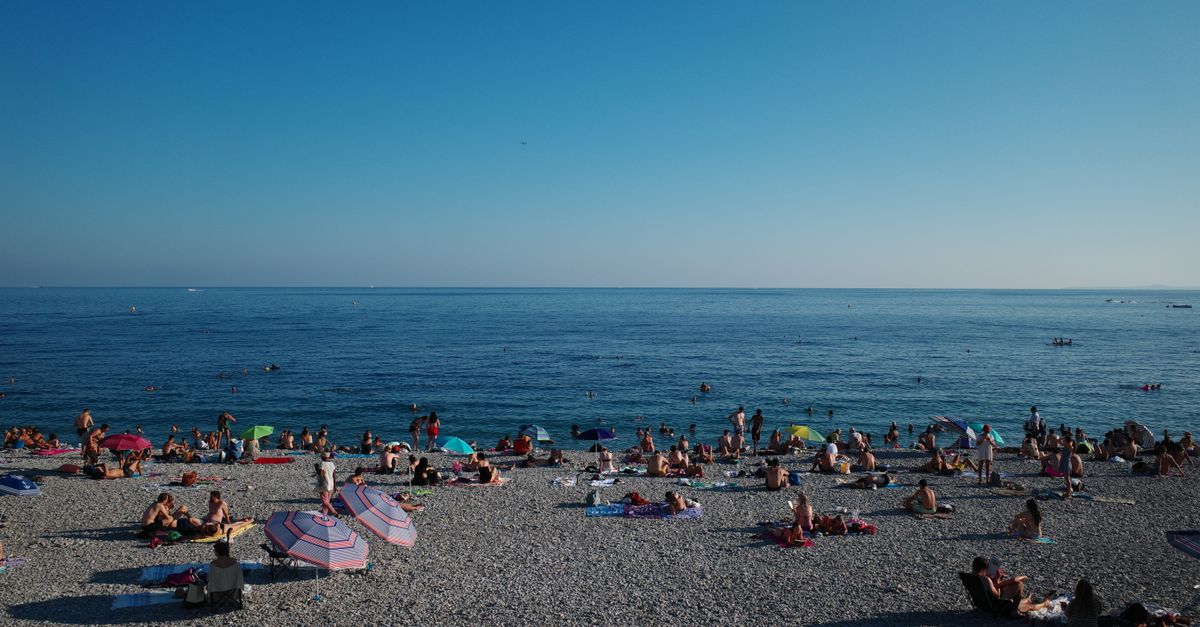
Nice has that particular coastal feeling that travellers tend to fall for on the very first walk: a wide sunlit curve of seafront, pastel old-town facades, and the easy sense that nothing has to happen in a rush. For visitors planning a short break by the Mediterranean, the city rewards a slow rhythm, one or two anchors a day, a café pause between them, and the tram or a stroll for everything else. This guide keeps things simple: how to move around, what to give time to, and where food and local life naturally surface as part of the day.
Getting around
Nice is the kind of city where you do not really need a car, and most first-time visitors find their bearings faster once they stop trying to use one. The local tram is the backbone of getting around, and the network is described as straightforward for newcomers, which means the learning curve is more about buying the right ticket than about reading a complex map. Stops near the main sights are well signed, and the same lines that locals use for their daily commute are also the ones that connect the seafront, the old town and the hillside neighbourhoods, so a single ride often doubles as a small orientation tour.
Bus routes fill in everywhere the tram does not reach, and the official mobile application is the simplest place to check routes to the major Nice tourist attractions, alongside the printed information at main stops. For practical planning, that means a short look at the app before heading out usually tells you whether the tram is enough or whether a short bus connection will save a walk back up the hill. Keep in mind that conditions on the ground change, so before relying on any specific timetable or route for a particular excursion, it is worth checking the latest information through the official transport channels.
Attractions and planning
Nice earns its reputation as one of France’s most beloved coastal cities, and a sensible way to plan a visit is to think in clusters rather than ticking boxes. Art lovers tend to anchor themselves in the Cimiez neighbourhood, which is where the Matisse Museum sits, a quiet, light-filled museum that works beautifully as a slow morning before the afternoon heat builds. Seeing the Matisse collection does not have to be a long visit; an unhurried hour there leaves room for a leafy walk through the surrounding gardens and a relaxed lunch nearby, which is a gentler way to experience the area than racing between stops.
Beyond the headline museums, the city invites the kind of wandering where attractions reveal themselves between turns: a shaded square, a baroque church, a viewpoint that opens suddenly above the rooftops. A useful planning habit is to pick one cluster for the morning, then let the afternoon drift along the seafront or through the lanes of Vieux Nice. With that approach, sightseeing feels less like a checklist and more like a series of small discoveries, which is usually the version of Nice that stays with people the longest.
Food and local context
Food in Nice is best approached as part of the walk rather than as a separate activity, and the Cours Saleya market sits right at the heart of that rhythm. Cours Saleya is described as the beating heart of the Old Town of Nice, known as Vieux Nice, and it functions as both a working market and a daily social space. Flowers, produce and regional stalls make it a natural place to graze your way through a morning, and the streets immediately around it are lined with small bakeries and casual counters that fold straight into a relaxed lunch.
Wider French food culture is something visitors are likely to bump into almost by accident in Nice: a long, lingering lunch service, markets that close for a quiet midday break, and the general expectation that dinner happens later rather than sooner. Letting the day bend around those rhythms, rather than fighting them, is usually what makes a Nice trip feel restorative rather than rushed. For anything specific, from a particular stall’s opening day to the exact menu of a small restaurant, the sensible move is to confirm with the venue itself before making a plan, since hours and offerings can shift with the season.
Keeping the pace gentle
A short break here is best treated as a series of slow mornings rather than a packed agenda. Two or three anchors a day, the tram for longer moves and your own feet for the rest, tends to produce a much better sense of the city than trying to cover everything at once. Build in real pauses for coffee, for sitting by the sea, for browsing a market without buying anything in particular. That kind of breathing room is what turns a Nice weekend into a proper holiday rather than a tour.
A quick note on the practical side: this guide focuses on durable city guidance rather than live prices or schedules, and specific details such as current opening hours, ticket prices, tram timetables and service availability can change. Treat any checkable detail as something to verify through official transport, museum and market channels before you set out, so the trip is planned around today’s reality rather than yesterday’s assumptions.
Prices, opening hours, schedules, reservation rules, and local conditions can change; verify them through official channels before departure.
Share this article
TOOLS FOR THIS PLAN
Make the Nice plan measurable
Choose a tool only when it answers the next question in your trip. Your values stay in the browser, and each tool offers a route back to this planning context.