An Overview of Paris in July 2026

July is peak season in Paris, and 2026 packs more than the usual programme. The city shifts into a summer cadence: terraces fill from morning, daylight stretches past 10pm, and three major free events shape the month — Paris Plages opening on the 4th, the Bastille Day celebrations around the 13th and 14th, and the Tour de France finale on the Champs-Élysées on the 26th. Heat is a real factor, with daytime temperatures often climbing well above 25°C (77°F) and the occasional heat wave pushing readings higher. Crowds are at their heaviest in the central arrondissements, and accommodation needs to be locked in early. The trade-off is genuine cultural energy: open-air cinema, free swimming in the Seine, and a city that genuinely feels like it's outdoors.
Weather and What July Demands
July 2026 in Paris is shaping up to be warm and, at times, hot. Daily highs across the month range from roughly 24°C (75°F) at the cooler end to 37°C (98°F) at the hottest, with overnight lows typically between 16°C and 22°C (60–72°F). The forecast shows several days above 32°C (90°F), including a stretch around 11–17 July where highs consistently sit in the mid-30s°C. Rain is rare but possible — the forecast shows most days dry, with a notable thunderstorm flagged on 17 July. Heat waves have become a regular feature of French summers, and the city offers limited public cooling, so shade, fountains, and the new supervised Seine swimming sites are your best options.
The practical takeaways: pack light, breathable fabrics (linen works), but bring a layer for evenings when temperatures drop after sunset. Air conditioning is not standard in older hotels or short-term rentals, so confirm cooling before you book. Plan the heaviest sightseeing for the morning; the long evenings are best spent slowly on a terrace or by the river.
Getting Around: Metro, Airports, and the New Day Pass
The biggest transport change for visitors in 2026 is the disappearance of paper metro tickets. You now need either a Navigo Easy card (€2 at the ticket office or vending machines) loaded with t+ tickets, a phone app, or a Navigo Semaine weekly pass (€30 for zones 1–5). A single ride is €2.55 and a day pass for zones 1–5 is €12.30. A Paris Visite pass only makes sense if you're taking five or more trips a day or need airport access included.
From Charles de Gaulle (CDG), the RER B runs to Gare du Nord in about 45 minutes for €11.80. From Orly, the Orlyval light rail to Antony connects to the RER B, taking roughly 35 minutes total for €12.10. Taxis and ride-shares are available but considerably more expensive, especially during the Bastille Day period when road closures are extensive.
The Métro runs 14 lines across all 20 arrondissements. In July, some stations can feel uncomfortably warm underground — above-ground bus routes are often a more pleasant alternative on mild evenings. Strikes (grèves) can disrupt service with little notice; check the RATP app each morning. For the Tour de France finale on 26 July, expect significant road closures along the Champs-Élysées and the climb up Rue Lepic, as well as major Métro disruption in central Paris.
Major Events and Attractions in July
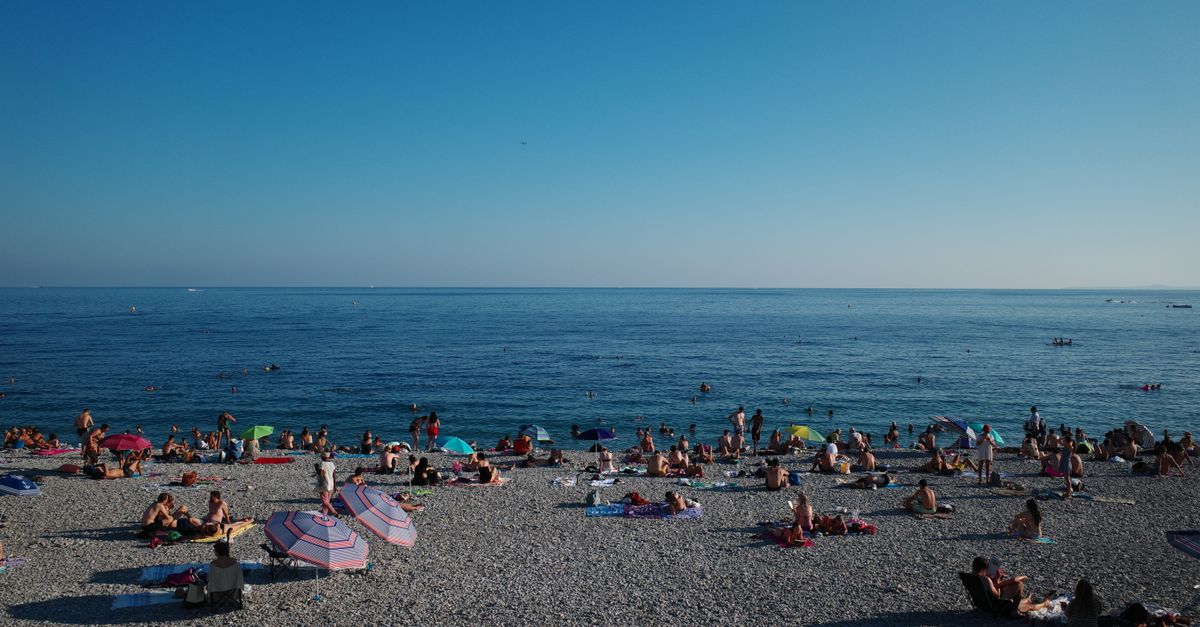
Paris Plages — 4 July to 30 August 2026. The 25th edition of Paris's urban beach programme opens on 4 July, with pop-up beaches along the Seine (Parc Rives de Seine), the Bassin de la Villette, and the Canal Saint-Martin. This year is co-programmed with the U.S. Embassy to mark the 250th anniversary of American independence — expect flag football taster sessions, an NBA Summer House pop-up at the Palais Brongniart (31 July–2 August), and Franco-American exhibitions across the sites. The beaches are free, with deckchairs, parasols, climbing walls, morning tai chi and qigong classes, and pétanque courts. Six free, lifeguard-supervised swimming locations are open this year, including three on the Seine — a surreal but genuinely practical way to cool off. Pick up the Paris Tourist Office map for the swimming spots.
Bastille Day — 13–14 July 2026. Paris has moved the Concert de Paris and Eiffel Tower fireworks to the evening of 13 July, with the military parade staying on the Champs-Élysées on the 14th. The shift is significant: 14 July 2026 is the 10th anniversary of the Nice attack, and the 14th is being kept as a day of remembrance. The 13 July show is scaled up — 1,600 drones paired with fireworks across roughly 120 firing points, structured around twelve pyrotechnic sequences, with the concert at the Champ de Mars from around 9pm and fireworks from 11pm. Important to know: the Eiffel Tower is closed all day on 13 July, and several nearby Métro stations — Trocadéro, Bir-Hakeim, École Militaire — are scheduled to close in the afternoon and evening. The Champ de Mars and Trocadéro are the best free vantage points, but arrive early — gates close at capacity. The Fireman's Balls (Bal des Pompiers) run both nights at fire stations across the city, free to all.
Tour de France finale — 26 July 2026. Stage 21 runs from Thoiry to the Champs-Élysées, 133 km, with three ascents of the cobbled Montmartre climb via Rue Lepic before the finish. This is the second year running for the Montmartre finale, and 2026 places the last ascent roughly 15 km from the finish line, giving climbers a real shot at the stage. Best viewing is Rue Lepic for the climb (expect a good-natured crush) or the Champs-Élysées for the finish. Both need an early claim on space.
Exhibitions. The Grand Palais is hosting a major Matisse retrospective covering his final works from 1941 to 1954, running until 26 July 2026 and one of the most significant exhibitions of the year. The Arab World Institute has a landmark exhibition on the ancient Lebanese city of Byblos running until 23 August 2026. Ballet and opera at the Palais Garnier and Opéra Bastille end in mid-July and resume in early September, so check the schedule before booking.
The Eiffel Tower's nightly light show (every hour after dark, for five minutes) is free to watch from the Champ de Mars or Trocadéro — no ticket needed if you're not climbing. The Louvre and Musée d'Orsay are open as usual, but timed-entry tickets are essential.
Tickets, Reservations, and Booking Risks
Two Paris facts should govern your July bookings: the Eiffel Tower has no left-luggage facility, so plan where you store your bags before you arrive, and the Louvre and Eiffel Tower both require timed-entry tickets that should be booked in advance. Eiffel Tower adult tickets in 2026 range from €14.80 (stairs) to €36.70 (summit by lift), and the official site releases slots up to 60 days ahead. The Louvre is closed on Tuesdays, and the Musée d'Orsay on Mondays. Most major museums and monuments are open all summer, but a smaller set of special exhibitions end in mid- to late July — the Grand Palais's Matisse show is the headline example.
For Bastille Day, museums and many shops are closed on 14 July. Some supermarkets operate at reduced hours.
Where to Stay: Neighbourhoods and July Pressure
Where you sleep in Paris shapes roughly a third of your trip, and July is the most competitive month of the year. Booking two to three months ahead is sensible, and the most popular rooms in the central arrondissements can sell out faster.
Three neighbourhoods work well for first-time visitors:
- Le Marais (3rd/4th) — central, walkable, with an excellent food scene. The downside is noise on weekend nights. - Saint-Germain-des-Prés (6th) — literary cafés, the Luxembourg Gardens nearby, quieter and more polished, generally more expensive. - 9th arrondissement near Opéra — excellent Métro connectivity and better hotel value than the central core.
Montmartre (18th) is atmospheric but a longer commute from the main sights. For July specifically, avoid booking close to the Tour de France route on the 26th without checking road closures — getting out of the area afterwards can be slow.
A practical note: many small family-run restaurants close in August for the traditional Parisian summer holiday. That doesn't affect July directly, but if you're extending into August, check any specific restaurant you have your heart set on.
Costs, Budgets, and Saving Tips
Mid-range daily budgets in Paris in summer typically land around €90–180 per person, excluding accommodation. The biggest controllable expense is transport, where the day pass (€12.30) beats single tickets after four journeys. The Navigo Semaine weekly pass (€30) is good value if you're staying a full week and moving around constantly.
The Eiffel Tower is the single biggest sightseeing hit at €36.70 for the summit, but the cheaper stairs ticket (€14.80) and the free viewing from the Champ de Mars cover most of the experience. Museum passes can pay off if you're hitting two or three major museums a day, but for a short trip, individual timed tickets are usually cheaper and more flexible.
Dining is where Paris quickly gets expensive. The classic bouillons — historic art nouveau canteens with prices a fraction of the better-known restaurants — are the best value option. A three-course meal of escargots, steak au poivre, and baba au rhum can run around €20. Bakeries and supermarkets are your friends for breakfast and picnic supplies; a picnic by the Canal Saint-Martin or along the Seine is one of the best free experiences in the city.
What to Eat in Paris: Brasseries, Bouillons, and Boulangeries
Paris's restaurant scene is unusually structured, and understanding the basic categories helps you eat well at any budget.
Brasseries are all-day restaurants, open seven days a week, with classic French staples — steak frites, beef tartare, croque monsieur, French onion soup, and hearty salads with warm goat cheese. They typically have red awnings, wraparound terraces with rattan chairs, and quick, snappy service. They are reliable, especially in July when some smaller restaurants close.
Bistros are smaller, more intimate, and chef-driven, with menus that evolve with the seasons. Expect traditional French fare — duck confit, coq au vin, blanquette de veau — at lunch (around 12–2pm) and dinner (from about 7:30–11pm).
Bouillons are the best value. These were originally working-class canteens serving affordable meals made from leftover butcher cuts, and they've made a comeback in the past decade. You can recognise them by their grand art nouveau interiors — soaring ceilings, pendant globe lights, mirrored walls, and sharply dressed servers in bow ties. Bouillon Julien and Bouillon Chartier are the historic names. The food is decent rather than destination-calibre, but the price and the atmosphere are unmatched.
Boulangeries and pâtisseries are everywhere and worth treating as a daily habit. A traditional baguette, a multigrain pain de campagne, or a pain aux céréales is the bread standard. Viennoiseries — croissants, pain au chocolat, pain aux raisins, chouquettes — are the breakfast pastries.
For a more historic splurge, the city's centuries-old restaurants — La Tour d'Argent (founded 1580), Le Procope (Paris's first café, in Saint-Germain), Le Grand Véfour (opposite the Palais Royal gardens), and Lapérouse — offer menus anchored in classical French cuisine. Le Procope, for instance, still serves braised beef cheek, coq au vin, and calf's head in a setting layered with literary and revolutionary history.
A Closing Note
Conditions in Paris change. Public transport strike notices, last-minute changes to the Bastille Day programme, museum closures, and accommodation availability can all shift between now and your trip. Check the official sites for the Eiffel Tower, RATP, Paris Tourist Office, and any specific museums or shows you plan to visit before departure.
Prices, opening hours, schedules, reservation rules, and local conditions can change; verify them through official channels before departure.
Share this article
TOOLS FOR THIS PLAN
Make the Paris plan measurable
Choose a tool only when it answers the next question in your trip. Your values stay in the browser, and each tool offers a route back to this planning context.