A riverside industrial city with deep Siberian roots

There is something quietly compelling about a city that wears its working identity openly. Novokuznetsk sits in the south of Kemerovo Oblast, and it does not pretend to be anything other than a major metallurgy and coal center shaped by the Kuzbass basin it helped build. That honesty is part of the appeal for travelers who arrive curious about the industrial heart of Siberia rather than chasing postcard views.
The city traces back to 1617, making it by far the oldest settlement in the region, and over the centuries it has carried more than one name. That layered past gives Novokuznetsk a sense of depth that you do not always expect from a place defined by heavy industry. Set along the Tom River, it offers a straightforward blend of urban energy and a natural riverbank setting that softens the harder edges of its coal-country reputation. For visitors, the mix is part of the discovery.
If you are putting together a Novokuznetsk travel guide, the city rewards travelers who come with realistic expectations and a genuine interest in everyday Russian urban life beyond the capital cities. It is the kind of place where local context, regional history, and a willingness to walk along the river tend to matter more than a checklist of headline attractions.
Weather and seasonal context
Novokuznetsk has a continental feel that comes with being deep in southern Siberia. Summers tend to be the warmest stretch of the year, and general weather summaries describe the season as mildly cool and humid rather than hot, with a chance of rain that visitors should keep in mind even on pleasant days. Travelers used to warmer climates sometimes find the contrast sharper than expected, so layering remains a sensible habit on most outings.
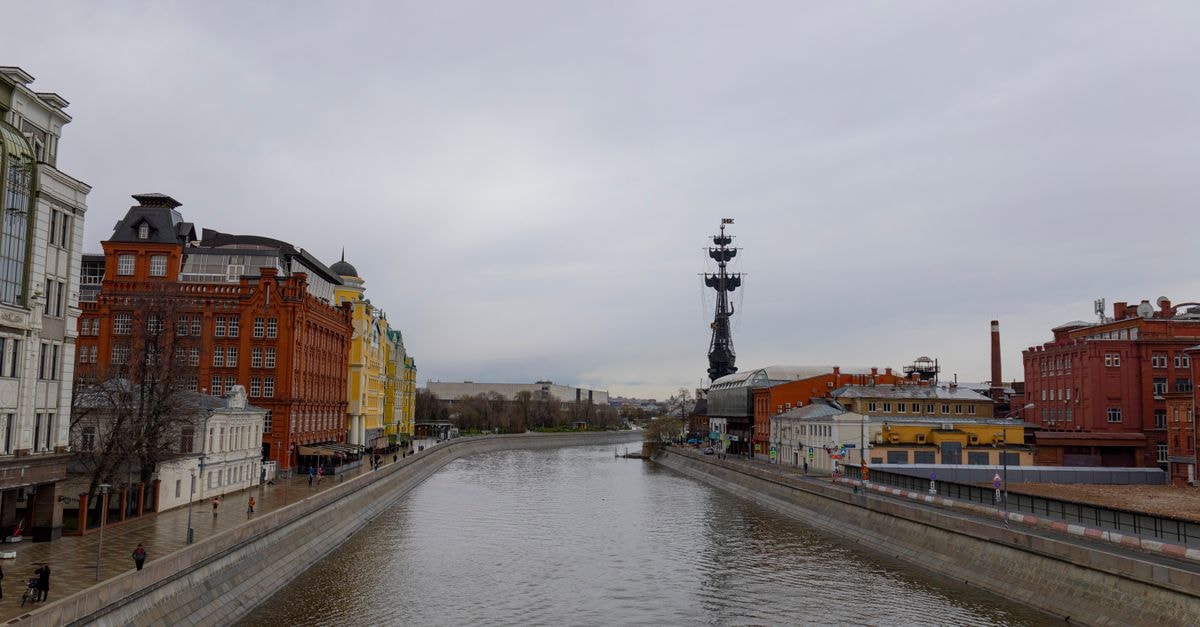
Because the Tom River runs through the city, the riverbank becomes a natural anchor for slower-paced exploration. The waterway ties together urban districts and offers easy access to greener pockets where you can step away from the busy streets. This is where a visitor can get a quick, honest read on the city: watch the river, notice how the light falls on the surrounding hills, and feel the pace shift from industrial center to riverside town.
Mornings can feel brisk, afternoons more relaxed, and evenings cool down quickly again. Rather than packing the day tightly, it often works better to plan one main activity and leave space for unhurried walks. Public climate summaries can give you a long-term sense of what to expect, but actual conditions on any given day can swing either way, so checking a current forecast before you head out is always worth the few minutes it takes.
Getting around
Getting your bearings in Novokuznetsk is simpler than the city's size might suggest. As a long-established regional hub, it follows a fairly traditional Russian urban layout, with a central core, residential districts radiating outward, and the Tom River as a natural reference point. Many of the practical things a visitor wants, from museums to everyday services, cluster within a walkable central area, while the wider city opens up through local transport.
Because Novokuznetsk is a big coal and metallurgy city, expect an atmosphere shaped by industry rather than tourism. That is not a downside; it just means that visitors get a more authentic feel for working Siberia. Signage and basic services are oriented toward residents, so a little patience with maps and a willingness to ask for directions go a long way. Travelers who enjoy slower, more observational travel tend to get the most out of this kind of city.
The river itself is a useful way to orient yourself, especially when you are learning the street grid. Once you know which side of the Tom you are on and how the main bridges connect, navigation becomes much more intuitive. Walking remains the best way to absorb the atmosphere, while local transport fills in the gaps for longer cross-city trips or visits to outlying neighborhoods.
Food and local context
Novokuznetsk is part of Russia, and that national context shapes what you will find on menus and in cafés across the city. Russian food culture has moved well beyond the old stereotypes of gray canteen fare. Traditional cooking leans into rich, hearty flavors built around techniques like rendering pork fat in a cast-iron skillet and baking dense, fermented rye bread that carries a sharp, tangy finish. That kind of depth shows up in everyday meals as much as in any special-occasion dish.
For many Russians, comfort food means pelmeni, the small Siberian meat dumplings that turn up in kitchens and restaurants across the country. In a working city like Novokuznetsk, a steaming plate of pelmeni after a day of walking can feel especially fitting, both for the warmth and for the connection to a dish that has fed Siberian families for generations. It is one of those foods that says more about everyday Russian life than any single menu description could.
For travelers with a more curious palate, Russian caviar is a useful cultural reference point even if you only encounter it in passing. Long considered one of the most expensive foods on earth, caviar carries a story about ecological change and slow recovery through aquaculture, which gives it a layer of meaning beyond price or luxury. You do not need to order it to appreciate the context, but knowing the background adds richness to conversations and to the way you think about Russian food more broadly.
Because Novokuznetsk is a large, working city, you will find a range of places to eat, from simple cafés serving familiar Russian staples to more formal restaurants. Rather than hunting for a specific famous venue, it often pays to step into a busy local spot where residents are eating. That is usually the fastest route to honest, well-made Russian food at fair prices, and it gives you a feel for daily life that a curated list cannot replace.
A practical note for visitors
Novokuznetsk is not the kind of city that hands visitors a tidy itinerary. Instead, it offers a grounded look at southern Siberia through its industrial scale, its river setting, and its long history dating back to 1617. Travelers who arrive curious, dress for changeable weather, and give themselves time to wander the riverbanks and central streets tend to leave with a much richer impression than those who rush through.
Keep in mind that prices, menus, opening hours, and transport details can shift over time, so it is always wise to confirm current conditions through official channels or local contacts before you travel. Factual details in any guide, including this one, reflect a snapshot of what is generally true rather than a guarantee for the day of your visit. A little preparation goes a long way toward making the trip smooth, safe, and rewarding.
Share this article
TOOLS FOR THIS PLAN
Make the Novokuznetsk plan measurable
Choose a tool only when it answers the next question in your trip. Your values stay in the browser, and each tool offers a route back to this planning context.