A first look at Kemerovo

Kemerovo sits in Western Siberia as the capital of Kemerovo Oblast, a region often referred to as Kuzbass. Pronounced roughly as "KYEHM-eer-uh-vuh" in Russian, the city has a working, industrial character that feels far removed from the polished tourist trail of Moscow or St. Petersburg. Travelers who make it here tend to arrive with a specific curiosity: the forests of Siberia, the Tom River, mining heritage, and the heavy-industry landscape that defines the wider region.
What strikes many first-time visitors is the pace. The surrounding Kemerovo Oblast countryside moves slowly, and that relaxed rhythm tends to spill into the city itself. It is the kind of place where you settle in, walk at your own tempo, and let the Siberian atmosphere wash over you rather than rushing between marquee attractions.
Weather and seasonal context
The ledger does not include direct temperature or current-condition data for Kemerovo, so this guide treats the climate as background rather than as a hard rulebook. What the approved material does confirm is the broader character of the region: the wider Kemerovo area is described as offering an authentic Siberian countryside experience, and the city itself sits firmly within that setting.
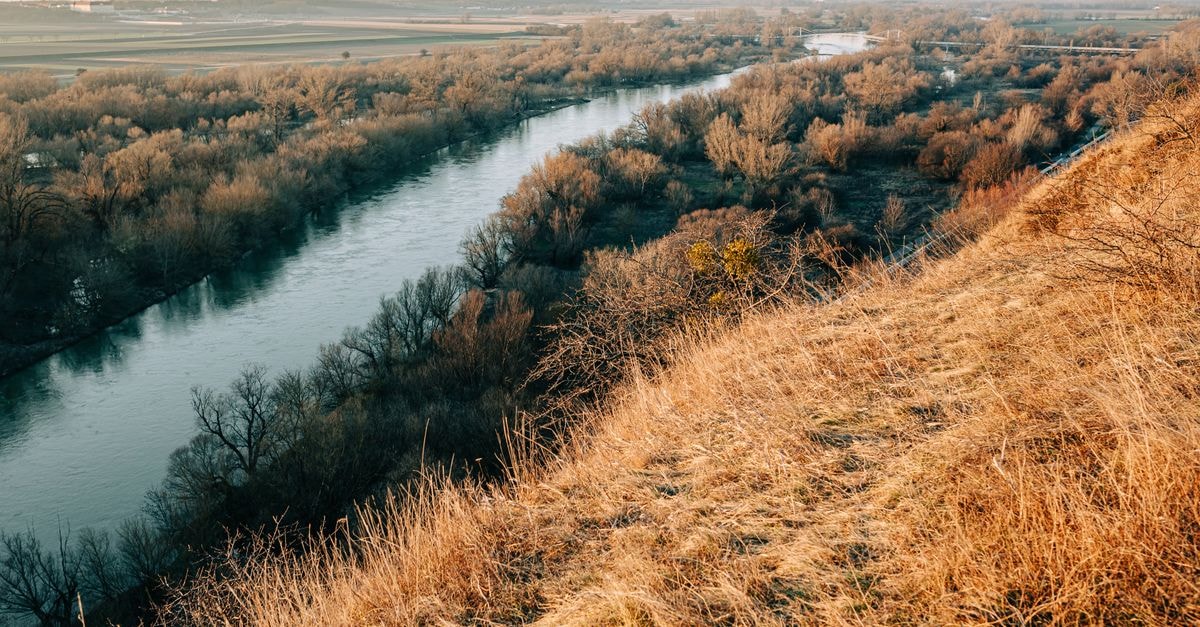
That context matters because it shapes how a day can feel. The natural world close to the city is openly described as part of the appeal, with reference to nearby forests and river walks along the Tom. In Western Siberia, the climate is famously continental, with sharp swings between seasons. Without month-specific numbers in the approved material, the sensible traveler approach is to pack in layers, expect a strong contrast between midday and evening, and leave room in the day to pause rather than press on when conditions turn. If you plan outdoor time, treat any single forecast as a starting point rather than a guarantee, and verify current conditions through an official channel before you head out.
Getting around
Kemerovo functions comfortably as a base for the wider Kuzbass region. Approved travel material describes visitors using the city as a launch point for Siberian forests, walks along the Tom River, mining museums, and the photographic interest of heavy-industry sites. That role as a regional hub is worth keeping in mind, because it influences how you might plan your days: a morning in the city, an afternoon excursion into the surrounding countryside, and a relaxed evening back in town.
Safety framing in the approved material is reassuring but not casual. Kemerovo is described as generally safe, with the usual urban precautions recommended. The two watch-outs are explicit: be mindful of winter hazards if you happen to be visiting during the cold months, and keep a respectful distance from industrial zones. Violent crime is characterized as low. The practical upshot is that ordinary city awareness is enough; the Siberian setting asks more of your clothing choices than of your street smarts.
The city is also the administrative capital of Kuzbass, which means transport links, services, and lodging tend to concentrate here. Approved material for the wider region describes lodging as straightforward and often budget-friendly for groups, which is a useful frame if you are traveling with friends rather than solo.
Attractions and planning
The approved attractions ledger is lean, which is honest guidance in itself: Kemerovo is not a checklist city. What stands out in the material is a small handful of concrete sights that give shape to a visit.
The city center holds the obligatory Lenin statue, a familiar marker of the Soviet-era urban landscape that doubles as a useful orientation point for a walking tour. A short distance away, one of the more distinctive experiences on offer is an enclosed ecosphere designed to shield tropical and desert plant life from the Siberian climate. It is a small, contained visit, but it makes for an appealing counterpoint to the wide horizons outside, especially when the weather is not in your favor.
Beyond the center, the approved material also points to a park that rewards visitors who enjoy walking among relics of Russian military grandeur. Treated as a slow stroll rather than a rushed stop, that kind of green space suits the pace of the city and offers a quiet break between heavier sightseeing.
Because the attractions list is short, the best plan is a gentle one: center, ecosphere, park, river or forest walk, repeat as energy allows. Resist the urge to invent a packed schedule; the city's appeal lies in its atmosphere rather than in a dense itinerary.
Food and local context
There is no city-specific food evidence in the approved ledger for Kemerovo itself, so the most honest framing is to talk about the wider Russian food culture a visitor is likely to encounter while in the country. Think of it as context rather than a Kemerovo specialty list.
Russian cuisine has a reputation problem that approved material is quick to push back on. The crackle of pork fat rendering in a cast-iron skillet and the sharp tang of fermented rye bread are a better entry point than the old stereotypes of gray mystery meat and boiled cabbage. Sit-down meals here tend to be hearty and rooted in home cooking traditions rather than fine-dining theatre.
If there is one dish to recognize on a menu, it is pelmeni. These Siberian meat dumplings are described as perhaps Russia's most universal comfort food, and they show up everywhere from simple cafés to more formal settings. At the other end of the spectrum, black caviar sits as Russia's luxury ingredient, an expensive and historically complicated product shaped by ecological pressure and slowly rebuilt through aquaculture. You do not need to order it to appreciate what it represents about Russian food culture.
The most useful approach in Kemerovo is to treat meals as part of the cultural reading. Ask what is local, follow the lunch crowd, and let the rhythm of Russian dining customs become part of how you understand the place you are visiting.
A note on practicality
The approved material for Kemerovo is honest about scope: a working Siberian capital, a regional base, a handful of distinctive sights, and a wider Russian culture waiting to be tasted. It is not a city that rewards a frantic schedule, and it is not a city where you need one. Plan a few anchor stops, leave breathing room around them, and let the Kuzbass atmosphere do the rest.
Travel conditions can change, and details such as opening hours, transport options, and on-the-ground availability shift over time. Before departure, confirm anything that affects a specific booking or schedule through official channels, and treat the framing above as a starting point rather than a final word.
Verification note
All factual statements in this guide are drawn from the approved evidence ledger and relate to Kemerovo, Kemerovo Oblast, or to wider Russian cultural context where explicitly allowed. No prices, timetables, day trips, or city-specific restaurants have been inferred beyond what the supplied material supports. Readers should verify current travel conditions through official sources before acting on any detail.
Share this article
TOOLS FOR THIS PLAN
Make the Kemerovo plan measurable
Choose a tool only when it answers the next question in your trip. Your values stay in the browser, and each tool offers a route back to this planning context.