A first impression of Perm

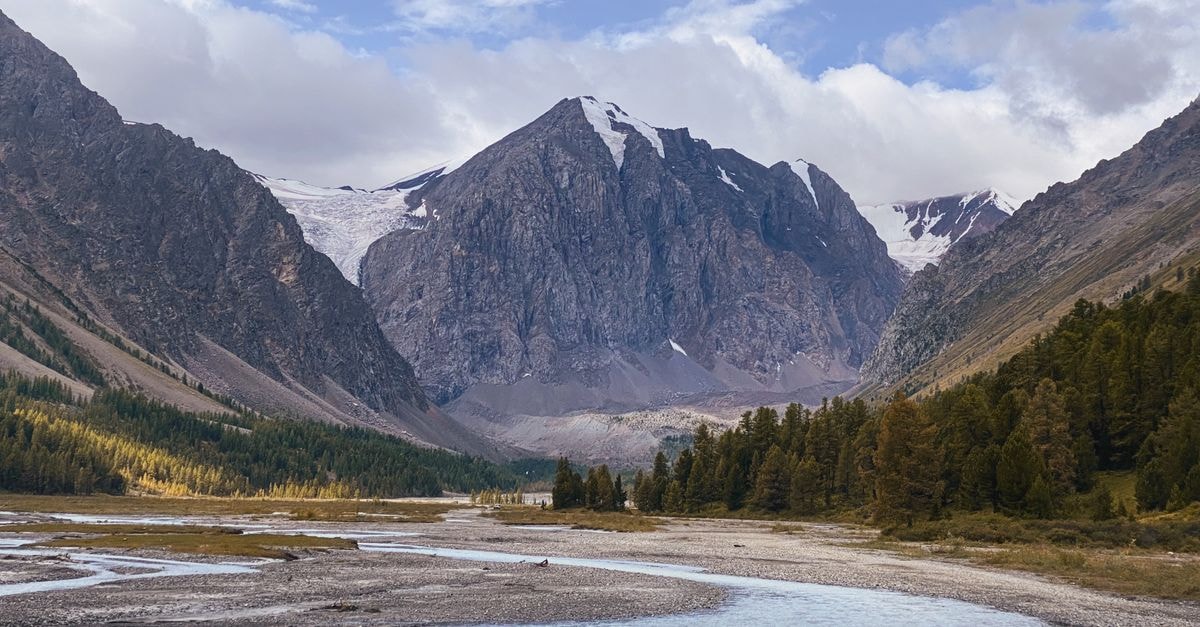
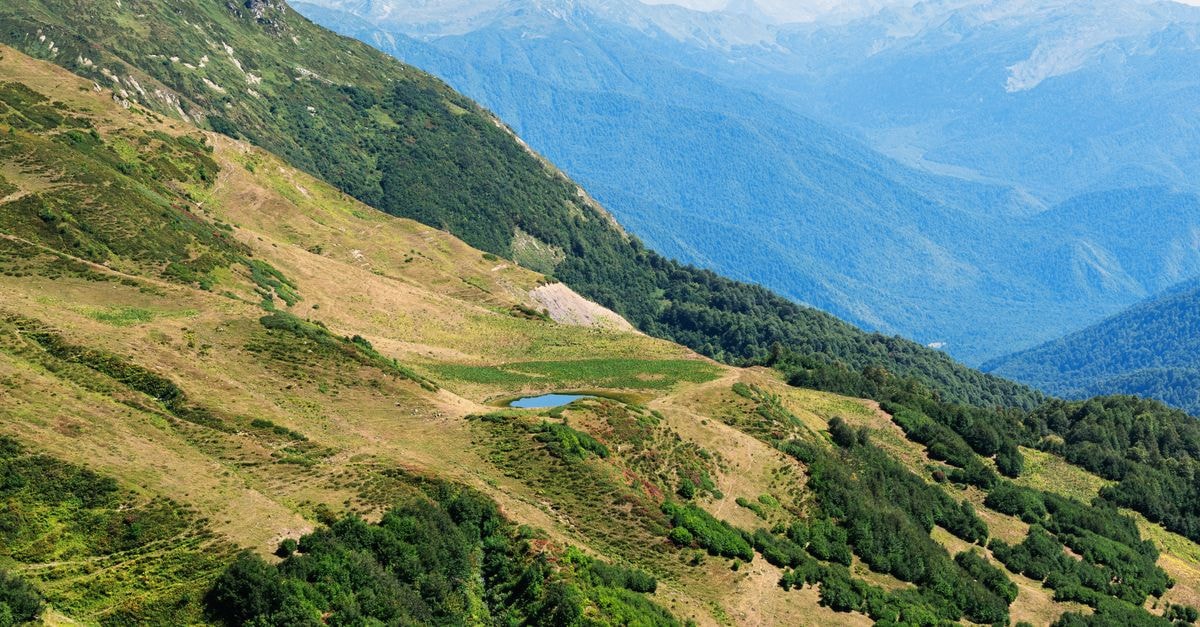
Perm sits on the Kama River in the foothills of the Urals, and its long embankment is the natural pulse of the city. Visitors often find that the rhythm here feels slower than in Moscow or St. Petersburg, with room to linger and watch the light shift across the water. The city carries a genuine creative streak, partly shaped by its Soviet-era industrial past and partly by a contemporary arts scene that draws curious travelers from across Russia and beyond. For independent visitors who like a blend of riverside atmosphere, museum culture, and an unhurried feel, Perm tends to leave a quietly lasting mark.
Weather and seasonal context
Without leaning on a fixed month, it's fair to say that Perm has a clearly continental feel, with cold winters and comparatively mild summers, so layered packing is a useful habit year-round. The city itself sits on the Kama, and the river is one of the defining backdrops for any visit.
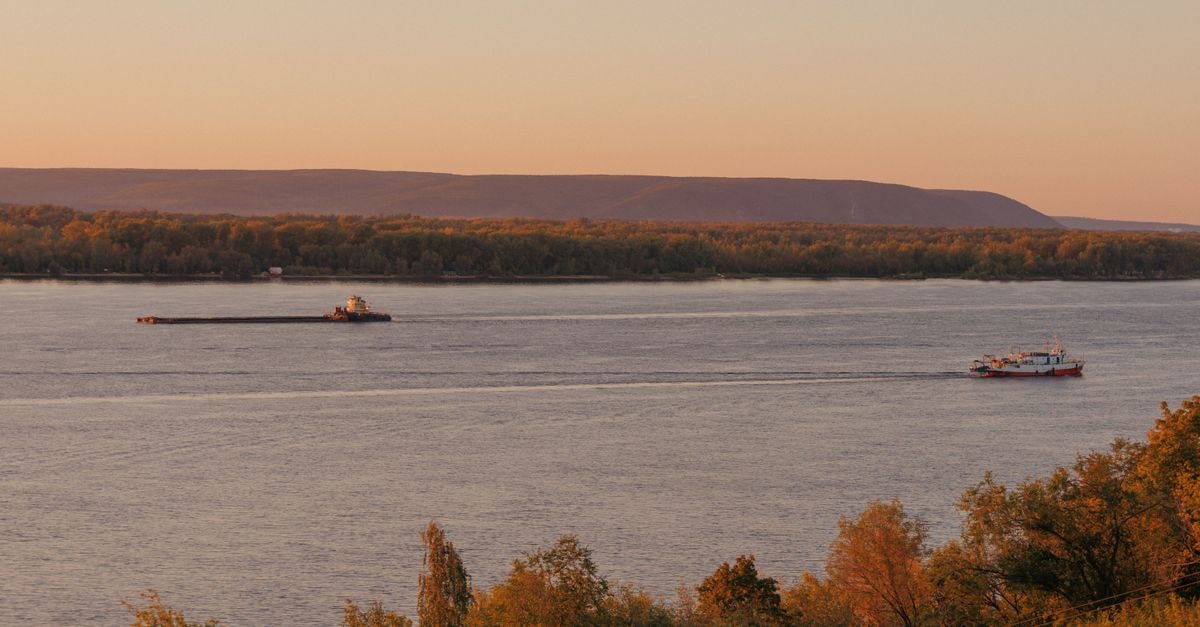
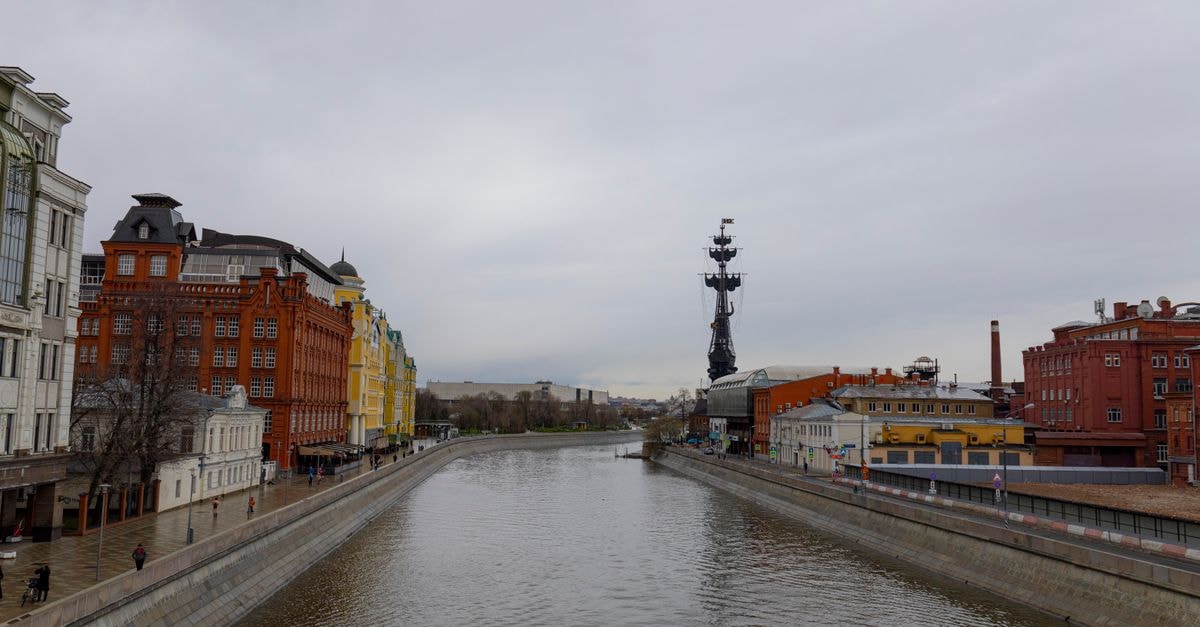
The Kama River Embankment, locally known as Naberezhnaya, is a long promenade that works well for slow strolls and river views (F4-2). It is the kind of place where you can simply walk and watch the water, and it tends to be especially pleasant at dusk when the city lights reflect off the river (F4-1). Because the embankment stretches for a good distance, comfortable shoes make a real difference, and pausing at a bench rather than racing the full length can suit anyone who prefers a more contemplative pace.
For travelers thinking about a daily rhythm, it can feel natural to anchor the day around a stretch of the embankment, perhaps a museum visit in the quieter morning hours and then a walk as the afternoon softens into evening. The relaxed feel that many visitors notice in Perm partly comes from this kind of generous public space. The same sense of calm continues after dark, though standard evening awareness, as anywhere in a regional capital, is simply a good habit.
Mid-range travelers may want to consider basing in the central part of the city, where hotels and apartment rentals tend to cluster (F2-2). Staying central makes the embankment, museums, and main dining streets easy to reach on foot, which reduces the need for taxis and lets you step out for a short walk whenever the mood strikes. Travelers who prefer to keep meals casual and inexpensive will find that stolovayas (traditional self-service canteens) and street food stalls are easy options across the city (F2-1). Both are useful when the weather nudges you indoors or when a quick, warm bite suits the day better than a long sit-down meal.
If you prefer a slower, more contained day, focus on the embankment and the central museum quarter rather than trying to cover the whole city.
Getting around
Perm is laid out in a way that lends itself to on-foot exploration, especially in the center (F5-1). The embankment is the spine of the city, and many of the main cultural spots sit within walking distance of each other, so comfortable shoes are genuinely the most useful item in your bag. Taxis and ride-sharing services are also available for more direct travel within the city, which can help when you want to reach a specific museum, restaurant, or a hotel on the edge of the center without a long walk (F7-2).
Perm is generally considered safe for solo travelers, particularly in the city center and the main tourist areas (F6-1). As in any regional capital, it makes sense to be aware of your surroundings, especially at night (F6-2). Practical habits like sticking to well-lit main streets after dark and keeping an eye on belongings in crowded areas are simple, sensible steps rather than responses to any particular concern.
A useful little souvenir to look out for is the small bear statue, the symbol of Perm, which captures the city's identity in a single image and tends to appear in local craft stalls and gift shops (F3-2). It is the kind of keepsake that travels well and carries a clear sense of place.
Food and local context
Perm sits within a broader Russian food culture that has absorbed influences from many neighboring peoples. Bashkir and Tatar traditions have shaped Ural cuisine, and along the Volga, recipes from the Chuvash, Mari, and German peoples who settled in the Volga Region in the late 18th century have left their mark on local dishes (F9-1). Visitors to Perm may notice some of these broader Russian flavors on menus, especially in dishes that draw on Ural-region traditions.
Farther afield, Russian cuisine shows a remarkable geographic range. Recipes from the Caucasus have reached the south of Russia, while the proximity of far east Siberia to the Pacific Ocean has led to dishes like borscht with seaweed, salmon fish soup, and dumplings with squid (F9-2). This diversity is part of what makes eating your way across Russia such a rich experience, with digital projects exploring the country's food culture through online exhibitions and thousands of images and videos from different parts of the country (F8-2).
For travelers who eat casually and like to try a little of everything, mixing a stolovaya lunch with a more relaxed café dinner is a natural rhythm in Perm. If you prefer a sit-down meal in the evening, the central area near the embankment is the easiest place to find a range of options within a short walk of most hotels and apartment rentals.
Choosing what fits the trip
A few supported tradeoffs can help shape a Perm visit. The city suits travelers who like slow riverside walking paired with focused museum time, especially those comfortable with continental weather and layered clothing. Independent visitors who prefer hotels or apartment rentals in the central part of the city will find the embankment, the Perm State Art Gallery, and most dining within reach on foot. Travelers who prefer taxis and ride-sharing for specific trips can use them without difficulty within the city. Those who enjoy a relaxed solo pace, with standard evening awareness, will find Perm a comfortable match for a short city break built around the Kama.
A note before you go
Factual conditions around Perm, including opening hours, transport options, and local services, can change over time. Before you travel, it is worth checking official channels and current sources for the latest information so your plans reflect the city as it is when you arrive. Currency and exchange details, where relevant, are only a reference, and the live rate should always be confirmed closer to your trip.
Share this article
TOOLS FOR THIS PLAN
Make the Perm plan measurable
Choose a tool only when it answers the next question in your trip. Your values stay in the browser, and each tool offers a route back to this planning context.