A short, slow-paced wanderer’s favorite on the Hokkaido coast

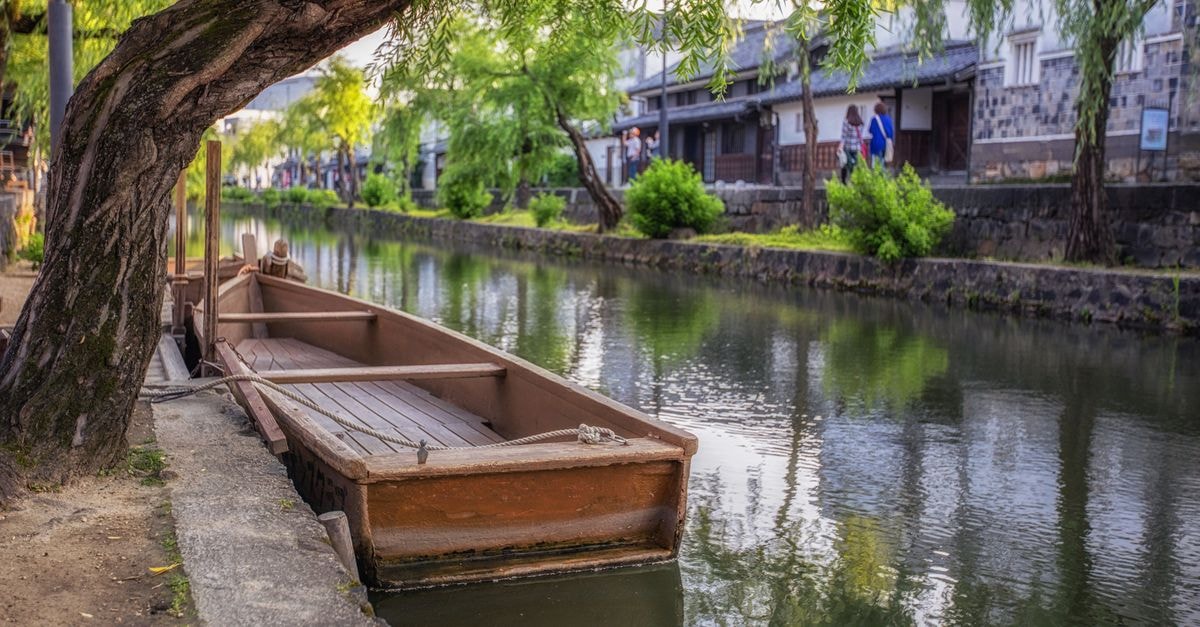
Otaru is one of those small port cities that tends to win people over within an hour of arrival. The compact historic center, the canal-side warehouses, and the gentle hum of street music boxes give the place a storybook feel, while the rest of Hokkaido feels close enough to keep a longer trip flexible. For travelers who like their city days a little quieter, a little slower, and a little more atmospheric, Otaru fits naturally into any northern Japan itinerary.
Weather and seasonal context
Otaru sits on the southwestern coast of Hokkaido and has a humid subarctic climate, which means it feels quite different from cities farther south on the Japanese mainland. Winters here can be cold and snow-heavy, while summers tend to be mild and pleasant, making the period from June through August a popular time to wander outside for long stretches. December through February draws travelers who want the snowy Hokkaido atmosphere instead. Because the climate can swing noticeably between seasons, layers and comfortable walking shoes tend to matter more than a fixed packing list.
Getting around
Otaru is small enough that much of the core experience can be reached on foot once you have arrived, and the city’s main rail hub is Otaru Station, which sits conveniently close to the historic streets and canal area. For travelers coming from elsewhere on Hokkaido, the JR Hakodate Main Line is the simplest connection: there are multiple trains per hour between Sapporo and Otaru, which makes a day visit or a longer stay easy to slot into a broader Hokkaido route. Local transport options are available within the city as well, but most visitors find that walking covers the central sights comfortably.
Attractions and planning
Otaru is best treated as a half-day or full-day stop rather than a sprawling metropolis, and the central attractions are close enough together that you can drift between them at a relaxed pace. The Otaru Music Box Museum is one of the most photographed stops in the city, known for its melodious tunes and intricate craftsmanship across the collections on display, and the small steam clock right in front of the main museum building makes it easy to pair the two experiences together. Visitors who enjoy cultural stops will find the Bank of Japan Otaru Museum a quieter counterpart, where the focus shifts to the history of banking and finance in Japan, offering a different lens on the country’s modern development. Because these three stops cluster near the canal and the main station, the rest of the day can easily be left for a slow walk, a canal-side coffee, and an unhurried look at the surrounding warehouse architecture.
A few practical notes
Otaru rewards travelers who keep things simple. Most of the city center can be explored on foot in a single unhurried day, which leaves plenty of time for the museum stops, a canal-side walk, and a long lunch without feeling rushed. The frequent JR Hakodate Main Line service between Sapporo and Otaru means that pairing the city with a night or two in Sapporo is straightforward. Since hours, menus, and seasonal conditions can change, official websites and current transit information should be checked before departure.
Verification note
Factual travel conditions can change at any time. Train timetables, museum opening hours, food street layouts, and seasonal conditions are best confirmed through official channels close to the date of travel, and this guide should be read as a starting point rather than a final itinerary.
Share this article
TOOLS FOR THIS PLAN
Make the Otaru plan measurable
Choose a tool only when it answers the next question in your trip. Your values stay in the browser, and each tool offers a route back to this planning context.