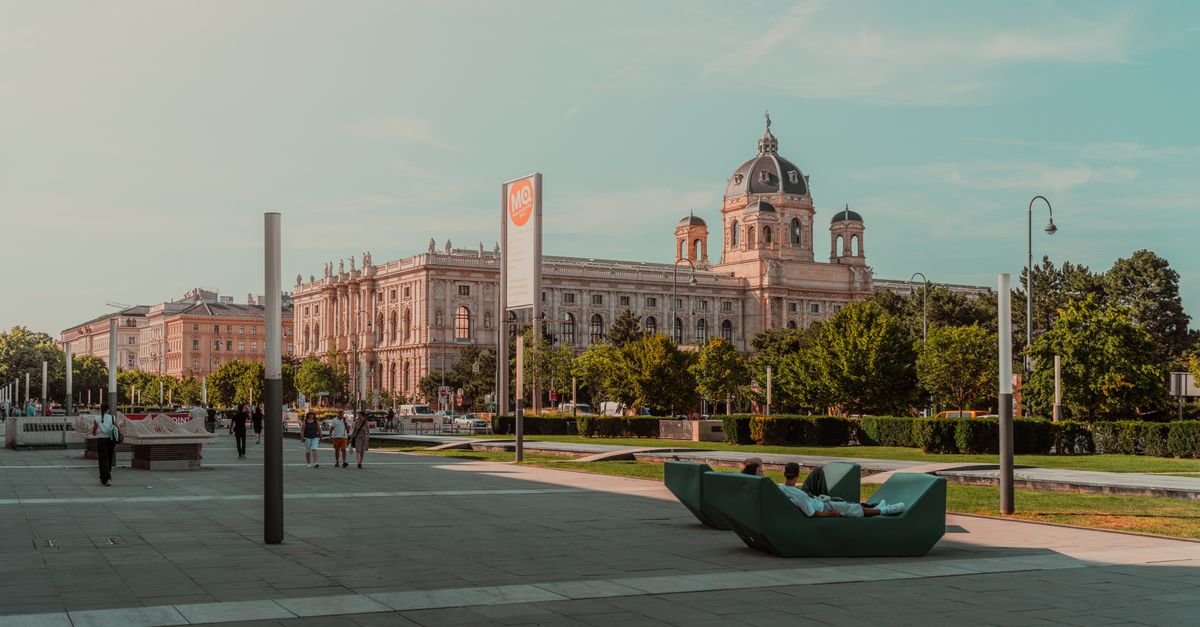
Destination Overview

Rome in July 2026 is a city of late sunsets, festival crowds and serious heat. The Eternal City hosts outdoor concerts at the Casa del Jazz, digital art at the Gazometro and the historic Festa de' Noantri celebrations in Trastevere, alongside the usual lineup of ancient monuments, Baroque fountains and gelato stops. Travellers heading out in peak summer should expect very high visitor numbers, midday temperatures that regularly push past 31°C and a calendar full of free-admission Sundays. This guide focuses on the practical decisions that make or break a July trip: how to read the heat, when to book what, which transport lines are disrupted, and where to eat the dishes that actually define Roman cuisine.
July Weather and How to Plan Your Day Around It
July is Rome's hottest month, with an average high of 31°C and an average low of 18°C, only about 2 days of measurable rain across the entire month and roughly 18 mm of rainfall. Sunrise is around 5:47 am and sunset close to 8:43 pm on the 15th, giving nearly 15 hours of daylight and a long golden hour that runs roughly from 8:03 pm to 9:03 pm.
The reality under those averages is harsher. Daytime highs of 34–36°C are common, and heatwaves regularly push past 38°C, with overnight lows that fail to drop below 20°C — what Italians call "tropical nights". Italy's Ministry of Health issues a daily colour-coded heat-health bulletin (the bollettino ondate di calore) from May to September, forecasting risk 24, 48 and 72 hours ahead; a red "bollino rosso" means the heat is dangerous for healthy adults too. Check the bulletin each morning of your trip.
UV index reaches an extreme 11.9 around noon, and the city's dark stone streets absorb and radiate heat well into the evening. The schedule that actually works in July is:
- 6:30–9:00 am: outdoor sights and walking - 9:00 am–12:30 pm: air-conditioned museums (Vatican Museums, Capitoline, Borghese) - 12:30–5:00 pm: long lunch, riposo, rest - 5:00–9:00 pm: piazzas, gardens, aperitivo, evening sightseeing
Getting to Rome and Getting Around
Rome has two airports. Fiumicino (FCO) connects to Termini on the Leonardo Express in about 32 minutes for €14, or the slower FL1 regional train (40–45 minutes) for around €8. Ciampino (CIA) is served by Terravision and SIT Bus shuttles to Termini in 40–45 minutes for roughly €6–7. Use only white, metered taxis bearing the Roma Capitale emblem and decline any "taxi" offered inside the airport arrivals hall.
In the city, Metro Line A reaches Spagna, Barberini and Termini; Line B serves the Colosseo. A single BIT ticket is €1.50 (valid 100 minutes), a 24-hour pass €7, and a 72-hour pass €18, sold at any tabacchi or Metro machine. The Roma Pass 72h at €53 bundles unlimited transport with two museum entries and pays off if you combine the Colosseum with another paid site.
In July the underground platforms are stifling, with little air movement and no cooling. Where possible, take an air-conditioned bus and avoid walking between noon and 3 pm.
Tram works to know about for July 2026: lines 2, 5, 8, 14 and 19 are partially replaced by buses because of Metro C construction on Via Barletta, the new Tram Line 10 works on Viale Palmiro Togliatti, Acea tree-maintenance work on line 2, and track renewal on Circonvallazione Gianicolense for line 8. Replacement bus 519 runs between Piazza dei Gerani and Largo Preneste, and trams on line 19 currently stop short of the Prati district. Always check the ATAC site the day you travel.
Events and Things to Do in July 2026
The official Roma Live calendar from Turismo Roma lists the headline July events:
- I Concerti nel Parco runs throughout July and into early August at the Casa del Jazz, mixing music, theatre, dance and video art under the Roman sky. - Videocittà 2026 "Watercult" takes over the Gazometro, Europe's largest industrial heritage site, from 10 to 12 July, with immersive light installations, virtual reality, DJ sets and live performances themed around water. - Termini escape opens at Palazzo Massimo from 3 July, 10 am to 6 pm: a two-thousand-year historical gaming experience blending the area around Termini station with virtual elements. - Rock in Roma 2026 brings national and international headliners to its summer run. - Festa de' Noantri fills Trastevere from 17 to 25 July with traditional celebrations. - The summer opera season moves to the Circo Massimo for 2026.
The city also lights up after dark: the Colosseum is floodlit, the fountains glow, and the evening aperitivo scene runs from about 6 pm.
Tickets, Bookings and Queue Risk
July is peak season and crowds are very high. Timed-entry tickets for the Colosseum, Vatican and Borghese Gallery should be booked 3–4 weeks ahead; the most popular slots sell out first.
Two free-admission Sundays fall inside July 2026:
- Sunday 5 July (first Sunday): free entry to national cultural sites and to the museums in the Roma Capitale network. - Sunday 26 July (last Sunday): free entry to the Vatican Museums from 9 am to 2 pm, last admission 12:30 pm.
Several small museums are free year-round, including the Museo delle Mura, Museo della Repubblica Romana e della Memoria Garibaldina and Museo di Casal de' Pazzi (Tuesday–Sunday), the Casa Museo Alberto Moravia (second Saturday of the month), Palazzo Sciarra Colonna (Wednesday–Sunday), Casa Pasolini (Thursday–Sunday) and the FAO MuNe (Monday–Friday, online reservation required).
Where to Stay and Booking Timing
Rome is in high season in July, with tourist numbers clearly elevated across the historic centre and at headline attractions. Side streets and lesser-known sights stay manageable. Lodging should be booked 3–5 months ahead, with premium properties going first; flights are best locked in 3–4 months ahead, and Tuesday/Wednesday departures are typically cheaper than weekend ones. If your dates are flexible, check last-minute availability two weeks out. Note that August 15 (Ferragosto) brings a wave of closures in many local restaurants and shops, although July itself runs normally.
Local Food: The Four Roman Pastas and Beyond
Roman cuisine is a cucina povera built on humble ingredients. The four pasta pillars every visitor should know are:
- Cacio e pepe: pecorino Romano, black pepper, pasta and nothing else; the magic is in the emulsion of starchy water and cheese. - Carbonara: eggs (no cream), pecorino Romano, guanciale and black pepper. - Amatriciana: tomato, guanciale, pecorino Romano and chilli. - Gricia: the "mother" of Roman pastas, with guanciale, pecorino Romano and pepper, no tomato.
Beyond pasta, the so-called "fifth quarter" — the offal and cheaper cuts historically given to Testaccio slaughterhouse workers — defines Roman trattoria menus: rigatoni con pajata, coratella with artichokes, Roman-style tripe, coda alla vaccinara (oxtail stew), stufatino alla romana and saltimbocca alla romana. Try also the slow-braised garofolato, a beef round steak stuffed with lard, cloves and garlic.
Romans typically eat lunch between 1 and 3 pm and dinner between 7 and 9 pm; pasta is the primo piatto (first course). Long, two-hour lunches are normal. Etiquette points worth knowing: twirl long pasta against the side of the plate, never cut it; taste before adding cheese (pecorino is usually enough); pasta portions are not shared.
For self-catering and regional produce, the Campagna Amica market at Circo Massimo (Via di San Teodoro 74) is run by Coldiretti producers and stocks fruit, vegetables, cheese, bread, pasta, oil, salami and honey. Lazio's protected products include Roman pecorino and ricotta cheeses, Roman artichokes, Atina cannellino beans, porchetta of Ariccia, Genzano bread and the Cannellino di Frascati and Cesanese wines.
Safety and Daily Costs
Italy's official travel advice (last updated 13 July 2026) asks visitors to exercise a high degree of caution due to the threat of terrorism. Petty crime — particularly pickpocketing and bag snatching — is frequent. Thieves often work in crowded tourist areas, on public transport, at Termini, in hotel lobbies and at outdoor restaurant terraces; common tactics include spilling drinks, engaging you in conversation, persistently offering help or trying to separate you from your bag. Keep valuables secured, do not display wealth, and keep car windows closed at traffic lights because scooter-borne snatch thefts are reported. The Italian emergency number is 112; the 24/7 anti-violence and stalking helpline is 1522.
For health, follow the daily heat bulletin, drink water constantly, and treat midday sun as dangerous even for healthy adults.
Daily budgets for mid-range travellers in July 2026 typically land between €65 and €400+ depending on accommodation tier and dining choices. The biggest variable is lodging.
Practical Pre-Departure Notes
A few final reminders before you fly:
- Currency is the euro (€); rates fluctuate, so check the live rate before exchanging money. - Free-admission Sundays fall on 5 July and 26 July — plan your Vatican visit accordingly. - Tram lines 2, 5, 8, 14 and 19 are partially replaced by buses; check ATAC before each ride. - Book Colosseum, Vatican and Borghese Gallery slots 3–4 weeks ahead; flights 3–4 months, lodging 3–5 months. - Eat lunch late, walk after 6 pm, and check the bollettino ondate di calore each morning.
Travel conditions change constantly. Confirm opening times, ticket availability, free-Sunday rules, transport works and safety advice with official sources (Turismo Roma, ATAC, Vatican Museums, the Italian Ministry of Health and your government's travel advisory) before you depart.
Share this article
TOOLS FOR THIS PLAN
Make the Rome plan measurable
Choose a tool only when it answers the next question in your trip. Your values stay in the browser, and each tool offers a route back to this planning context.