A quieter doorway into Greater São Paulo

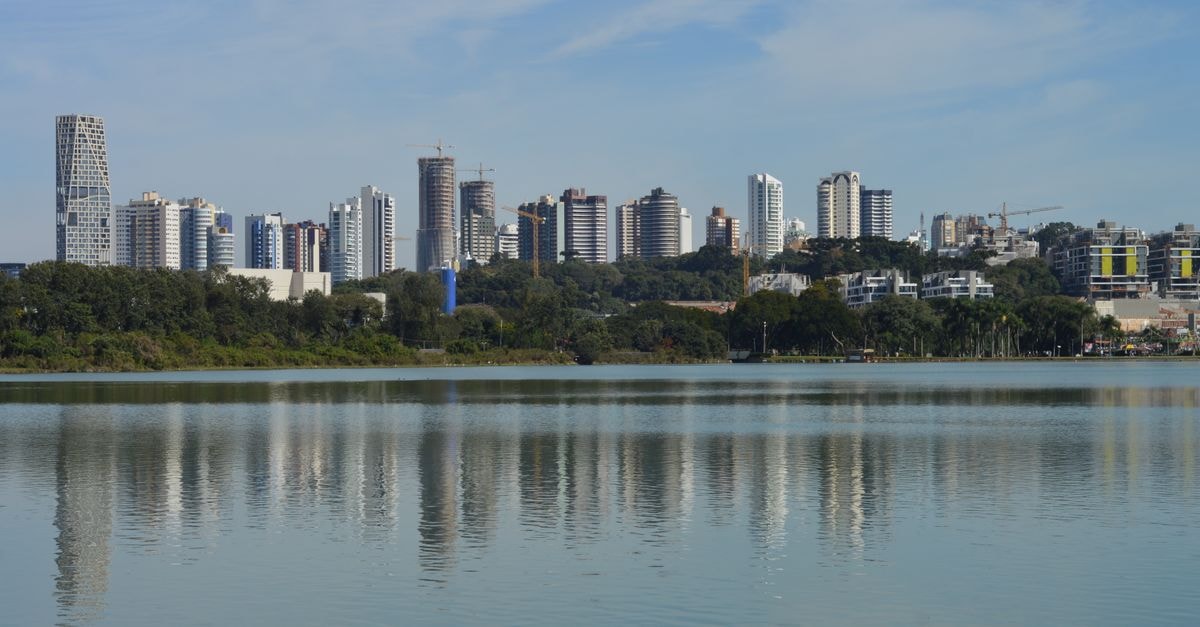
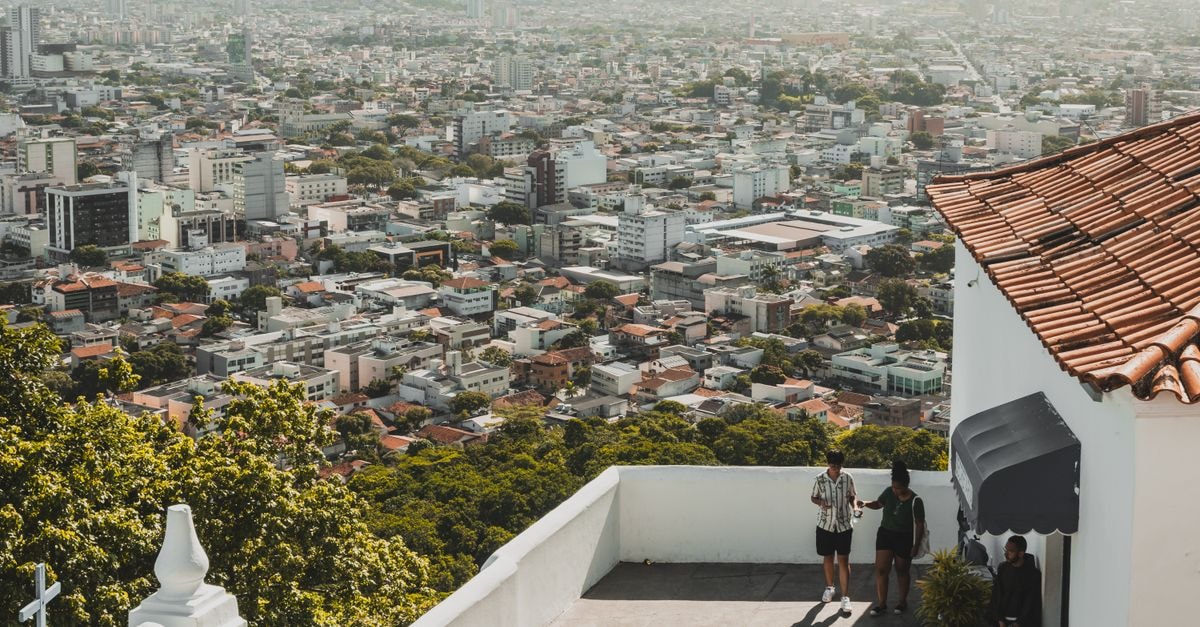
Tucked into the ABC Paulista region just south of central São Paulo, Santo André often slips past travelers who hurry toward the bigger headlines. That is part of its charm. The city carries the rhythms of Brazilian daily life, a layered food culture, and a handful of heritage threads worth pulling on. Think of this guide as a starting point for visiting Santo André with curiosity rather than a checklist to rush through.
The city shares the broader São Paulo metropolitan palate, where immigrant influences from across Brazil and beyond layer onto home-cooked traditions. Visitors who like to read a place through its kitchens and cultural institutions may find Santo André a rewarding stop, especially when paired with slow wandering rather than a packed agenda.
Weather and seasonal context
Santo André sits in a subtropical pocket of southeastern Brazil. Daytime readings can reach roughly 26°C (79°F) while evenings settle closer to 17°C (63°F), giving the city a noticeable daily swing between warm afternoons and cooler nights. That pattern tends to reward travelers who build a little breathing room into their day, with lighter clothes for wandering and a light layer once the sun drops behind the surrounding hills.
Rain can arrive in passing showers rather than long downpours, so carrying a compact umbrella or rain shell is a small habit that often pays off. Travelers who prefer to be out in the open air should consider pacing the middle of the day for slower moments indoors or in covered spaces, then returning to streets and viewpoints when temperatures soften.
Food and local context
Santo André's food scene reflects the multicultural blending that defines São Paulo state dining, drawing on Portuguese, Italian, African and broader Brazilian influences. Visitors exploring the city will encounter that spectrum in everyday spots, from bakeries and casual lunch counters to family-style restaurants where the menu is built around shared plates and long conversations. Travelers with an interest in culinary heritage may enjoy approaching meals as a way to read the city's layers, asking about regional dishes and seasonal specials rather than defaulting to familiar international chains.
Across Brazil, the table tells a national story as much as a local one. **Feijoada**, often described as Brazil's national dish, is a hearty stew of black beans with pork and beef, slow-cooked and traditionally enjoyed as a leisurely midday meal. Served in homes and in restaurants throughout the country, it is the kind of plate that invites you to slow your afternoon and share the table. For visitors in Santo André, this wider Brazilian context is part of what the local dining landscape builds on, and it often appears alongside regional plates that reflect the surrounding state.
Heritage and cultural anchors
Beyond the kitchen, Santo André holds cultural threads that help anchor a visit. The Corporação Musical Lira de Santo André, commonly known as Banda Lira, was founded on 21 April 1918 and is recognized as one of the oldest musical organizations in the country, a living piece of the city's musical heritage. Travelers with an interest in local traditions may enjoy asking about performances or civic events tied to this long-running ensemble, as it can be a more intimate window into community life than larger tourist stages.
Ecological and historical routes also shape how residents and visitors experience the surrounding landscape. The Caminho do Sal is an ecotourism route developed through a partnership between the municipalities of Santo André, São Bernardo do Campo and Mogi das Cruzes, tracing a path tied to the historical salt trade. Travelers drawn to slow, story-driven walking routes may find this kind of trail a fitting complement to the urban side of the city, though details such as access points and seasonal conditions are best confirmed through official municipal channels before setting out.
Pacing the day
Because the city's cultural touchpoints tend to unfold across neighborhoods, institutions and trails rather than along a single main avenue, planning by mood tends to work better than planning by distance. A morning can lean toward heritage and civic spaces, an afternoon toward food and people-watching, and an evening toward music or a slow dinner when the air cools. Travelers who like to combine outdoor time with cultural stops should consider building flexibility into the middle of the day, when stepping out of direct sun for an hour often makes the rest of the visit more enjoyable.
Choosing what fits the trip
For travelers who tend to read a place through its kitchens, Santo André's blend of Brazilian and immigrant influences offers plenty of texture, especially if feijoada and regional plates are approached as a doorway into the wider national table. Those drawn to music and civic heritage may find Banda Lira a meaningful thread to pull on, while visitors who prefer outdoor time may gravitate toward the Caminho do Sal and its partner municipalities, with the understanding that trail details should be verified locally before setting out. Because the city's appeal is more about layering than rushing, travelers who like a packed agenda may want to widen their scope to include surrounding São Paulo state rather than trying to compress every thread into Santo André alone.
Verification before you go
A single practical check before traveling: confirm the current status of any cultural site, trail or musical event you plan to attend through the official Prefeitura Municipal de Santo André or trusted local sources, since schedules and access conditions can shift. Factual travel details can change, and a quick verification helps the plan on the ground match what is actually open.
Prices, opening hours, schedules, reservation rules, and local conditions can change; verify them through official channels before departure.
Share this article
TOOLS FOR THIS PLAN
Make the Santo André plan measurable
Choose a tool only when it answers the next question in your trip. Your values stay in the browser, and each tool offers a route back to this planning context.