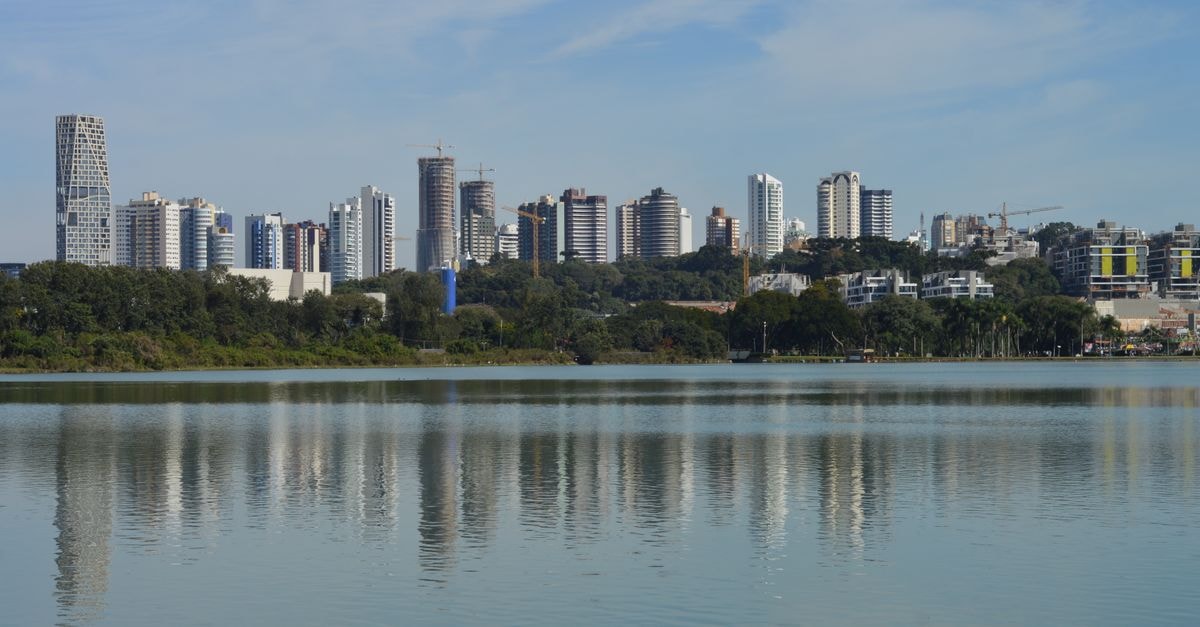
Weather and seasonal context

Bauru falls within the Aw classification of the Köppen-Geiger climate system, a category shared with much of inland São Paulo. In plain terms, that means warm conditions for most of the year, with a wetter stretch and a drier stretch rather than four sharply defined seasons. During the winter season, precipitation levels are significantly lower compared to those experienced in summer, which gives the cooler months a calmer, sunnier feel and leaves the rainier periods feeling lush and a little more humid.
For visitors, the practical takeaway is gentle rather than prescriptive. Pack for warmth and humidity as a baseline, keep a light layer handy for cooler evenings, and treat the wetter periods as a cue to plan around indoor attractions, museum-style visits, or long lunches. Travelers who prefer dry sidewalks and blue skies often find the cooler months easier to pace, while those who do not mind a passing shower can enjoy greener parks and a more dramatic sky. Either way, the climate is part of the city's personality, not an obstacle to work around, and the city's friendly local atmosphere tends to shine through in any season.
Getting around and finding what is on
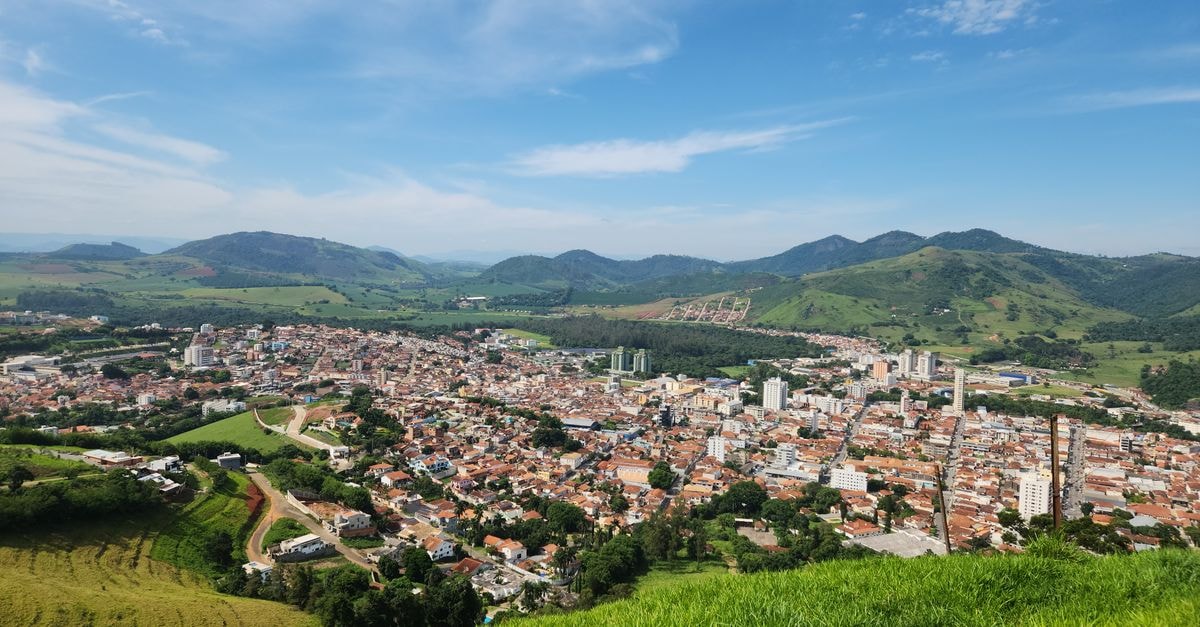
Bauru reads as a city where you can settle in without too much logistical overhead. Local tourism sources describe the municipality as geographically well placed within São Paulo state, with a mix of urban and rural attractions within reach, which makes a base in the city center feel convenient for independent travelers who prefer to keep plans flexible.
Attractions and planning your time
Beyond headline events, the city's cultural infrastructure is more layered than it first appears. The municipal culture secretariat sits within the city's institutional fabric as a point of reference for programming and civic cultural life, even if it does not always show up in casual travel searches. Independent travelers who enjoy digging a layer deeper than guidebooks tend to find that municipal culture offices and the official municipal portal are useful tools for checking current exhibitions, public events, and seasonal programming that may not yet appear on mainstream tourism platforms. Pairing these official channels with the SESC schedule is often the difference between a generic weekend in Bauru and a weekend that feels curated.
Food and local context
Bauru carries a specific culinary claim to fame that any visitor will hear about quickly: the city is famous for being the birthplace of the iconic Brazilian sandwich known as the "Bauru," a toasted, layered sandwich that has carried the city's name across Brazil for generations. That single detail tends to shape a visitor's first few meals, and ordering one is less a culinary choice than a small civic ritual.
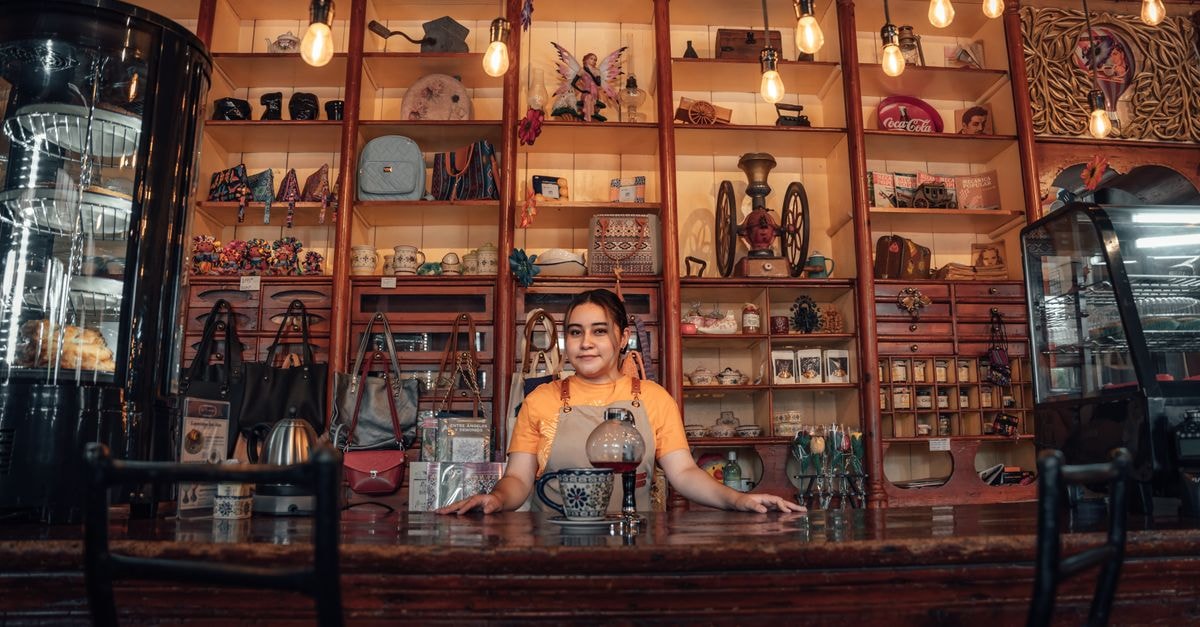
Beyond that hometown sandwich, Bauru sits firmly inside wider Brazilian food culture, and a few nationwide patterns are worth knowing before you sit down. Brazilian dining tends to favor generous portions, communal sharing, and a relaxed relationship with mealtimes, with lunch often running later than visitors from other cultures might expect and dinner stretching well into the evening. Coffee, fresh juices, and small savory snacks appear throughout the day rather than being confined to a single block of time. Travelers who arrive with a flexible appetite and a willingness to ask what the kitchen recommends tend to be rewarded, especially in a city where regional pride shows up most clearly on the plate.
Treat this section as background context for what you may encounter rather than a fixed checklist of dishes or venues. Markets, bakeries, and casual restaurants across the city reflect the same wider Brazilian habits, and the most memorable meals often come from following a local recommendation rather than a list.
A practical rhythm for the trip
A few evergreen habits serve visitors well in Bauru. Build at least one evening around a live event, since the city's music calendar is one of its most distinctive features. Use the SESC unit and the municipal culture secretariat as starting points for what is actually happening during your stay rather than relying solely on travel platforms. Keep an eye on the climate in the loosest sense, pacing outdoor time toward the cooler parts of the day during humid stretches and saving heavier sightseeing for the drier, cooler months if you have flexibility.
If a major fair or festival coincides with your visit, plan ahead on accommodation and intra-city transport, since crowd levels can lift noticeably when programming draws visitors from across the region. Otherwise, Bauru rewards unhurried travelers: walk a little, eat slowly, ask what is playing tonight, and let the city introduce itself.
Travel conditions, event schedules, and local programming can change, so confirm details through official channels and the SESC portal before finalizing your plans.
---
This city guide is built on publicly available information current at the time of writing. Factual details about Bauru, including event programming, weather patterns, and cultural references, can change without notice, and visitors should verify specific schedules, opening hours, and current conditions through official municipal and state sources before traveling.
Share this article
TOOLS FOR THIS PLAN
Make the Bauru plan measurable
Choose a tool only when it answers the next question in your trip. Your values stay in the browser, and each tool offers a route back to this planning context.