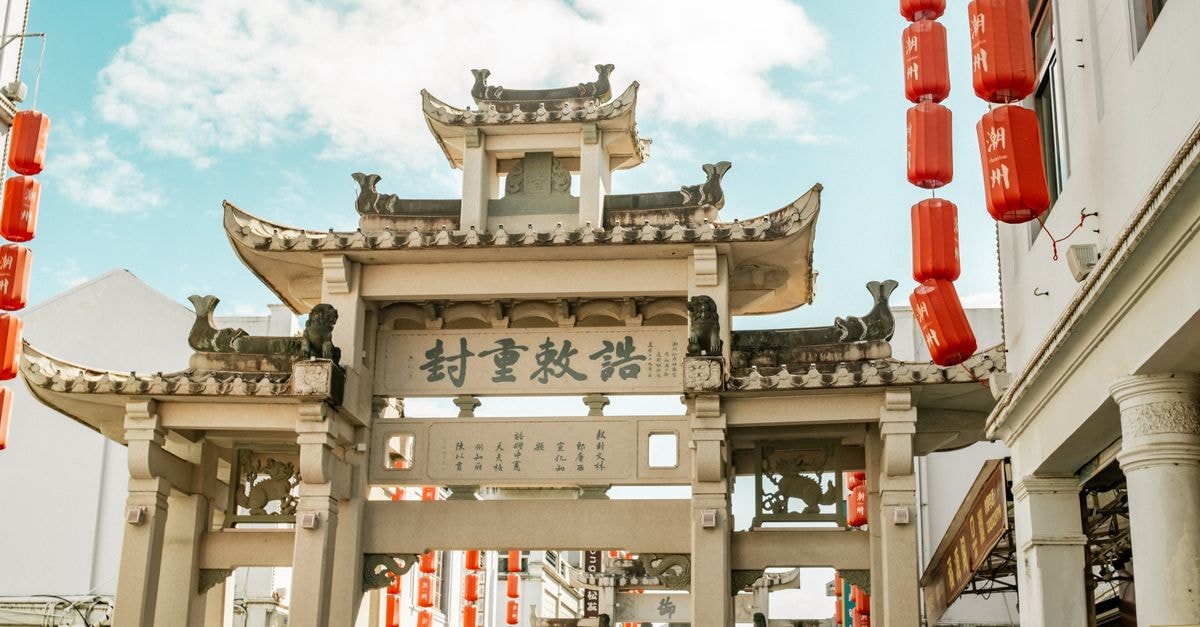
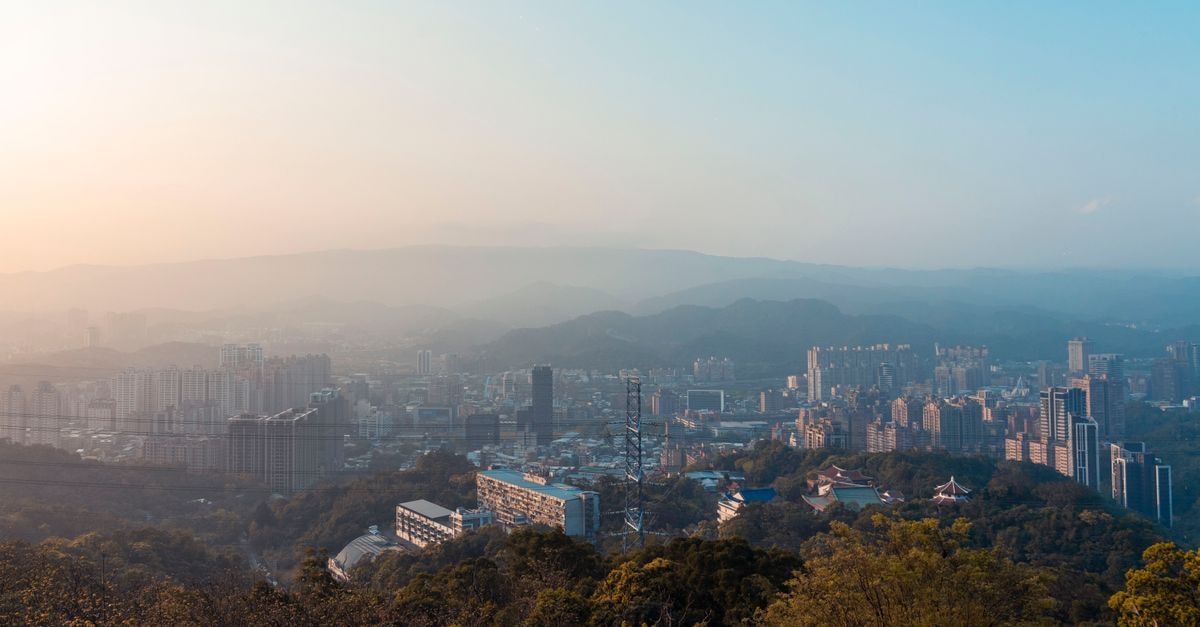
A first impression worth slowing down for

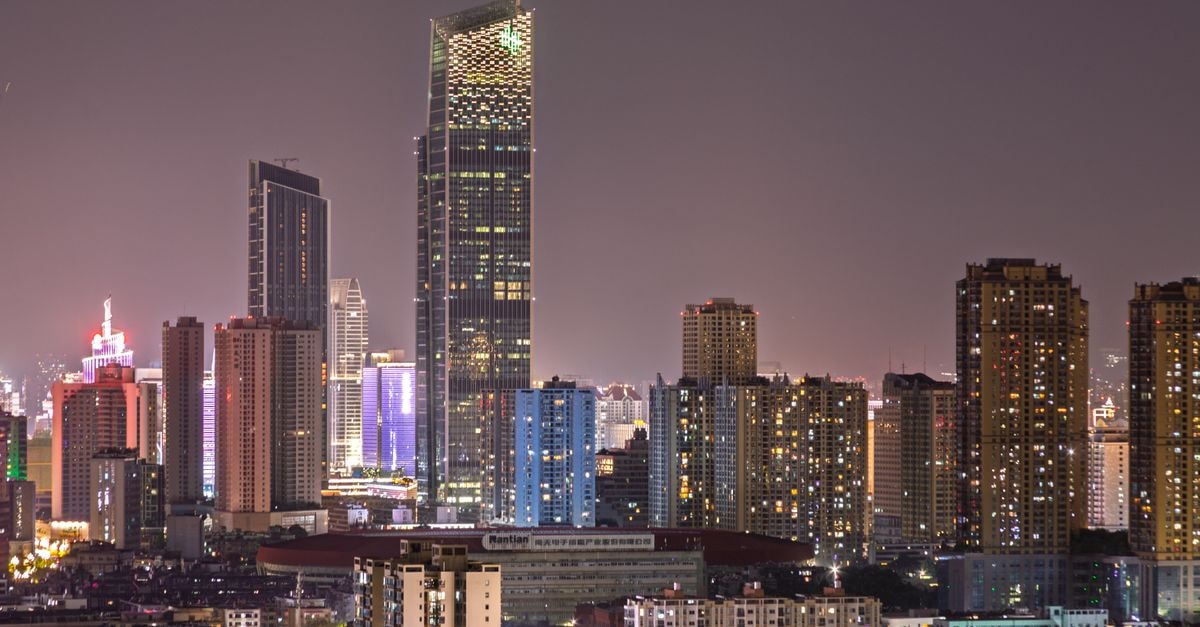
There is something quietly disarming about arriving in Shantou. Set on the eastern coast of Guangdong and surrounded by water on several sides, the city has the feel of a port town that never entirely gave up its slower rhythms, even as its skyline has grown taller. The air often carries a faint sea edge, the streets widen into broad boulevards, and life seems to unfold at the pace of a shared pot of tea rather than a rushing itinerary.
For an independent traveller, that mood is part of the appeal. Shantou rewards visitors who like to read a map, board a bus, and let curiosity lead the way. This guide keeps things grounded: how to arrive, how the city actually moves, what kinds of attractions anchor a visit, and why the local table deserves its own unhurried evening.
Getting there: airports, trains and the wider network
Most travellers will reach Shantou through one of three gateway routes, each with a different feel.
The most common air route is via Jieyang Chaoshan International Airport, which the city shares with Jieyang and Chaozhou. Because the airport sits outside Shantou itself, the journey into town becomes a small part of the trip. Allow time for the transfer; once on the ground, the road in is straightforward.
For visitors already travelling overland through Guangdong, Shantou Railway Station is one of the province's important rail hubs. It is a useful anchor point both for arrivals and for figuring out onward connections within the region. Trains here tend to feel a little more relaxed than in the mega-hubs further west, which suits the city's pace.
Long-distance buses complement the rail network, and the central long-distance bus station, known locally as Waiyun Station, sits among the city's major transport nodes alongside the railway station and several large commercial districts. If you are arriving late or weaving Shantou into a wider eastern Guangdong trip, the bus option is worth keeping in mind.
Getting around: buses, taxis and the rhythm of the streets
One detail that surprises first-time visitors is that Shantou does not have a subway or tram system. Unlike many larger Chinese cities, moving around here is a matter of buses, taxis, ride-hailing apps, and your own two feet. For some travellers, that is part of the charm; for others, it requires a small shift in expectations.
The bus network is the backbone of daily movement, and it ties the city together through a handful of major hubs. Shantou Train Station and Waiyun Station function as transit landmarks, while the larger commercial districts act as natural meeting points where multiple routes converge. If you base yourself near one of these nodes, many of the city's everyday scenes fall within an easy ride.
Taxis and app-based car services fill the gaps that buses do not cover well: late evenings, hot afternoons, or trips with luggage. Traffic in Shantou is generally calmer than in tier-one Chinese cities, which makes road travel feel less like a battle and more like a slow drift between neighbourhoods.
For shorter distances, walking is genuinely enjoyable. The flat coastal geography, the wide pavements, and the shaded arcades in older quarters make it easy to link sights on foot. Build in time for detours; some of the best moments in Shantou arrive between planned stops.
Attractions and planning: how a visit takes shape
Shantou has a small but confident lineup of landmarks that give the city its shape. A commonly cited set of ten must-visit places is often used to frame the city's most remarkable attractions, and that list is a reasonable starting point for first-time visitors who want a balanced view rather than a specialist deep dive.
Two anchors help orient a visit. The first is the Shantou Museum, an art museum that traces the city's history and visual culture. It is the kind of place where you can spend a couple of unhurried hours and come away with a much clearer sense of how Shantou sees itself.
The second is the broader coastal geography. Shantou is a prefecture-level city in Guangdong, and the presence of water is felt everywhere, from harbour-edge walks to the bridges that stitch the urban area together. Look for vantage points along the waterfront; they tend to be free, open, and especially good at softer light.
Because the city does not rely on a metro to knit its sights together, plan loosely rather than tightly. Cluster two or three nearby stops in the morning, pause for a long lunch, and let the afternoon breathe. That rhythm suits both the climate and the local temperament.
Food and local context: sitting down at the table
If you arrive in Shantou hungry, you are arriving at the right moment. Shantou sits at the heart of Chaoshan cuisine, a branch of Cantonese cooking that has its own strong identity. Local cooks are known for careful technique, a clear preference for freshness, and an almost stubborn attention to texture.
The sea shapes the menu in obvious ways. Influenced by the seaside geography, locals build many traditional dishes and snacks around seafood, and the cooking tends to emphasise freshness and tenderness rather than heavy seasoning. Expect clean flavours, broths that look simple but taste layered, and small plates that reward slow eating.
A few practical notes help. Menus in the busier neighbourhoods often appear in both Chinese and English, but in smaller spots a translation app is your friend. Eating hours in Shantou tend to be slightly later than in northern Chinese cities, and dinner is genuinely an evening affair rather than a quick stop. Give yourself room to order one more dish than you planned; sharing is the norm, and the table usually gets better as it goes.
A gentle rhythm for your stay
There is no single right way to spend time in Shantou, and that is one of its quieter pleasures. A balanced visit tends to mix three threads: a slow morning by the water or in a museum, a midday spent weaving between shops, markets and arcades on foot or by bus, and a long, social evening at the table.
Because there is no subway to speed you between districts, the day unfolds at human scale. Embrace that. Take a bus because the view is interesting. Stop at a tea house because the light is good. Walk a little further along the harbour because the breeze is doing something nice. Shantou does not rush, and travellers who arrive ready to match that pace tend to leave with the strongest impressions.
A note before you go
Practical details such as transport schedules, ticketing, opening hours, and local services can shift over time. Before you travel, it is worth double-checking current information through official transport operators, museum websites, and your accommodation. Live exchange rates, when relevant, should also be confirmed on the day; rates listed in any guide are reference points only. Treat this article as a starting frame for your own research rather than a final word, and your time in Shantou will unfold exactly as it should.
Prices, opening hours, schedules, reservation rules, and local conditions can change; verify them through official channels before departure.
Share this article
TOOLS FOR THIS PLAN
Make the Shantou plan measurable
Choose a tool only when it answers the next question in your trip. Your values stay in the browser, and each tool offers a route back to this planning context.