Destination Overview

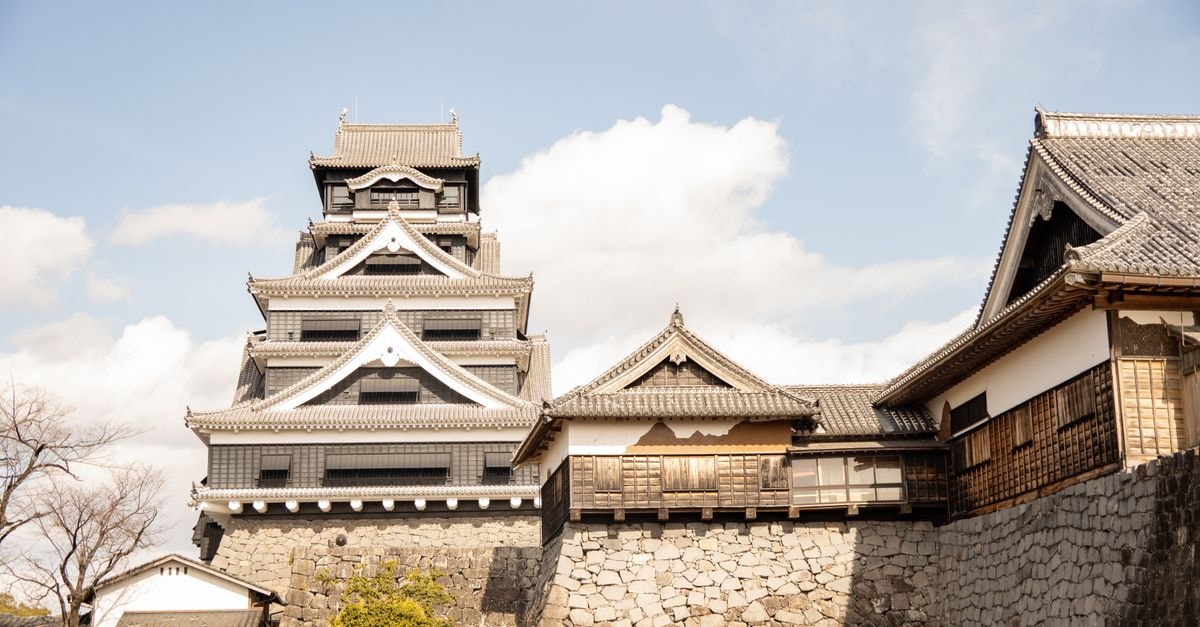
Takayama is a compact mountain city in Gifu Prefecture, set in the Japanese Alps and often nicknamed "little Kyoto" for its preserved historic streetscape. The Sanmachi old town, with its rows of wooden merchant houses, sake breweries, and small museums, anchors most visitor itineraries, and the morning market along the Miyagawa River adds a local-produce dimension just a short walk from the center. Beyond the city itself, Takayama serves as a base for the wider Hida region: the UNESCO-listed gassho-zukuri farmhouses of Shirakawa-go, the alpine ropeway at Shinhotaka, and the hot-spring villages of Okuhida, including Hirayu Onsen and Shinhotaka Onsen, are all within reach by bus.
Getting to Takayama
Takayama Station is the main rail hub, served by the JR Takayama Line and the JR Wide View Hida limited express. From Nagoya, the Wide View Hida covers the journey in roughly 2 hours 20 minutes, while travelers coming from the north typically ride the Shinkansen to Toyama and transfer to the Wide View Hida for the run down into the mountains. The Hida region is also connected by express highway bus, and Takayama's Nohi Bus Center handles departures to Shirakawa-go, Kanazawa, and the Okuhida onsen villages around Hirayu and Shinhotaka. Inside the city, distances are short: the Sanmachi old town and most central sights sit within a few minutes' walk of JR Takayama Station.
Getting Around the City
For the Sanmachi old town, the Miyagawa morning market, and Takayama Jinya, walking is the default. For anywhere farther afield—Okuhida's onsen towns, the Shinhotaka Ropeway, or a day trip to Shirakawa-go—the Nohi Bus network is the practical option. Buses are scheduled around major arrival and departure times, but rural routes run far less frequently than city services, so checking the timetable in advance is worth the effort, especially for late-afternoon returns.
Where to Stay
Accommodation in Takayama clusters in two areas: the Sanmachi old town, where the lane-side atmosphere is the main draw, and around Takayama Station, which is convenient with luggage or for early departures. Across the available listings, nightly rates span a budget tier around USD 21 per night at hostels like Backpackers Hida Takayama in the old town, a mid-range band around USD 150 per night at properties such as Hotel and Spa Gift Takayama near the station, and an upper mid-range level around USD 189 per night at Hida Takayama Washington Hotel Plaza, which sits directly opposite JR Takayama Station and is noted by past guests for its Japanese-style breakfast and a discount at the in-house souvenir shop. Larger chain hotels such as KOKO Hotel Hida Takayama are in the station area, while properties like Hotel Alpha-One Takayama Bypass offer free parking on the city's bypass road. Independent options including K's House Takayama sit in the old town within easy walking distance of the station and main sights.
What to See and Do
The Sanmachi old town's narrow lanes of wooden lattice-fronted shops, working sake breweries, and small museums form the core walking experience. Takayama Jinya, a historic landmark at the edge of the old town, is a frequent starting point for guided tours of the area. For something more focused, the Takayama Showakan is a specialty museum on local performing arts, located in the Shimoichinocho area; the surrounding district lists roughly 200 attractions and several hundred dining options within a 5 km radius, which gives a sense of how compact the sightseeing map really is. Day-trip options include Shirakawa-go's gassho-zukuri houses, Okuhida's open-air hot-spring baths at Hirayu and Shinhotaka, and the Shinhotaka Ropeway for alpine views.
Food and Local Specialties
Hida beef, the regional Wagyu brand, is the headline ingredient and shows up across the city in grilled steak, nigiri, croquettes, and simmered dishes. Hida Takayama ramen is the signature local noodle: a shoyu ramen built on a clear chicken and dried-sardine broth that draws on the mineral-rich spring water of the surrounding mountains. Noted shops include Menya Shirakawa, which serves a thin, curly noodle in shoyu broth, and Tsuzumi-soba, a long-established shop founded in 1951 known for its balanced broth. For a structured introduction to the city's food scene, a guided food-and-culture tour meets at Takayama Jinya and covers local tofu shops, sake breweries, and the morning market, with tastings included. Independent travelers can build a similar circuit by walking the Sanmachi lanes and stopping at the Miyagawa morning market for pickles, miso, and local snacks.
Practical Tips
The city is walkable and orderly, with English signage at major stations and attractions, but the broader Hida region relies on buses that run on fixed schedules, so plan day trips ahead. As anywhere in Japan, being mindful of local etiquette—quiet voices in ryokan, removing shoes where indicated, and queuing for buses—keeps interactions smooth. If exchanging currency, rates fluctuate, so check a live rate before converting or paying.
Disclaimer: Travel conditions change; verify train and bus schedules, attraction opening hours, and booking requirements on official channels before departure.
Share this article
TOOLS FOR THIS PLAN
Make the Takayama plan measurable
Choose a tool only when it answers the next question in your trip. Your values stay in the browser, and each tool offers a route back to this planning context.