A first look at Tripoli
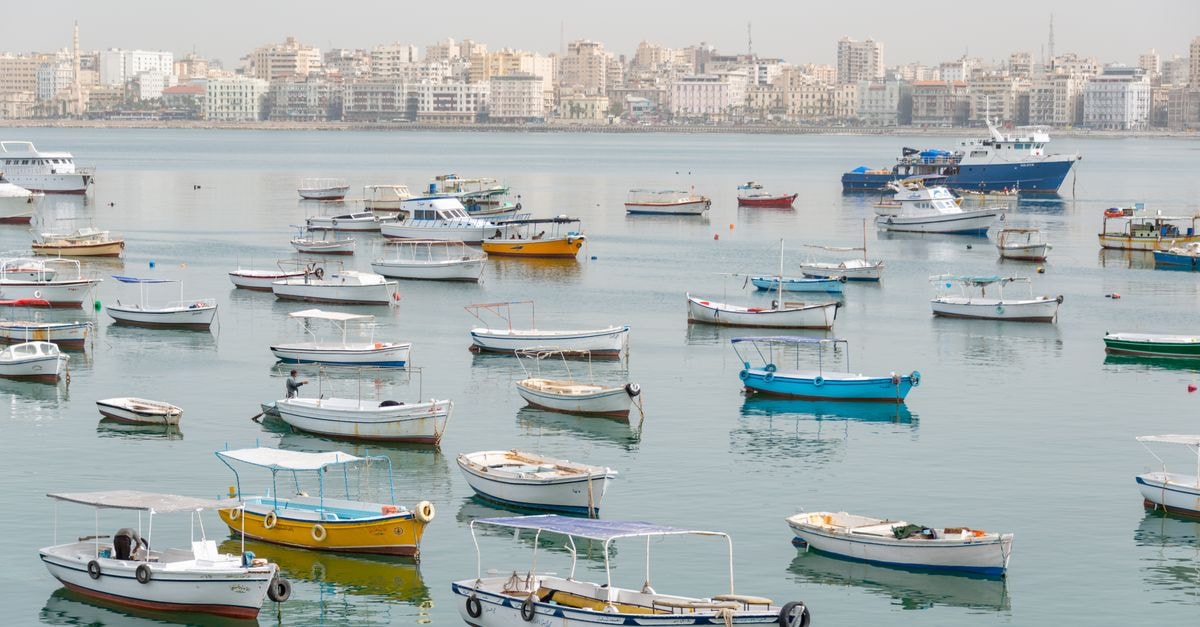
Tripoli sits along the eastern Mediterranean as Lebanon's northernmost seaport, a little over eighty kilometers north of Beirut [F6-1][F6-2]. That geography gives the city a layered personality: a working harbor, dense old quarters threaded with markets, and a creative current that runs alongside the older stones. *F6-1* *F6-2*
This guide gathers what a thoughtful traveler actually needs to plan: a sense of the autumn mood, how the city is best explored on foot, where the cultural energy gathers in October, and the small practicalities that make a short visit feel unhurried. The aim is simple: help you arrive curious and leave with a clearer picture of what Tripoli is, and what it is not.
Weather and seasonal context
October is widely considered one of the more pleasant months to think about a Tripoli trip, though the experience can shift day to day. *F1-2*
Tripoli's setting matters here. As a northern Mediterranean port city, the climate has a maritime softness that travelers often describe as gentler than inland Lebanon, with cooler evenings by the water and warmer afternoons when the sun finds the stone. Because we only have a single, general indication that October is a reasonable month to evaluate for travel, this guide keeps weather advice gentle rather than prescriptive.
A practical mood for the month: - Treat layers as essential rather than optional, since the shift between a sunlit souk and a breezy corniche can be felt within a single walk. - Plan harbor or rooftop moments for late afternoon, when the light over the Mediterranean tends to feel most generous. - If you prefer milder pacing, anchor your days around the old city in the morning, then save any outdoor wandering for the softer hours.
For specific temperatures, rainfall patterns, or sea conditions, treat any number you see elsewhere as something to verify closer to the date rather than as a fixed promise.
Getting around
Tripoli is Lebanon's second largest city, and the experience for a visitor tends to be intensely walkable inside the historic core. *F4-1* *F4-2* The reward for slowing down is the texture of the place: winding market streets, small squares that open unexpectedly, and the quiet surprise of finding a centuries-old facade tucked between more recent buildings.
A few orientation points, all drawn from the city's character rather than any single source: - The old souks are best explored on foot, allowing the sequence of covered passages and open plazas to unfold in its own rhythm. - The harbor and the corniche sit close enough to the historic center that a single day can hold both, with time to linger. - Because Tripoli is positioned as Lebanon's northern seaport, arriving from elsewhere in the country tends to feel like a journey with a clear sense of arrival, not just another stop.
If walking long distances is not ideal for you, consider focusing your day around a single cluster of streets at a time. The market places themselves are the attraction, so covering them slowly is not a compromise; it is the point. *F4-2*
Attractions and planning
Tripoli's attraction layer is unusually rich for a city of its scale. A dedicated Ministry of Tourism guide exists for the city, which is a useful signal that there is a structured way to approach what you see. *F3-1* *F3-2* That guide, available as a downloadable document, is a sensible pre-departure reference for travelers who want to sketch their priorities before arriving.
What the evidence actually supports saying: - The city's identity is built around its historical sites and its market places, and a visit can reasonably be built around both. *F4-2* - Tripoli is consistently described as offering a great Middle Eastern experience, which in practice tends to mean layered architecture, active public spaces, and a sense of everyday life continuing around the monuments rather than behind ropes. *F4-1* - A modest but meaningful cultural calendar runs through the city, with a recent ten-day program of exhibitions, performances, and concerts positioning Tripoli as a creative hub distinct from Beirut. *F5-2*
Because the only directly time-bound cultural reference we have is that general creative-hub framing rather than a confirmed 2026 schedule, treat any specific October event listing you encounter as something to verify with local listings closer to your trip. The promise is structural: Tripoli's cultural scene is increasingly visible, and an October visit can be timed to take advantage of that energy if you check what is running. *F5-2*
For the historical layer itself, the Ministry guide is the most reliable starting point for naming specific sites. *F3-1* The fragments of older architectural references in the wider regional material suggest that the historic center carries layers from the medieval period and earlier Byzantine remains, but rather than piecing those fragments together into a tour plan, the cleaner approach is to let the official Tripoli guide structure your visit and add detail from there. *F3-2*
How to fit the city to your trip
A short note on shaping the visit, since a few supported tradeoffs are worth pulling together.
If your interest leans toward old architecture and covered markets, plan your days around the historic core on foot, accepting that surfaces are uneven and distances inside the souks feel longer than they look; this is the part of Tripoli most visitors remember. *F4-2* If your interest leans toward contemporary culture, an October visit is a sensible time to be in the city, since this is when its creative programming has recently taken visible shape, though specific dates and venues should be confirmed locally before you build an evening around them. *F5-2* And if your interest is in the coast itself, the harbor sits close enough to the old quarter that a single afternoon can hold sea air, souk winding, and a slower coffee without a long transit in between. *F6-2*
The honest synthesis: Tripoli rewards travelers who come for one strong thread and let the others weave in around it, rather than trying to cover everything in equal measure. The city's compactness makes that easier than it sounds.
A small verification note before you go
Two practical checks are worth doing closer to your trip, because the evidence available for this guide is structured rather than operational. First, confirm the current status of the October cultural programming you hope to catch, since the only confirmed reference describes the concept of a ten-day program positioning Tripoli as a creative hub rather than a fixed 2026 schedule. *F5-2* Second, verify the practical opening details for any specific site you plan to visit through the Ministry of Tourism guide and any local updates, since hours and access can shift. *F3-1*
Travel conditions change. Currency values, transport details, opening hours, and event programming should always be cross-checked through official channels before departure, and any decision worth money or time deserves that final confirmation.
--- *Tags in production: Tripoli travel guide, things to do in Tripoli Lebanon, visiting Tripoli Lebanon, best time to visit Tripoli, Lebanon northern coast, Tripoli souks, October cultural calendar.*
Share this article
TOOLS FOR THIS PLAN
Make the Tripoli plan measurable
Choose a tool only when it answers the next question in your trip. Your values stay in the browser, and each tool offers a route back to this planning context.