A grounded first look at Yinchuan

Yinchuan sits on the Bao-Lan rail corridor, which quietly turns the city into a kind of inland crossroads rather than a back-of-the-map destination. That single railway line, paired with a secondary route that links Yinchuan Province and Shaanxi Province, gives the city a longer reach than its size suggests. For a traveller, this often shows not in dramatic station architecture but in the simple fact that arriving by rail is straightforward, and that the city is plugged into national networks rather than sitting on a branch line.
The flip side is that once you are on the ground, the city feels unusually quiet on the transit front: there is no metro or tram system running beneath or alongside the streets. Movement here is shaped by surface transport, by taxis, and by the rhythm of a city whose hubs sit around the railway station and its central business districts. That is the practical context to keep in mind before thinking about anything else.
Arriving by rail
The Bao-Lan Railway, running between Baotou and Lanzhou, threads through Yinchuan Railway Station and connects to most main rail lines reaching the coastal ports. In practice, this means that reaching Yinchuan from many parts of China tends to involve a single, well-marked train rather than a string of transfers. For independent travellers building a route across northern or central China, the station works as a natural anchor point.
Getting around the city
Once you have arrived, the most important thing to internalise is that Yinchuan does not currently run a metro or tram system. There is no underground line to learn, no interchange map to memorise, and no rapid transit shortcut between distant neighbourhoods. Visitors who arrive expecting a tier-one-city transit experience tend to over-plan their days here, when in reality the city is built around surface transport.
Key transport nodes tend to cluster around a few familiar anchors. Yinchuan Train Station acts as a focal point on one side of the city, while the central business district and surrounding commercial areas pull together hotels, offices and services in the core. For travellers, this clustering is friendly: most of what you need on a short stay is reachable within a compact zone, and taxi rides between the main anchors tend to be short rather than long-haul. If you base yourself near the station or near the central business district, you can keep taxi use minimal and still move easily.
Attractions and planning
Cultural context is one of the strongest reasons to slow down in Yinchuan, and two stops stand out for their different kinds of weight.
Ningxia Museum is a sensible opening move. Entry is free, which removes one logistical decision, and it gives you a structured way to read the region before you start wandering through it. Ningxia sits at a cultural meeting point of Han, Hui and Western Xia layers, and a museum visit is the fastest way to put names and dates to the place names you will hear elsewhere in the city. If you only have time for one indoor stop on arrival day, this is the most efficient use of an hour or two.
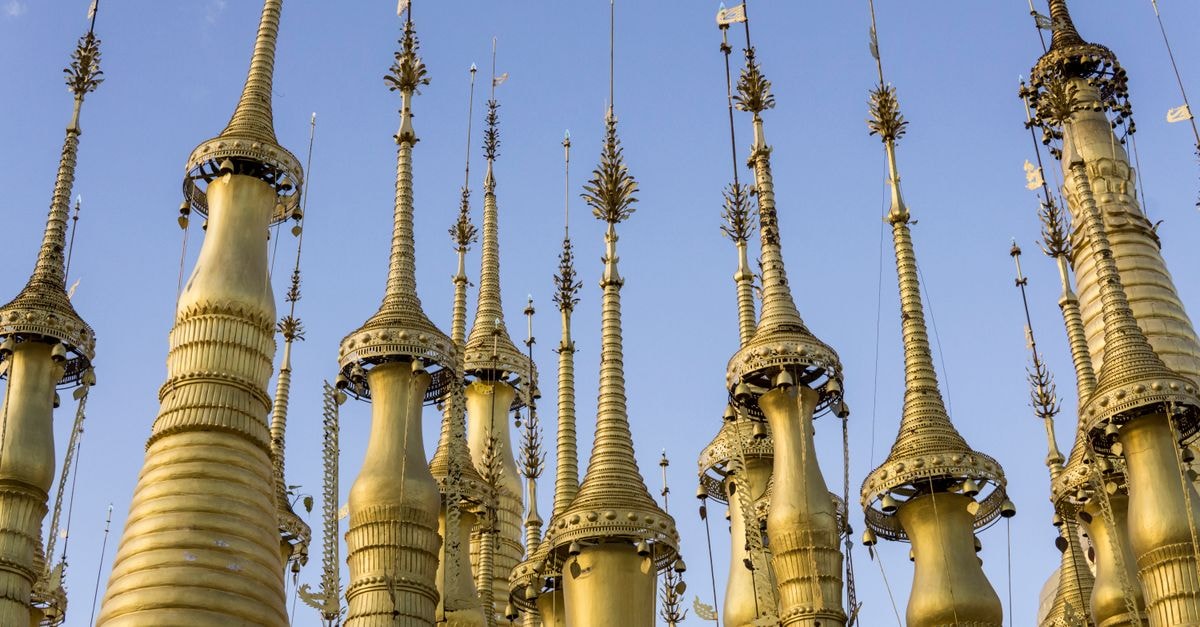
The Western Xia Tombs sit in a different register. They are a UNESCO World Heritage Site candidate, which signals both their formal significance and their ongoing international review. Visually, the site has the kind of sweeping, partially ruined atmosphere that tends to stay with visitors long after they leave. Allow time not just for the main mausoleums but for the sense of scale across the complex: this is a site that rewards unhurried walking rather than a quick photo stop.
A practical rhythm for a short stay is to start with the museum for orientation, then move to the Western Xia Tombs when you are ready for a longer, quieter outing. Pairing the two also helps you read the city more confidently on the days in between, because you already have a framework for what you are looking at.
Pacing and practical mindset
Yinchuan rewards a slower, more deliberate pace than its size might suggest. Because there is no metro to chase, the temptation is to over-schedule a short stay and end up rushing between points that are, in reality, fairly close to one another. A better approach is to choose two or three anchors and give each one real time rather than stacking thin visits.
It also helps to think of Yinchuan as a city of layers rather than a checklist. The rail heritage, the museum context, the imperial tombs, and the everyday Hui and Muslim cultural presence are not competing items on a to-do list but different lenses on the same place. Letting those layers overlap, rather than treating each attraction as an isolated stop, tends to produce a more satisfying sense of arrival.
A note before you go
Transport details, museum opening arrangements, and tomb-site access conditions can change, and seasonal factors may affect opening hours and visitor flow at the Western Xia Tombs in particular. Treat the practical points in this guide as a starting framework rather than a fixed itinerary, and confirm current arrangements through official channels before you travel. Factual conditions on the ground are always more reliable than any guide, however recent.
Share this article
TOOLS FOR THIS PLAN
Make the Yinchuan plan measurable
Choose a tool only when it answers the next question in your trip. Your values stay in the browser, and each tool offers a route back to this planning context.