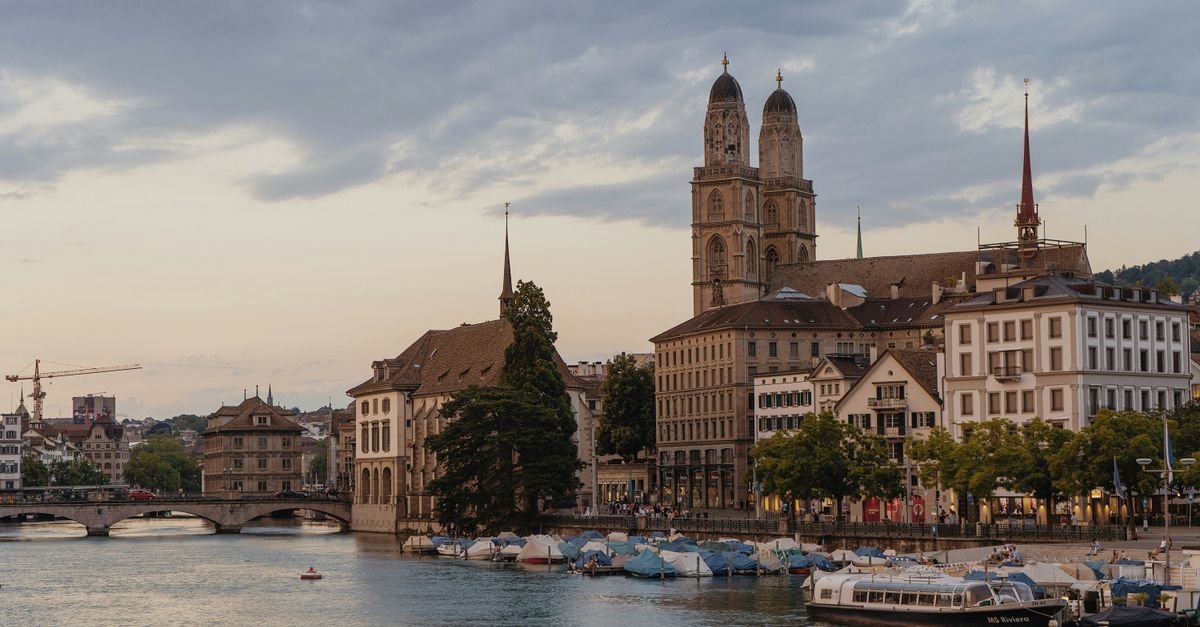
A first impression of Zadar

There is something quietly cinematic about arriving in Zadar for the first time. The compact old town sits on a narrow peninsula, jutting into the Adriatic with stone walls on one side and the open sea on the other, and the feeling the city gives you is one of stepping into an outdoor gallery rather than a typical beach stop. The local tourism board describes Zadar as both an atmospheric time machine and an open-air museum, and that framing tends to land the moment you wander off the main drag and find yourself in a quiet square bordered by Roman ruins. The city carries some of the most beautiful monuments of architecture and cultural heritage of the eastern Adriatic coast, which means the sightseeing here is woven into the everyday streets rather than locked behind a single ticket gate.
What makes Zadar work as a base, especially for travelers who like to balance culture with coast, is how walkable the peninsula is. Most of the things you will want to see sit within a short stroll of one another, the sea is almost always in view, and the regional food culture rewards anyone who treats meals as part of the itinerary rather than a break from it. The guide below sticks to what is genuinely useful on the ground: how to move around, what kind of place you are walking through, and how the local table is shaped by its surroundings.
Getting around the city
Zadar's compact layout rewards walking, but the city also runs a proper local bus network that connects the wider urban area beyond the peninsula. Public city transport is organized through a total of 11 lines currently with 16 buses, and the existing lines cover all parts of the city of Zadar. In practical terms, that means once you step out of the old town peninsula toward the bus station, the newer neighborhoods, or the coastal districts on either side, the local network is the simplest way to keep your day moving without relying on taxis for every short hop.
For most first-time visitors, the rhythm is simple: walk the old town on foot, save the bus for trips to outlying beaches, the main bus station for intercity connections, or districts that sit a little further from the center. Because the network covers all parts of the city, you do not need to plan a separate car rental just to see the urban area, and you can keep your attention on the streets themselves rather than on parking.
Attractions and planning
The way to approach Zadar is to treat the whole peninsula as the attraction, then layer in the specific monuments and squares that interest you. The city's own positioning as an open-air museum is a useful clue: you will not find a single headline sight that defines the trip, but you will find a dense walkable ensemble where churches, Roman remains, city gates, and seafront promenades sit within a few minutes of each other.
A few practical points help when you plan. Sightseeing here works well as a half-day or full-day loop around the peninsula, with stops at the church-lined squares, the waterfront, and the quieter lanes on the landward side. Because the core is so compact, it is easy to slow down and revisit favorite corners at different hours, especially in the softer light at the edges of the day when the stone takes on a warmer tone. The city is also a rewarding base if you want to pair culture with coast, since the seaside is never out of sight and the bus network lets you reach wider coastal stretches beyond the old town.
The general guidance from regional listings simply frames Zadar as a destination with a wide spread of things to do, which matches the on-the-ground reality: there is more here than a single checklist, and the pleasure is in the layering rather than in racing through a queue.
Food and local context
Food is one of the most direct ways to feel a place, and Zadar is a particularly good example of that. The city is a typical representative of Dalmatia and the wider Mediterranean, and the regional cooking here is often described as the healthiest cuisine in the world, included on UNESCO's list of intangible heritage. That context is worth holding onto before you sit down to eat, because it reframes the menu from a list of dishes into a coherent regional cuisine built on a small set of strong local ingredients.
In the region, fish, wine, and olive oil make up the so-called holy trinity of the diet, and that combination shows up everywhere from a simple grilled fish with a glass of local white to more elaborate plates that layer olive oil across almost everything. Zadar's traditional cuisine takes its name from the Dalmatia region, and it is a unique representative of Mediterranean cooking on this stretch of the coast. Because Zadar is a coastal city in the middle of the Adriatic, that geography defines what shows up on the table: seafood in many forms, olive oil as a default rather than a finishing touch, and wines that pair naturally with the rest of the plate.
A useful way to read the food scene here is through the traditional inns and tastings, known locally as konobe and kušaone, which are part of how the region presents its gastronomy. Travelers who want more than a beautiful coastline often find that the food experiences are as memorable as the views, and the strongest meals tend to be the ones that lean into the local trinity rather than trying to imitate a big-city menu. As a wider note for visitors, Croatian dining culture more broadly rewards unhurried meals, conversation over the table, and a willingness to ask what is fresh that day, all habits that fit naturally with Zadar's slower, layered rhythm.
A few grounding reminders
Because the city is so compact and the cultural layer so dense, it helps to plan less than you think you need to. Pick a small number of sights you genuinely want to see, leave generous room for wandering, and let the food and the seafront fill the rest of the day. Use the bus network when a destination falls outside the peninsula, and treat the regional table as an extension of the sightseeing rather than a separate activity.
Factual travel conditions can change at any time, so before you set off it is always worth checking the official Zadar tourist board channels, the local bus operator for current line information, and your accommodation for any updates that affect your specific dates. Rates, schedules, and opening arrangements are best confirmed close to your trip, even when the rest of the guide is written to be useful year-round.
Quick reference
- **Vibe:** Compact Adriatic old town with a layered, museum-like atmosphere and a strong regional food culture. - **Getting around:** Walk the peninsula; use the local bus network for the wider city. Public city transport runs 11 lines with 16 buses covering all parts of the city. - **Planning tip:** Treat the whole old town as the sight, then choose a few specific monuments or squares to focus on. - **Food focus:** Regional Dalmatian and Mediterranean cooking built around fish, wine, and olive oil, often explored through traditional inns and tastings.
Prices, opening hours, schedules, reservation rules, and local conditions can change; verify them through official channels before departure.
Share this article
TOOLS FOR THIS PLAN
Make the Zadar plan measurable
Choose a tool only when it answers the next question in your trip. Your values stay in the browser, and each tool offers a route back to this planning context.