Weather Forces Another Delay

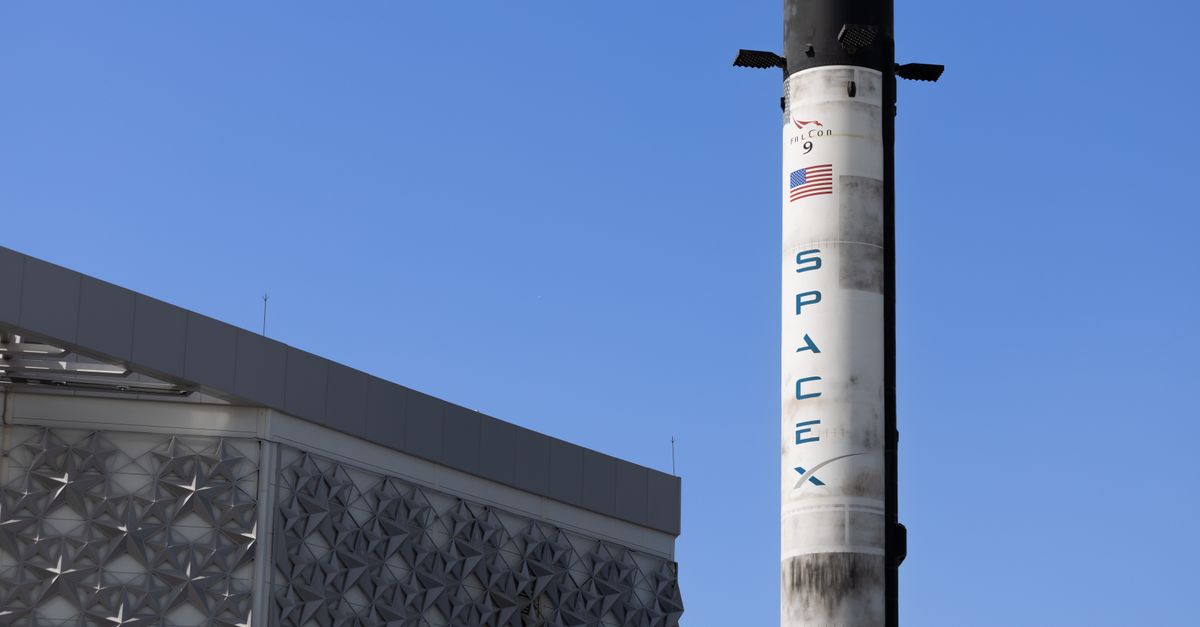
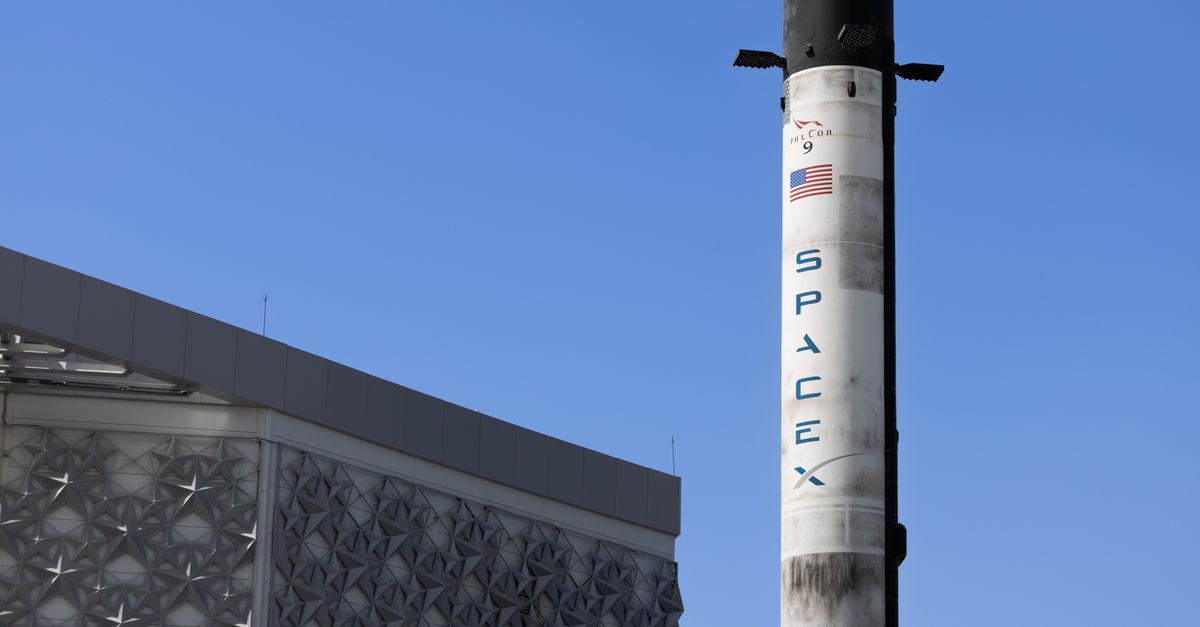
SpaceX pushed the 13th integrated flight test of Starship and the Super Heavy booster to Friday evening after weather tied to Tropical Storm Bertha forced a scrub of the Thursday launch attempt. The company confirmed the slip on X, stating that cloud cover over South Texas would prevent ground-based cameras from capturing clear images of Starship's heat shield during ascent through maximum dynamic pressure. A new 90-minute launch window opens Friday at 6:45 p.m. EDT (5:45 p.m. local time) from Starbase in Boca Chica, Texas, with SpaceX saying visibility is forecast to improve. The mission had already been scrubbed several times because of earlier weather concerns.
Hardware Fixes Preceded the Scrub
The weather-related delay came less than a week after SpaceX addressed a separate hardware issue from an earlier attempt. On July 16, four of Booster 20's 33 Raptor engines failed to ignite, triggering an automatic abort at T-0. Elon Musk said on X that two Raptors would need to be removed and replaced, and engineers spent the following week destacking Ship 40 and Booster 20, swapping engines, and running leak checks before restacking the vehicle at Pad 2 on Wednesday night. SpaceX also implemented changes to the ship's startup sequence and adjustments to Raptor engines on both the booster and upper stage to address engine performance issues observed during boost back and relighting in the 12th flight test.
Mission Profile and Payload
Flight 13 is the second outing for the V3 versions of Starship and Super Heavy, following their debut on Flight 12 in May. The mission is set to deploy 20 production Starlink V3 satellites — SpaceX's first flight of an operational satellite payload on Starship rather than mass simulators. Six of the satellites carry cameras intended to inspect the heat shield from a different angle during ascent, giving engineers a secondary data source in addition to ground-based imagery. Booster 20 will attempt a boostback burn and a splashdown landing burn in the Gulf of Mexico, while Ship 40 follows a suborbital trajectory toward a controlled entry and splashdown in the Indian Ocean. The heat shield incorporates load-sensing tiles meant to measure stress at the higher dynamic pressure SpaceX is targeting. Teslarati reported that, if Friday's attempt succeeds, Flight 13 could be the last suborbital test before SpaceX pushes for an orbital flight on Flight 14.
Short Sellers Press the Stock
SpaceX shares traded around $118, roughly 13% below the $135 IPO price set on June 12 and nearly 40% off the stock's all-time high near $202, according to a July 24 report from news.bitcoin.com. Upday, citing data from S3 Partners, reported that short positions had surged to 32% of SpaceX's floating stock, equivalent to about 206 million shares and a notional bet of roughly $25 billion. The short interest has climbed sharply from a 5–7% range a month earlier, reflecting investor skepticism as SpaceX's market capitalization slipped below $1.5 trillion. SpaceX's prospectus disclosed $19 billion in revenue against $5 billion in net losses, and the company issued $25 billion in corporate bonds one week after its debut to refinance a bridge loan. Musk has publicly pushed back against the short-selling community on X, writing that "the probability of survival of firms that maintain a significant short position in SpaceX over time is very low." Investors are watching the company's second-quarter earnings report, scheduled for August 4, and the staggered expiration of lock-up periods in August, which could release about 911.5 million shares worth roughly $116 billion into circulation.
Share this article