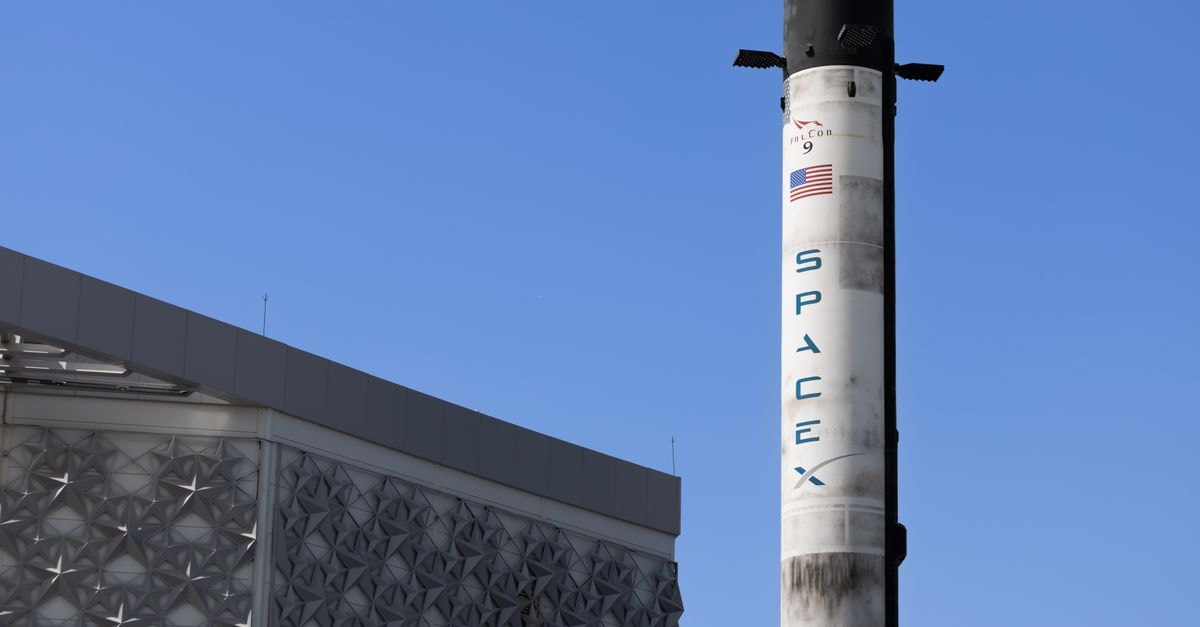
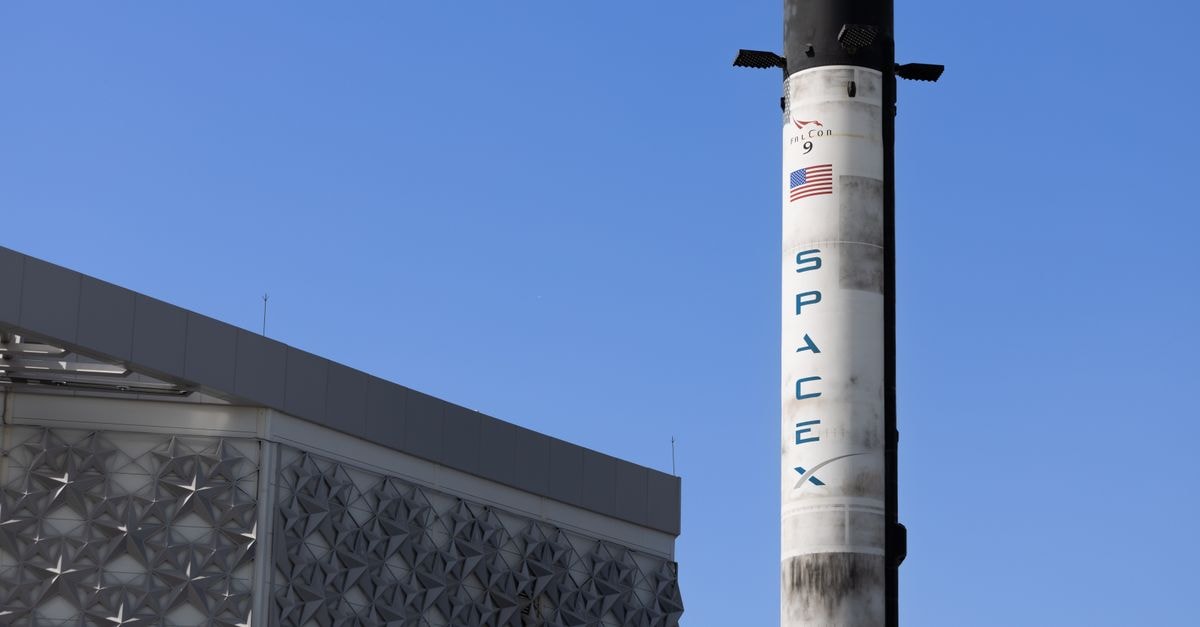
Test flight completes with first intact splashdown

SpaceX's Starship completed its 13th integrated test flight on Friday, July 24, with the upper stage touching down largely intact in the Indian Ocean — the first time a Starship vehicle has been recovered from water without exploding. The 407-foot (124-meter) rocket lifted off from Starbase at the southern tip of Texas at 5:51 p.m. local time, roughly an hour before splashing down more than 10,000 miles from the launch site. SpaceX communications manager Dan Huot called it the softest splashdown yet for Starship, while Elon Musk posted on X that the ship was "intact, floating in the ocean and transmitting telemetry." The mission was the second flight of the upgraded Version 3 configuration and SpaceX's first Starship test since the company's record initial public offering in June.
Booster recovery falls short of full target
While the Starship upper stage performed as intended, the Super Heavy booster did not complete a controlled return. SpaceX replaced six of the booster's 33 Raptor engines after a July 16 launch abort triggered by engine ignition failures, and all 33 engines fired at liftoff. During the descent burn, however, only eight of the 13 engines intended to relight for landing ignited, according to SpaceX, causing the booster to descend too quickly and slam into the Gulf of Mexico rather than execute a soft splashdown or the midair catch the company has previously demonstrated. Huot said the team had targeted a softer landing than what occurred.
Starlink V3 satellites deployed and tested
About 18 minutes into the flight, Starship used its Pez-like dispenser to release 20 Starlink V3 satellites roughly 124 miles (200 kilometers) above Earth, the first flight test of the next-generation spacecraft built at SpaceX's Redmond, Washington facility. The new satellites feature solar arrays that generate roughly twice the power of earlier generations, and SpaceX said all 20 established laser communications with the broader constellation before reentering over the Indian Ocean within about 20 minutes. Six of the satellites carried cameras intended to photograph Starship's heat shield during descent, returning high-definition footage of the vehicle floating after touchdown.
Heat shield and reentry experiments
Engineers equipped the heat shield with pressure sensors and deliberately painted some black thermal tiles white to simulate missing tiles, part of an experiment aimed at validating the shield's robustness before SpaceX attempts to catch Starship at the launch pad. SpaceX described the reentry as the best yet for the vehicle, with the stainless-steel spacecraft hovering upright before dropping into the ocean. "We got all the heat shield data we needed and then some," Musk wrote on X after splashdown. The flight also tested an in-space engine relight on the upper stage.
NASA Artemis program and lunar contract context
NASA monitored the mission closely because Starship is contracted to serve as the human landing system for the Artemis program, with roughly $4 billion in related NASA awards held by SpaceX. NASA Administrator Jared Isaacman shared an image of Starship passing the Moon and said he was "excited for what will be learned from this mission." Before astronauts fly on Starship, a modified V3 is expected to dock with Orion in Earth orbit during the 2027 Artemis III mission, with crew practice docking maneuvers ahead of a planned lunar landing as soon as 2028. SpaceX is also preparing Florida launch infrastructure, with the company stating that a first launch from Kennedy Space Center Pad 39A could occur by the end of the year.
Market reaction and investor sensitivity
The successful flight came as SpaceX shares continued a multi-week slide that has left the stock well below its $135 IPO price. Shares closed 3% lower in regular U.S. trading on Friday and are down roughly 25% over the prior month, or about 43% from their June 16 peak close, with prior mission delays cited as a factor in investor unease. Reporting earlier in the week said SpaceX has stopped taking reservations from satellite operators for dedicated Falcon 9 rides to orbit beyond 2028, underscoring the commercial pressure on Starship to reach a rapid reuse cadence. The company has spent more than $15 billion developing Starship, which Musk has predicted will be fully reusable before the end of the year.
Share this article