Catch up on the essentials
- Boeing’s 737 production moved toward a rate of 47 aircraft per month in the second quarter of 2026, according to the company’s investor materials as reported in The Aviation Hub.
- Boeing brought the 737 North Line in Everett, Washington, into low-rate initial production in July 2026, according to its investor materials.
- The FAA issued Boeing an amended type certificate for the 737-7 on August 3, 2026, ending a test program that had begun in 2018.
Selected from this article · 2026-11-02
Read on for the full pictureBoeing raises 737 output toward 47 monthly aircraft
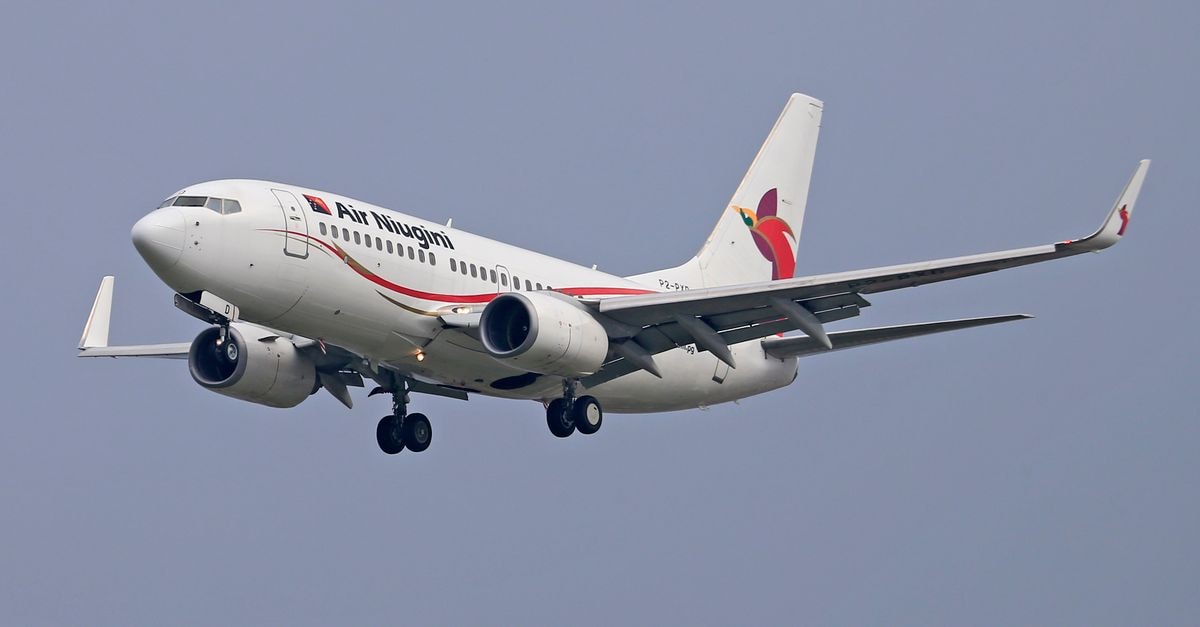
Boeing’s 737 production moved toward a rate of 47 aircraft per month in the second quarter of 2026, according to the company’s investor materials as reported in The Aviation Hub. That represented a recovery from the FAA-imposed ceiling of 38 aircraft per month introduced in early 2024 following the Alaska Airlines Flight 1282 incident. The ceiling was removed in October 2025, allowing output to rise to 42 aircraft per month.
The company’s second-quarter investor report said Boeing delivered 171 commercial aircraft across its full product range during the quarter. That total covers multiple commercial programs and is not a 737-only delivery figure. FAA Administrator Bryan Bedford said the agency was comfortable with rates of 42 to 47 aircraft per month and anticipated further increases, although the reviewed material did not establish that additional increases occurred.
Everett North Line begins low-rate production
Boeing brought the 737 North Line in Everett, Washington, into low-rate initial production in July 2026, according to its investor materials. The facility is the first site outside Renton, Washington, to manufacture 737 aircraft, expanding Boeing’s production footprint rather than solely increasing the pace at an existing plant.
Low-rate initial production does not complete the facility’s regulatory clearance. The North Line must receive its own FAA production certification before aircraft assembled there can be delivered to customers, and the reviewed material did not provide a certification timetable.
FAA certifies the 737-7 for service
The FAA issued Boeing an amended type certificate for the 737-7 on August 3, 2026, ending a test program that had begun in 2018. The agency also revised Boeing Production Certificate No. 700 to cover the variant. Boeing said Southwest Airlines would be the first carrier to take the 737-7 into service.
The 737-7 is configured for 135 to 160 passengers in a two-class layout and has a range of up to 3,800 nautical miles. Boeing says the aircraft delivers 20% lower fuel consumption and carbon dioxide emissions and a 50% smaller noise footprint than predecessor aircraft. Those figures represent Boeing’s product claims rather than independently verified operating results.
737-10 approval meets broader production constraints
The 737-10 received FAA certification on October 20, 2026, according to the reviewed context reporting, clearing a regulatory hurdle for the largest MAX variant, which is designed to carry up to 230 passengers. That approval does not resolve Boeing’s wider production and delivery constraints.
Boeing reportedly missed its 2026 target of 500 jet deliveries and moved its goal of reaching 47 aircraft per month to early 2027, citing wing-production and fuselage-assembly bottlenecks. Management also said it was targeting $3 billion of free cash flow for 2027. These are management targets rather than realized results.
Follow-up signals
The next verifiable milestones are the North Line’s own FAA production certification and evidence of whether Boeing can sustain rising 737 output and meet delivery commitments. The reviewed reporting did not provide a North Line certification date or confirm that the higher production rate had been achieved by the knowledge cutoff of November 2, 2026.
Share this article