Catch up on the essentials
- Wells Fargo analyst Steven Cahall, speaking on a CNBC segment dated September 8, argued that SpaceX's wireless build will weigh on incumbent carriers while leaving tower real-estate investment trusts (REITs) positioned to "quietly" collect rent on infrastructure SpaceX still has to lease.
- Satellite-plus-spectrum architecture requires far less ground infrastructure than a traditional wireless network, and SpaceX's femtocell-and-rooftop approach would let the company serve customers with a thinner tower footprint.
- The Federal Communications Commission has cleared SpaceX to absorb 65 MHz of EchoStar's U.S. spectrum, with management planning to integrate that airwaves "later next year" and build terrestrial hardware alongside the constellation.
Selected from this article · 2026-09-10
Read on for the full pictureWells Fargo Frames SpaceX Wireless as a Carrier Threat, Not a Tower Killer

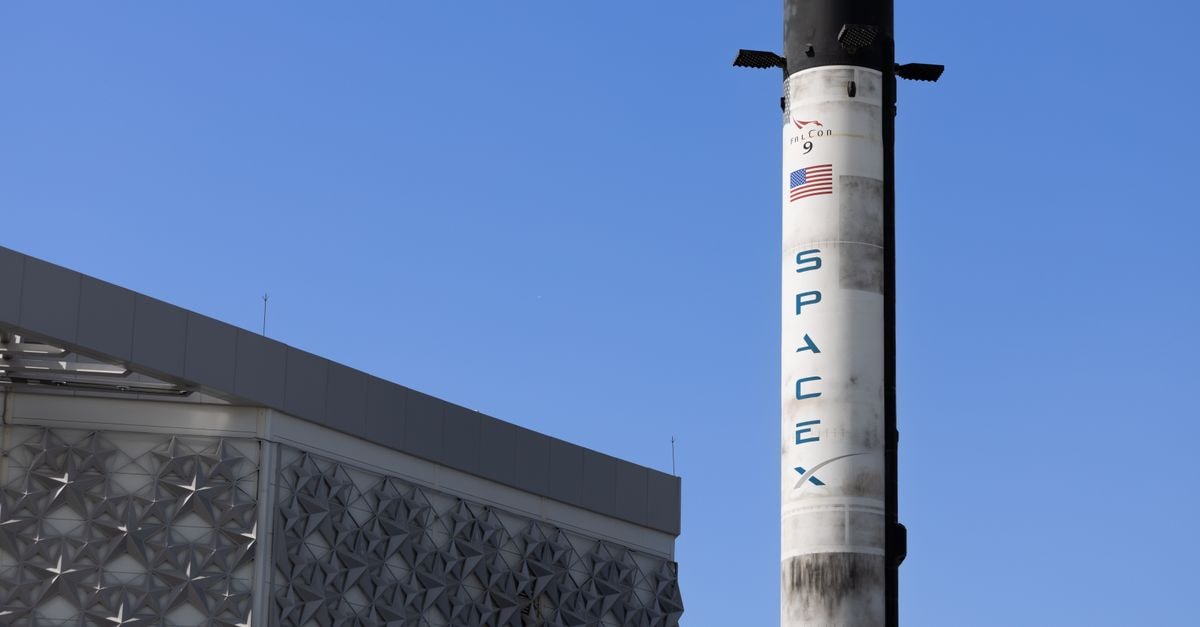
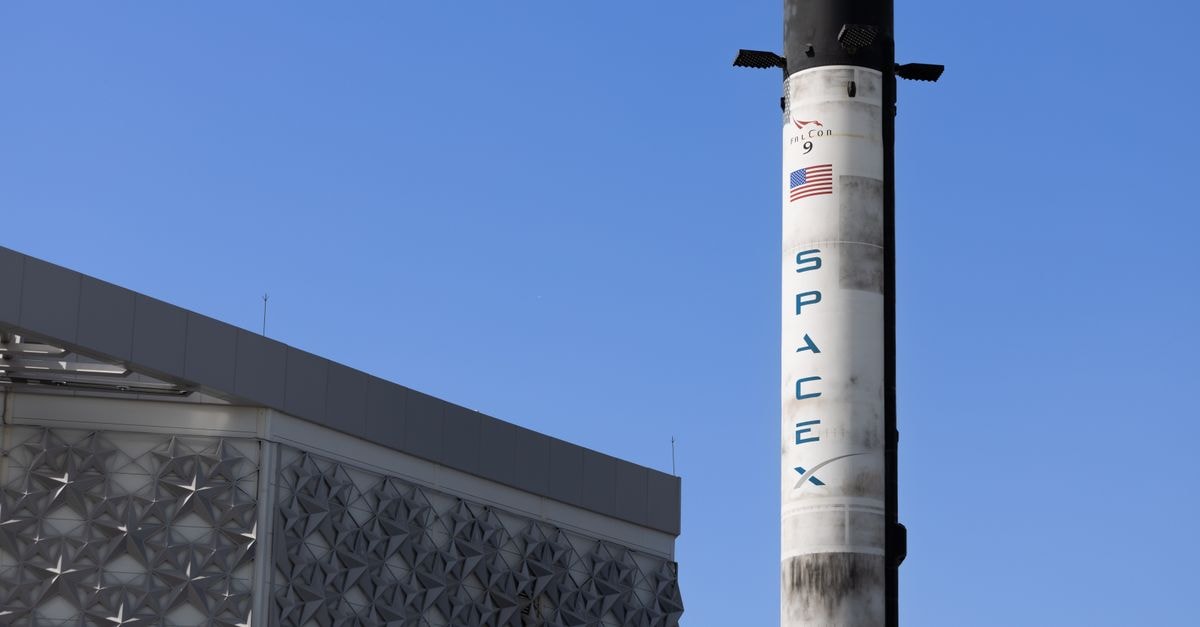
Wells Fargo analyst Steven Cahall, speaking on a CNBC segment dated September 8, argued that SpaceX's wireless build will weigh on incumbent carriers while leaving tower real-estate investment trusts (REITs) positioned to "quietly" collect rent on infrastructure SpaceX still has to lease. "Telco just facing another competitor, a three player market going to a much smaller fourth player. That's still a net negative for sure," Cahall told CNBC.
Why the Pain Hits Carriers First
Cahall broke from the standard fourth-carrier framing, saying the threat is not driven by carrier economics but by "ulterior long term technology motives." Satellite-plus-spectrum architecture requires far less ground infrastructure than a traditional wireless network, and SpaceX's femtocell-and-rooftop approach would let the company serve customers with a thinner tower footprint. The competitive pressure shows up first in pricing and margin, with wholesale subscriber loss a slower, secondary risk.
Spectrum and Subscriber Scale Behind the Call
The Federal Communications Commission has cleared SpaceX to absorb 65 MHz of EchoStar's U.S. spectrum, with management planning to integrate that airwaves "later next year" and build terrestrial hardware alongside the constellation. Starlink subscribers doubled year over year to 12.0 million as of Q2 2026, and SpaceX's Q2 connectivity revenue reached $4.29 billion, up 66% year over year, giving Cahall a measurable base for the disruption thesis.
Where Wells Fargo Sees the "Quiet" Profits
Crown Castle (NYSE:CCI) was flagged by Cahall as a quiet winner, collecting tower rent at a 5.5% yield while T-Mobile faces the steepest competitive threat. The argument extends to cable: Charter added 406,000 mobile lines with 18.9% revenue growth, while Verizon's fixed-wireless additions fell 31% year over year, evidence Cahall cited for a cable-wins, carrier-loses dynamic already visible in operating numbers.
Caveats Around the Tower and Cable Trade
Even on Cahall's thesis, the SpaceX femtocell-and-rooftop approach needs far less ground infrastructure than a traditional carrier, which the report flags as a key reason tower and cable benefits may not materialize fully. The reframing still leaves carriers facing a new competitor at the same time wholesale pricing is already under pressure, leaving the magnitude of tower-lease uplift as the unresolved question.
Next Verifiable Milestone
The next data point is SpaceX's integration of the 65 MHz EchoStar spectrum, which management has said it plans to complete "later next year," and subsequent Starlink subscriber updates that will test whether the doubled-to-12.0-million base continues to scale.
Share this article