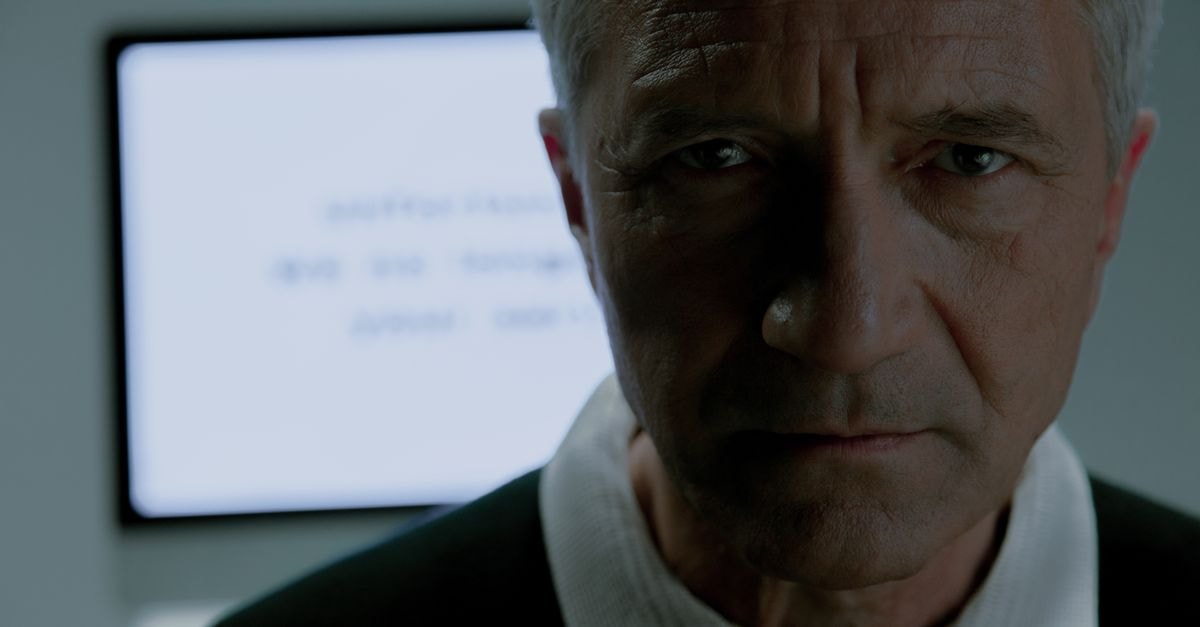
Production filmed across multiple countries including Western Sahara

Christopher Nolan's The Odyssey, with an estimated budget of $250 million and described as the most expensive film of the director's career, was partly filmed in Western Sahara. Scenes were shot at the White Dune near the city of Dakhla, a scenic stretch where the Sahara Desert meets the Atlantic Ocean, an area Moroccan authorities have promoted as an emerging international tourism destination and a magnet for kitesurfers, birdwatchers and tourists. The film was produced across Greece, Italy, Iceland, Scotland, Morocco and Western Sahara, released on July 17 and marketed as one of Hollywood's biggest cinematic events of the year.
FiSahara leads criticism of production
The Western Sahara International Film Festival FiSahara, an advocacy-focused festival held in Sahrawi refugee camps in Algeria that uses cinema to raise awareness of the Western Sahara conflict and amplify Sahrawi voices, has led opposition to the location choice. The organization argues that filming in Moroccan-controlled Western Sahara without the consent of the Sahrawi people helps normalize Morocco's administration of a territory whose final status remains unresolved under international law. FiSahara organized an open letter signed by filmmakers, actors and human rights advocates calling on Christopher Nolan and Universal Pictures to engage with the Sahrawi perspective, warning that high-profile productions risk legitimizing Morocco's control over the disputed territory.
Western Sahara's enduring territorial dispute
Western Sahara remains one of Africa's longest territorial disputes, with Morocco and the Polisario Front both contesting sovereignty. Spain withdrew its rule amid increasing resistance from the Polisario independence movement, after which Morocco ushered in 350,000 Moroccans in a demonstration known as the Green March. Neighboring Mauritania laid claim to part of the territory but withdrew by the end of the decade under military pressure from the Polisario Front. After conflict between Moroccan forces and Polisario fighters, a ceasefire was agreed in the 1990s under UN auspices that envisioned a referendum on independence for the Sahrawi people; the vote never took place.
Geopolitical stakes and international backers
The dispute involves contrasting positions from international actors: the United States backs Morocco's sovereignty claim, while the United Nations and European Union support a UN-led process for self-determination. Critics of the production say the location choice carries significant political implications beyond the film's artistic merits, and the controversy has thrust the disputed region back into the global spotlight, highlighting how international entertainment, investment, and geopolitics increasingly intersect on the African continent.
Share this article