
NEW ON STEAM
ploink




At a glance
ploink game facts
Steam store information checked 2026-08-26。- Studio
- Pyrocreep Published by Pyrocreep
- Release
- Aug 17, 2026 Released
- Official genres
- Casual · Indie · Simulation · Strategy
- Play mode
- Single-player
- Desktop platforms
- Windows
- Steam Deck
- Playable Some controller prompts do not match Steam Deck controls.
- Controller
- Not listed
- Steam features
- Achievements · Cloud · Family Sharing
- Languages
- 1 listed languages English
What that means for your setupPloink is made and published by Pyrocreep, releasing on August 17, 2026 on Windows only. It is a single-player experience tagged as Casual, Indie, Simulation, and Strategy, and it offers Steam Achievements, Cloud saves, and Family Sharing while shipping in English. Steam Deck status is listed as Playable, though Pyrocreep notes that some controller prompts do not match the Deck layout, which is worth knowing before you rely on the touchpad. Official controller support is not listed, so a mouse and keyboard is the most reliable way to play. There is no Early Access tag on the page; the build on the store is treated as the full release.
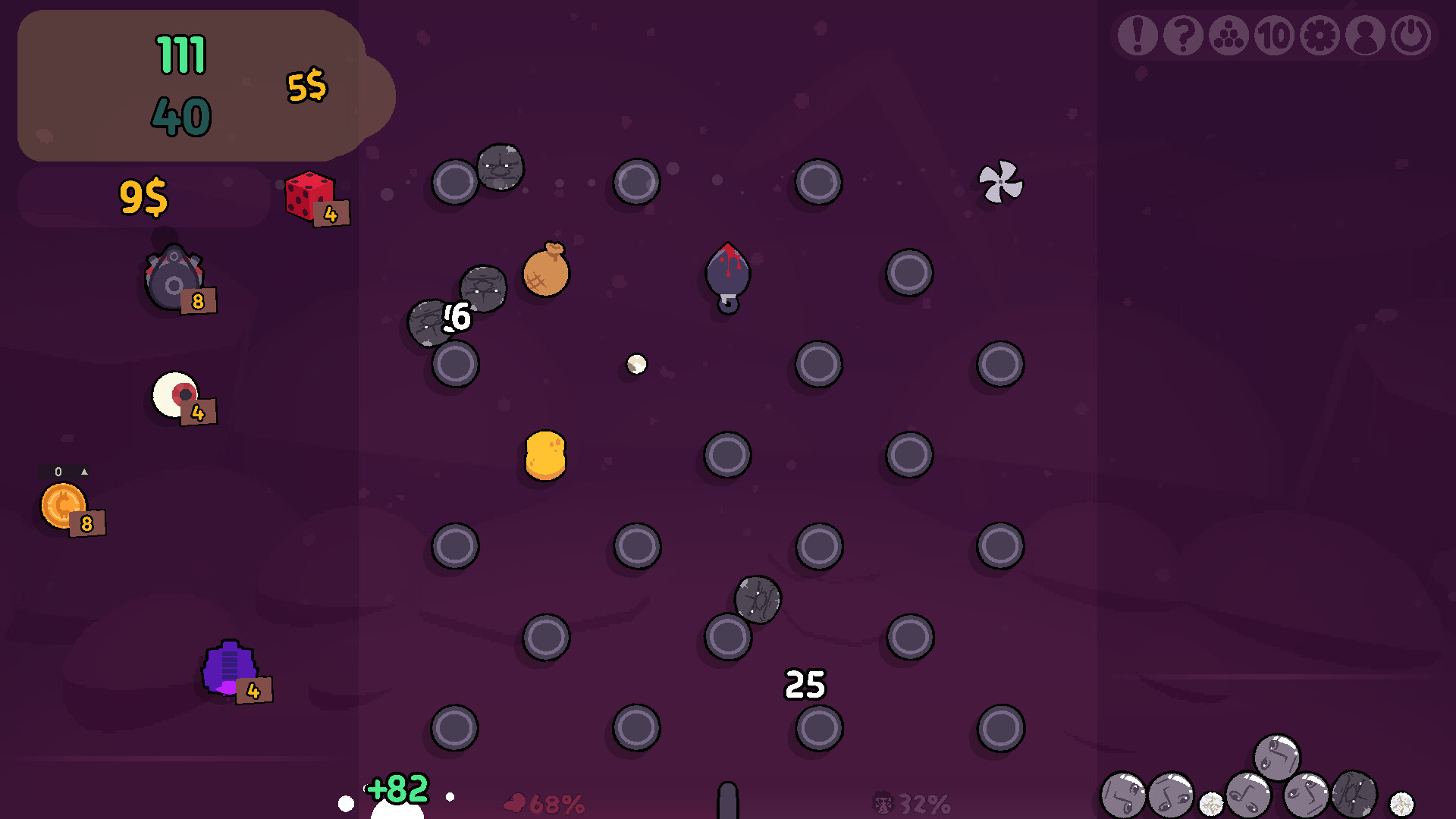
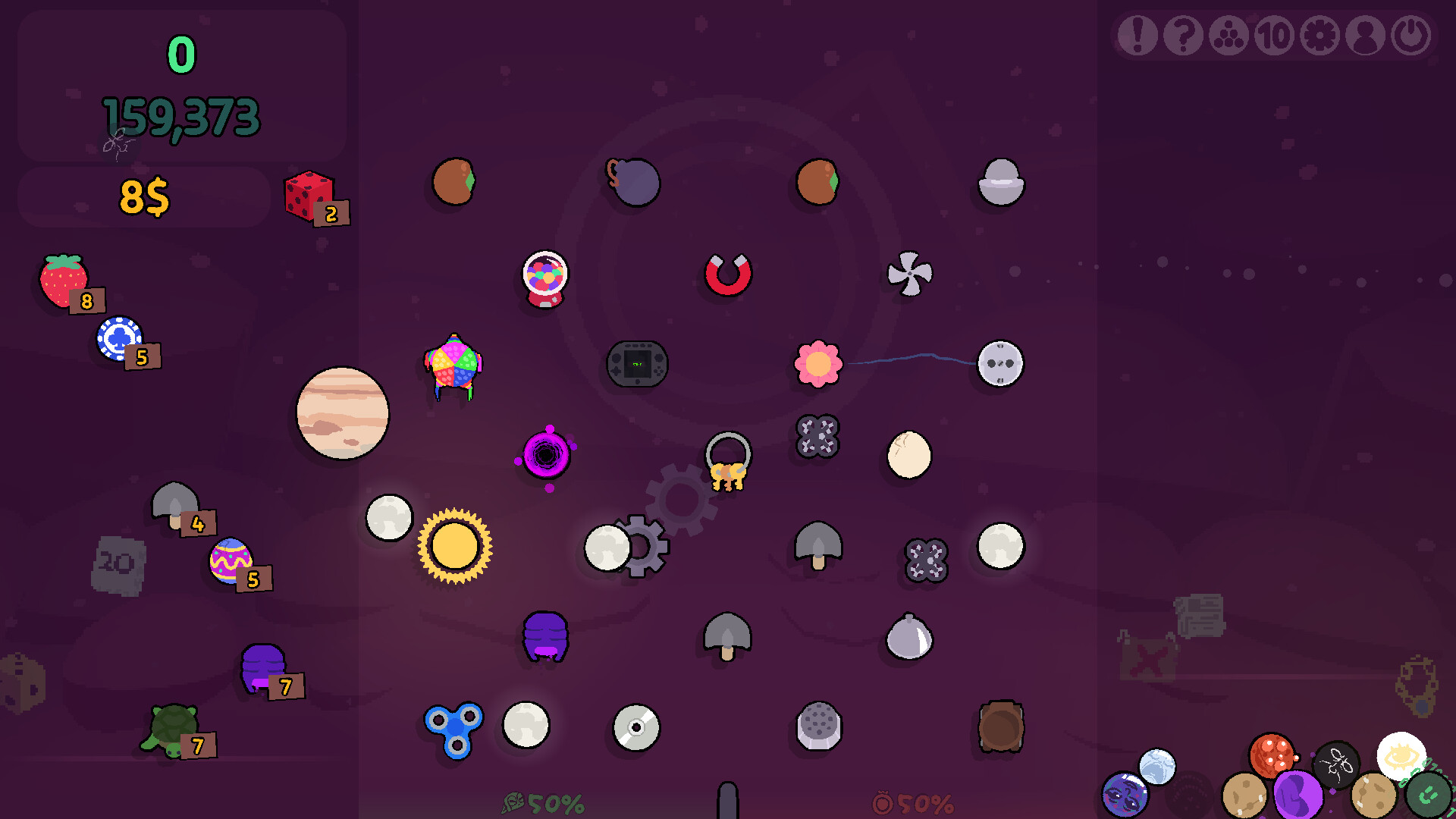
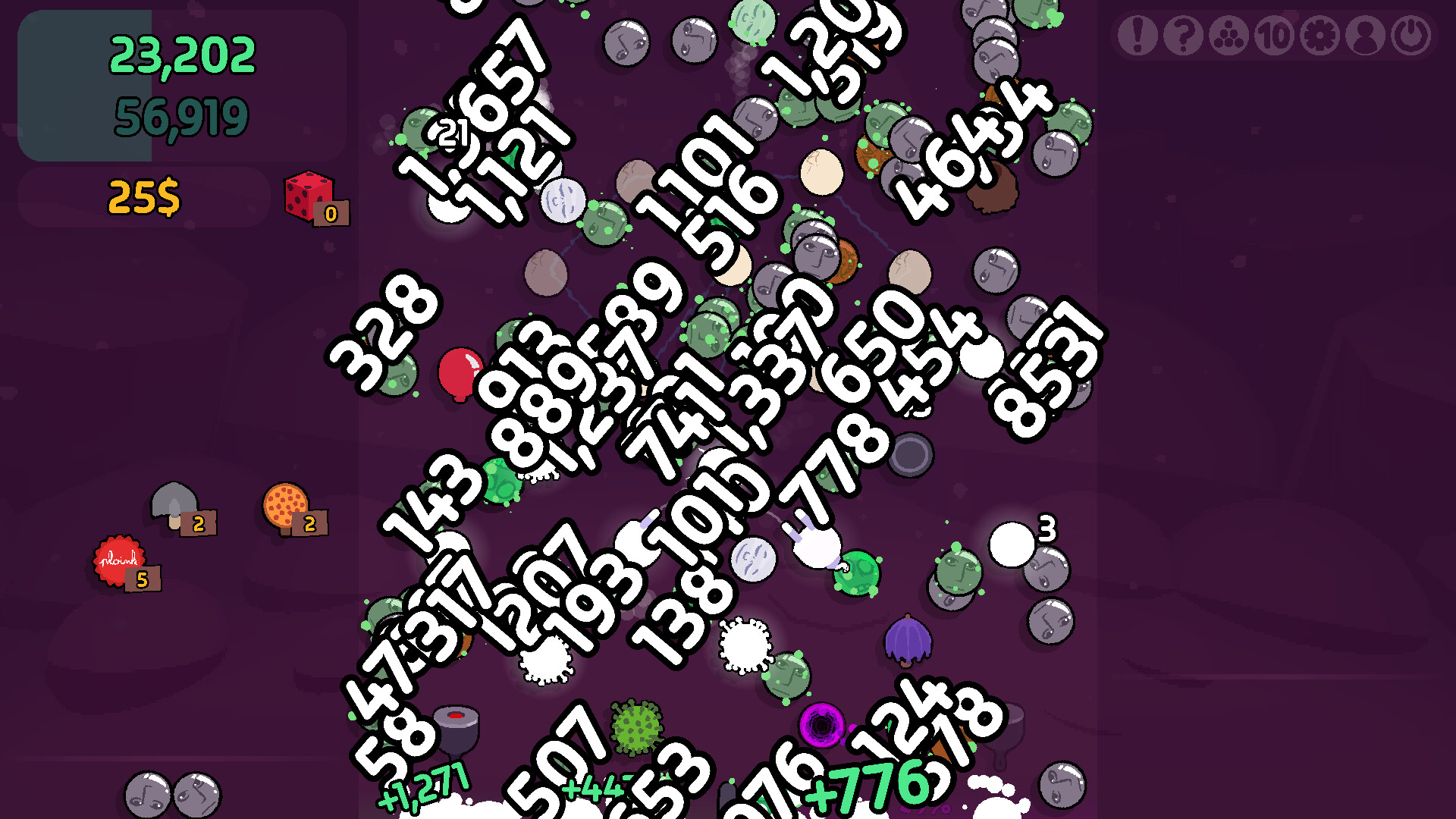
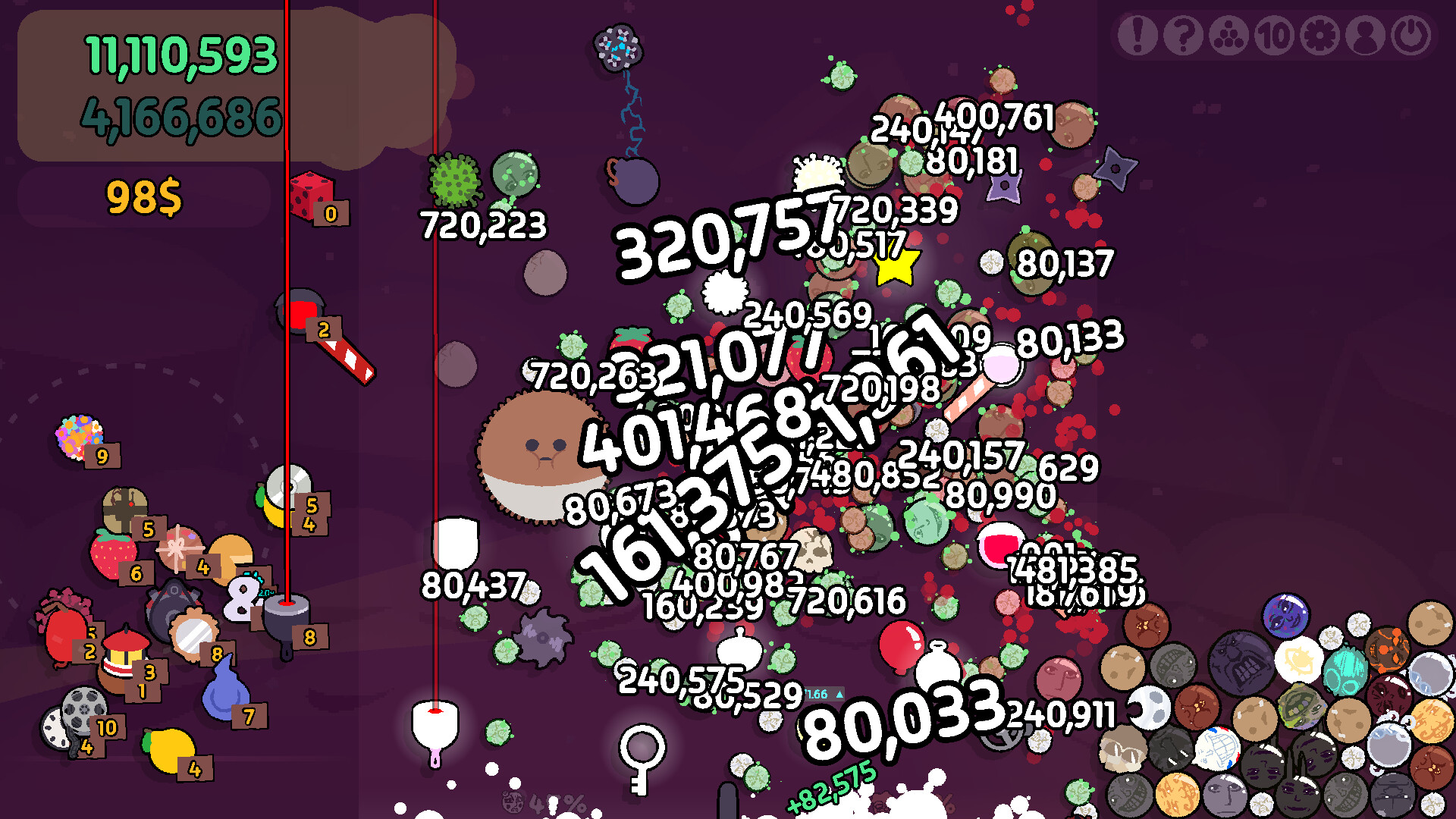
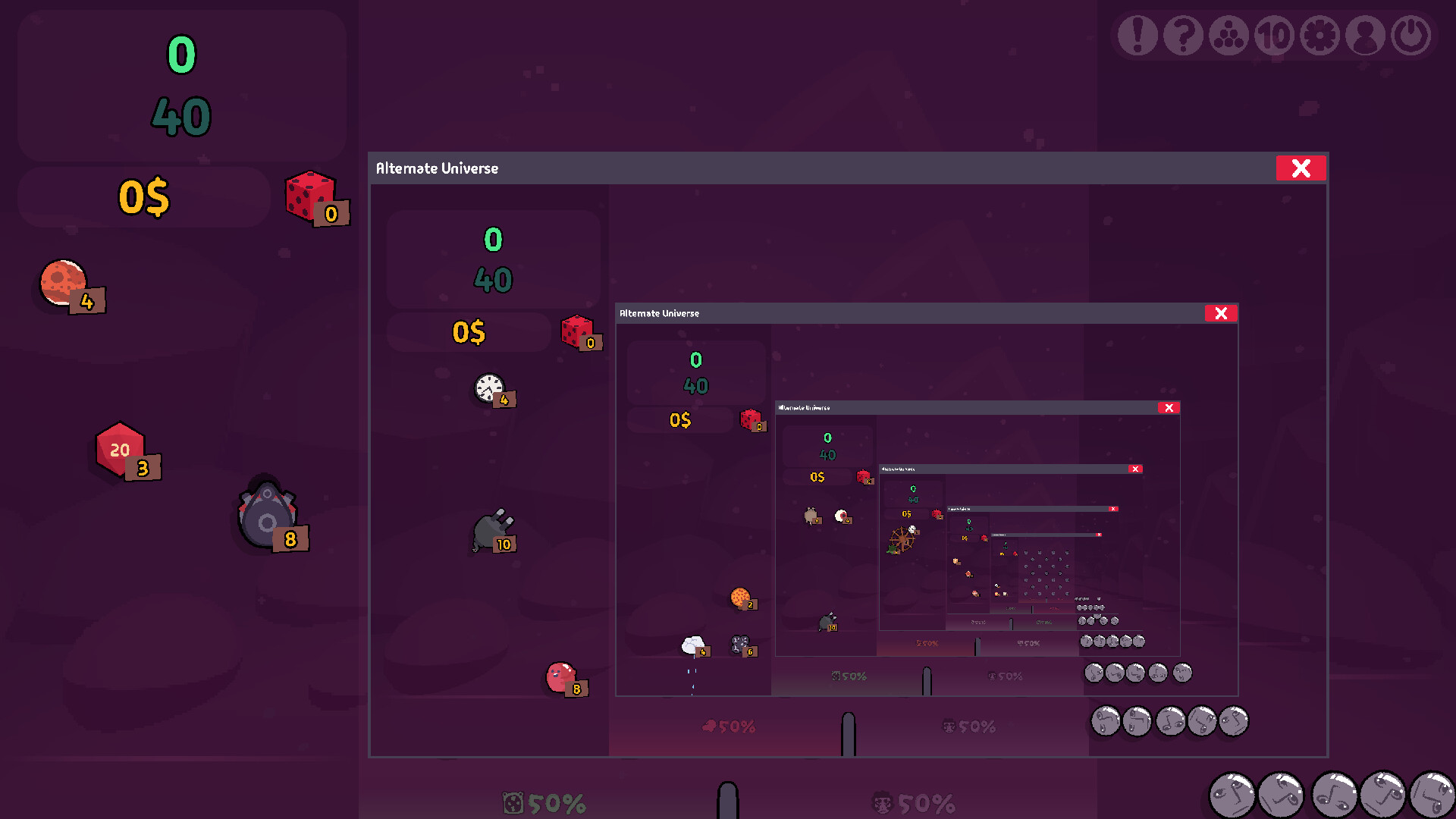
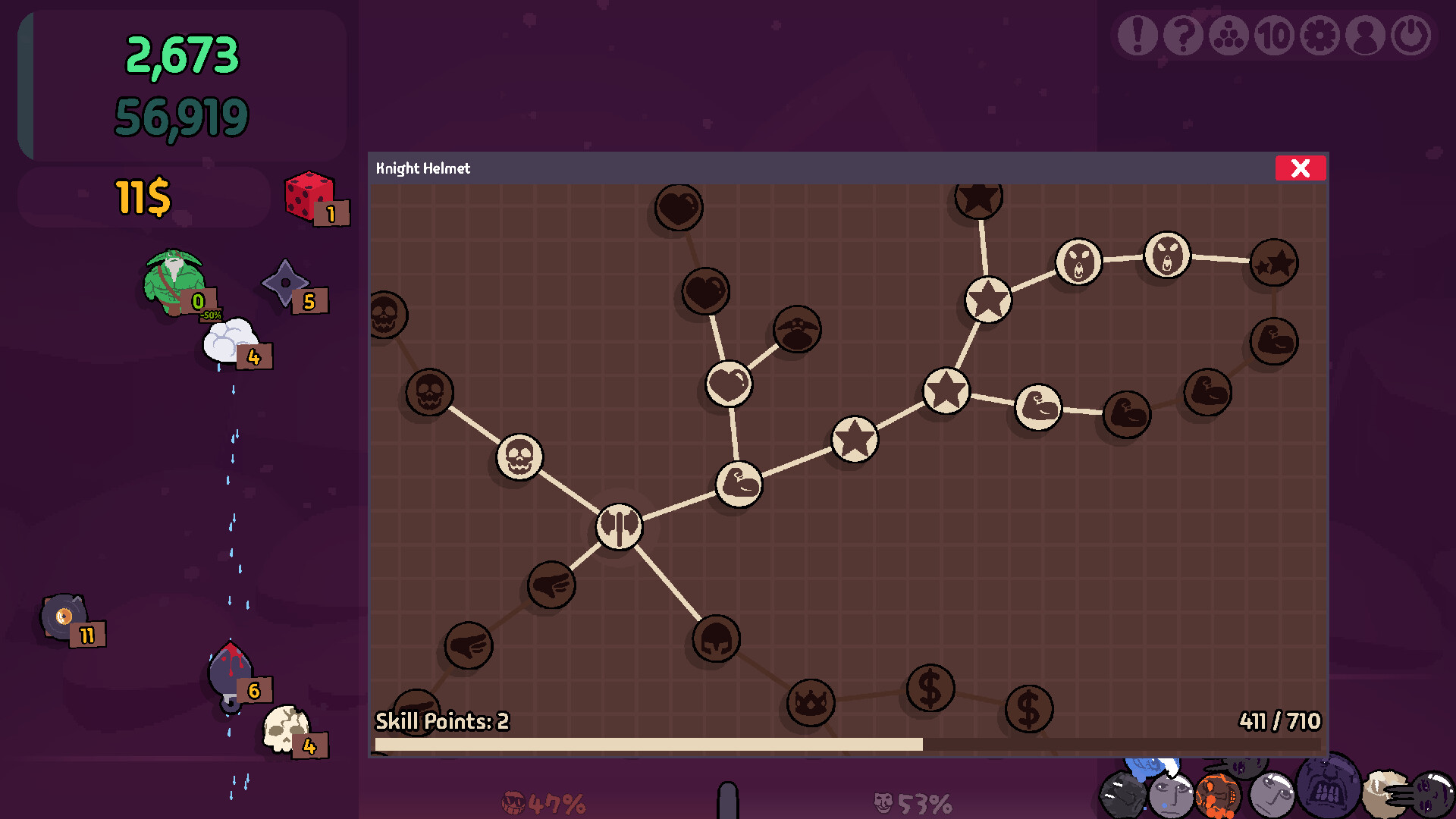
Ploink throws you into a roguelike where every run begins with the same simple idea, drop balls down a board of pegs, but the twist is that every peg is a wacky little machine you get to arrange yourself. You place pocket dimensions, knight helmets with built-in skill trees, virtual pets you can feed for points, and vaults that save pegs for the next run, then watch the screen flood with bouncing balls and numbers. The studio bills it as a Rube Goldberg sandbox and the reviews suggest the chaos lands; one player wrote that electrocuting mushrooms to make them more efficient was a peak moment, another spent thousands of hours because they could not stop telling friends about it.
What the game actually feels like
You build a plinko board run by run, placing over 200 different pegs and dropping balls to clear an escalating score target. Trinkets and Boards remix how you build and how hard the run becomes, with 20 trinkets and 6 boards to chase. The open-ended item design means pegs do not have forced interactions, so you discover weird synergies like paying mushrooms to clone themselves or letting dogs tap your balls for cash.
Bosses gate progress every few levels and a roster of 20 characters, including a hot serial killer, a cute frog summoner, a kamikaze uncle, and a disturbing cheese god, breaks up the tinkering. They give you something to dread between runs and they push you to optimize your layout under pressure.
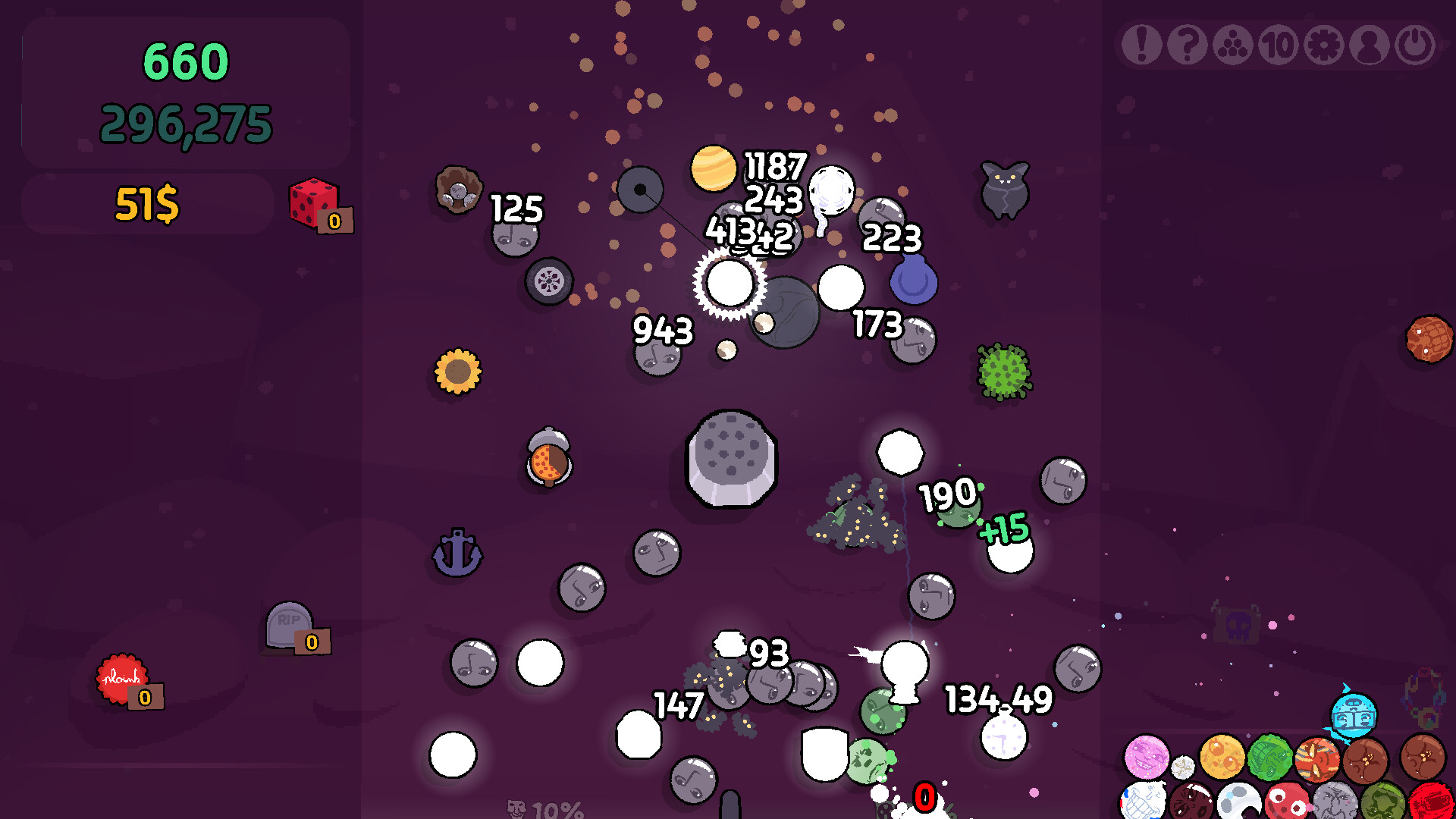
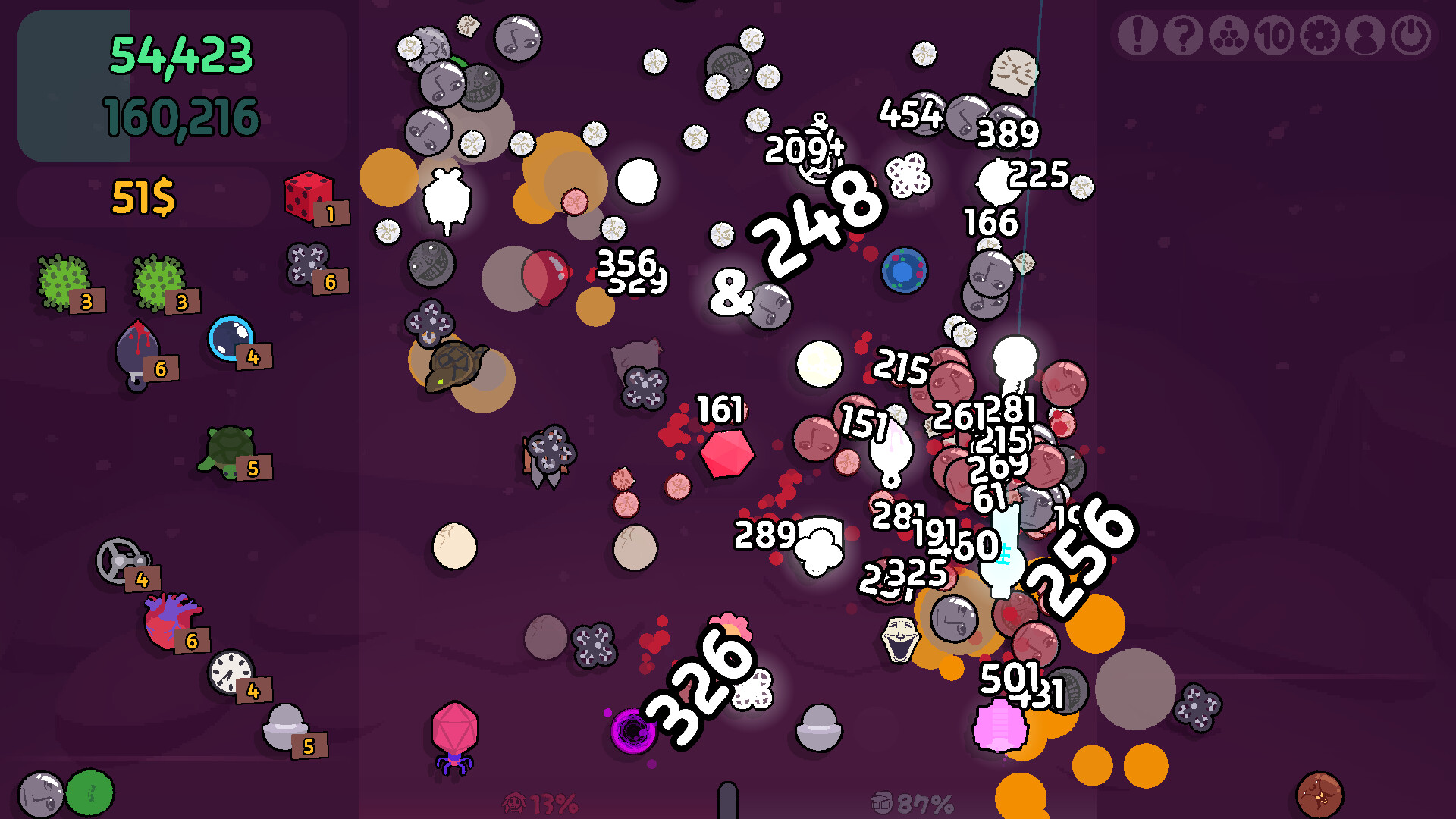
Every run ends in screen-filling chaos with numbers flying everywhere, which is the point. Multiple reviewers called that messy ending the best type of climax for a roguelike, and the design seems tuned to reward those explosive finishes over careful cleanup.
Replay value comes from combo discovery across a deep item pool rather than long static levels. Players are clearly finding new peg combinations hours into the game, which lines up with the 95 percent positive score on 21 user reviews so far.
What early players are seeing
What is landing
- One player said the game feels like a masterpiece, noting the full release is miles more feature packed than the demo and unlocks even more fun builds. That kind of comparison from a demo player is meaningful because it shows the launch build actually expanded on what was already working.
- Another reviewer walked through their first run checklist and listed things like generating infinite pegs in the shop, becoming rich by letting dogs touch balls, cloning mushrooms by paying them, and electrocuting mushrooms to make them more efficient, then rated it a 10 out of 10 and said they would have paid five times the current price. The specificity of those synergies is a strong sign that the items really do compose in surprising ways.
- Several reviewers pegged the game as a fit for anyone who loves Peggle and Balatro, which is a useful two-pronged comparison because it covers both the plinko skill-shot fantasy and the deckbuilder itch for creative combos. That crossover appeal is rare and worth taking seriously.
- A long-time watcher of the game called it good and strongly recommended it even while admitting roguelikes are not their usual thing, landing at a 7.2 out of 10. That kind of measured praise from a skeptic tends to age better than hype.
What still needs watching
- The sample size is tiny at 21 user reviews, so a 95 percent positive score is encouraging but not a deep consensus yet. Treat the reception as a promising early signal rather than a settled verdict.
Is ploink worth buying now?
Current decision
Worth tryingPyrocreep is shipping a clearly defined roguelike with a real hook, and the reviews so far are unusually specific and enthusiastic about the build-crafting. The 95 percent positive score on 21 reviews is a thin sample, but the detail in individual writeups, like cloned mushrooms and electrocuted efficiency boosts, is the kind of anecdotal evidence that usually precedes a strong early run for a roguelike.
Who this is for
A good fit if you…
- Fans of Peggle and Balatro who want a plinko-style roguelike with deep combo building
- Roguelike players who love item sandbox design and discovering emergent synergies on their own
- Builders who enjoy tinkering with open-ended systems and watching chaos unfold at the end of a run
- Players who want a short-burst Windows experience with Achievements, Cloud saves, and Family Sharing
- Anyone curious about a small-studio Pyrocreep launch that mixes Casual, Simulation, and Strategy tags into one silly package
Wait if you…
- You need confirmed Steam Deck controller support, since the listed Playable status comes with a note that some prompts do not match Deck controls
- You want a big-budget or large review pool to lean on before buying, since only 21 reviews are in so far
- You prefer multiplayer co-op, because Ploink is single-player only on Windows
- You dislike roguelike replay loops and would rather have a long scripted campaign
If ploink is not quite your game

SIMILAR OPTION · 67% OFF
Risk of Rain 2
Choose it ifChoose Ploink if you want a calm-but-chaotic builder; choose Risk of Rain 2 if you want real-time combat and multiplayer
How it comparesRoguelike with item-driven build variety and unlockable progression Risk of Rain 2 is a third-person action roguelike about fighting hordes on an alien planet with friends or solo, focused on combat and loot. Ploink is a top-down plinko simulation about arranging pegs and balls, with no combat enemies to fight in the usual sense.

SIMILAR OPTION
RimWorld
Choose it ifChoose Ploink for short, replayable runs of creative chaos; choose RimWorld for a long-form management sandbox
How it comparesSimulation-heavy single-player experience with deep system interactions RimWorld is a long-form colony sim driven by an AI storyteller, simulating psychology, ecology, combat, and diplomacy across many in-game years. Ploink is a roguelike where each run is short, with the depth coming from how you arrange pegs rather than manage a colony.

SIMILAR OPTION
Balatro
Choose it ifChoose Ploink if you want spatial tinkering and screen-filling chaos; choose Balatro if you want a tighter, hand-by-hand decision roguelike
How it comparesCombo-driven roguelike with a wild item pool Balatro is a poker deckbuilder where you chain jokers and chips, while Ploink is a spatial plinko builder where you physically place pegs and watch balls cascade. Ploink has a Rube Goldberg chaos payoff at the end of every run; Balatro stays measured and stat-focused.
Share this article