Oil benchmarks slide on diplomatic hopes

Crude futures fell sharply on July 28, 2026 as traders weighed a pause in US-Iran hostilities and reports of progress toward talks. Brent crude for October delivery dropped 4.6% to $81.94 a barrel, retreating from a brief touch above $102 last week on worries that Middle East fighting would disrupt global flows. Earlier in the session, Brent was down 1% at $88 and West Texas Intermediate fell 1.1% to $82, both at their lowest levels in more than a week. Separately, another account cited settling prices of Brent at $84.09 and WTI at $79.26, down roughly 5% and marking a two-week low after an approximately 16% drop over three sessions.
Mediation efforts and competing strait plans
Oman presented Iran with a Gulf-backed proposal to manage the Strait of Hormuz, including voluntary user fees for tankers transiting the waterway, a Gulf source and a Western diplomat told Reuters. Iran rejected the plan and instead proposed a temporary arrangement to reopen the strait with one direction of traffic passing through Iranian waters, Deputy Foreign Minister Kazem Gharibabadi said on July 28. US President Donald Trump said on July 27 that the US was engaged in "good talks" with Iran, though Iran denied seeking to resume negotiations, contradicting Trump's characterization. Omani delegations were in Tehran on July 24–25 as part of efforts to reach a provisional arrangement for shipping through the waterway, which before the conflict carried about a fifth of global oil supplies.
Shipping disruptions and Houthi attacks
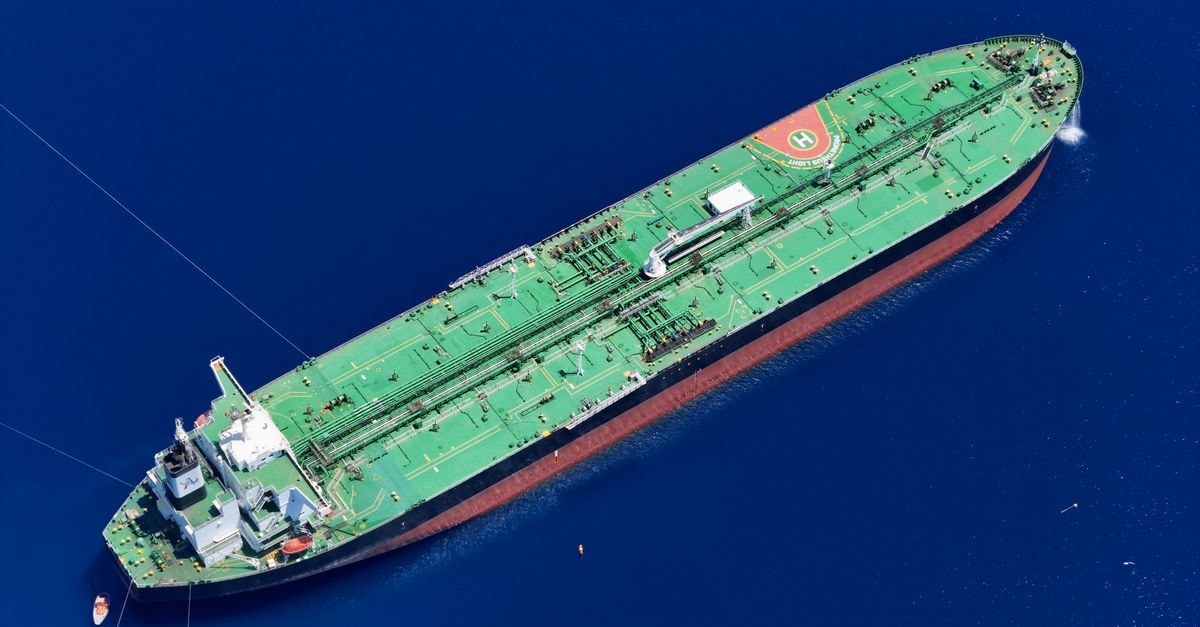
Maritime traffic through the Strait of Hormuz remained subdued, with Barclays analysts noting that crude and refined product net exports through the strait averaged 2.9 million barrels a day in the week ended July 24, down from 5.9 million the prior week. Saudi Aramco shut down its 400,000-barrel-per-day Jizan refinery on July 27 after a Houthi attack the previous day, according to a consultancy note seen by Reuters. The Houthis said on July 28 that they had fired ballistic missiles at a Saudi oil tanker, while 28 vessels passed through the Bab el-Mandeb Strait—a four-day high—according to Kpler shipping data. China has held direct talks with the Houthis to enable its tankers to transit the southern Red Sea safely.
Shifts in supply: Venezuela and Argentina
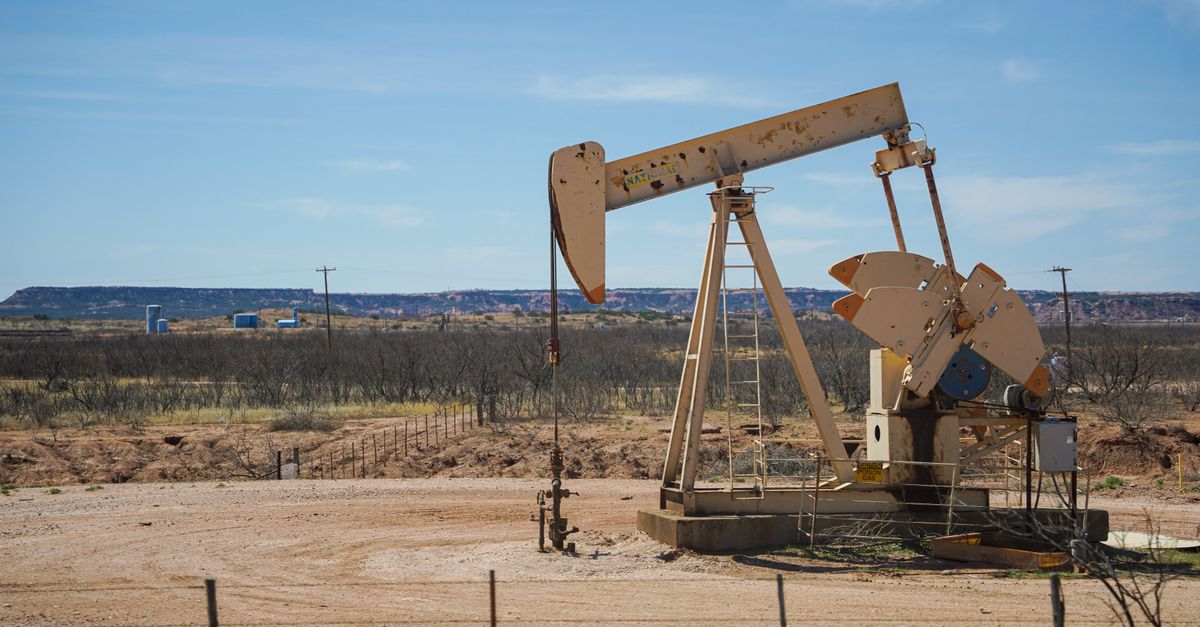
Imports of Venezuelan crude into the US Gulf Coast have surged since US forces seized Venezuelan President Nicolás Maduro in January, with average daily volumes rising from roughly 110,000 barrels per day in January to 575,000 bpd in June—the largest daily volume from Venezuela since 2018, according to federal data. Texas received about 43% of those imports, with another 39% going to Louisiana refineries equipped to handle Venezuela's heavy crude. Argentine oil production separately reached an all-time high of 887,227 barrels per day in May, up 0.6% from April and nearly 19% higher than a year earlier, driven by the Vaca Muerta shale formation, which accounted for a record 70.6% of national output. State-controlled YPF plans $5.8 billion in capital expenditure in 2026, with about 70% earmarked for Vaca Muerta, and analysts project Argentine crude output could reach 1 to 1.5 million bpd by 2030.
OPEC+ pause and price forecasts
OPEC+ is likely to pause oil output increases for three months from October after completing the scheduled return of barrels from voluntary cuts, sources told Reuters. JPMorgan estimated that every additional month of supply disruption could push Brent prices up by $7 to $8 a barrel, with possible monthly averages around $114 a barrel if disruptions continue for three months. Goldman Sachs warned Brent could rise to $120 a barrel if Strait of Hormuz disruptions persist, while its base case envisions Brent averaging $80 a barrel in the fourth quarter and $75 next year if tensions ease, though risks remain "tilted to the upside." Next verifiable milestones include any official US or Iranian statement confirming a formal negotiation track, OPEC+'s upcoming meeting to formalize the output pause, and weekly US Energy Information Administration crude inventory data.
PLACES IN THIS STORY
Explore the destinations behind this report
Iran
Tehran
Browse travel guides, places to stay, attractions and local food in Tehran.
Explore Tehran →Tehran Travel Guide: Reading the City Before You ArriveShare this article