Friday settlement and monthly gains

Oil prices settled more than $1 per barrel higher on Friday, ending July with their biggest monthly gains since March. Brent futures settled up $1.09, or 1.2%, at $90.12 a barrel, while U.S. West Texas Intermediate (WTI) futures closed up $1.08, or 1.3%, at $84.67 a barrel. For the month, Brent gained 24% and WTI rose 21%.
Strait of Hormuz disruption
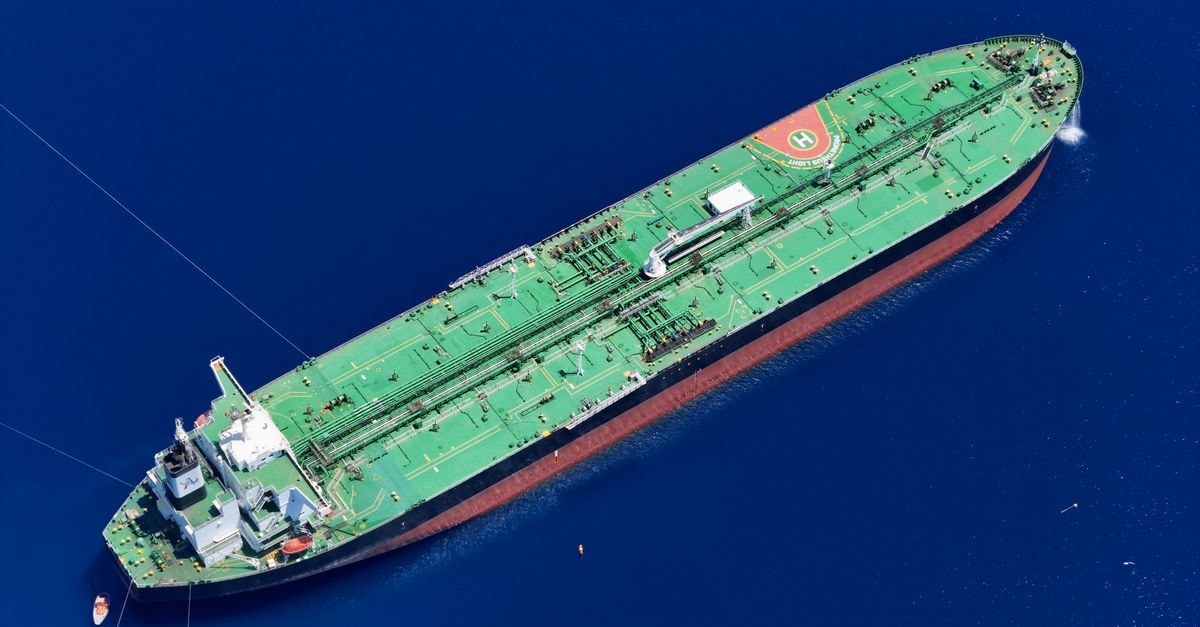
Concerns over global crude flows intensified on Iranian reports that tankers were forced to turn back in the Strait of Hormuz. Iran's Revolutionary Guards stopped two tankers from transiting the waterway, while four others changed course, Fars News Agency reported. Two very large crude carriers carrying oil loaded from the Gulf did exit the strait on Friday, though traffic remained sparse according to Kpler ship-tracking data. Talks between Iran and Oman on managing the strait continued despite Tehran's rejection of Oman's joint-management proposal.
Broader shipping threats across the region
The conflict, now in its sixth month, has largely blocked Hormuz shipping since fighting began on February 28, while Houthi allies in Yemen this month threatened vessels in the Bab el-Mandeb strait, endangering an alternative export route used by Saudi Arabia and other regional producers. Twenty-nine commodity vessels passed through the Bab el-Mandeb on Thursday. A drone strike sparked fires on two gas vessels in Egypt's Mediterranean port of Damietta, raising threats to Suez Canal traffic, and Saudi Arabia said it is seeking to lead a coalition to boost defense cooperation in the Bab el-Mandeb, the Red Sea, and the Gulf of Aden.
Spring profit windfall for oil majors
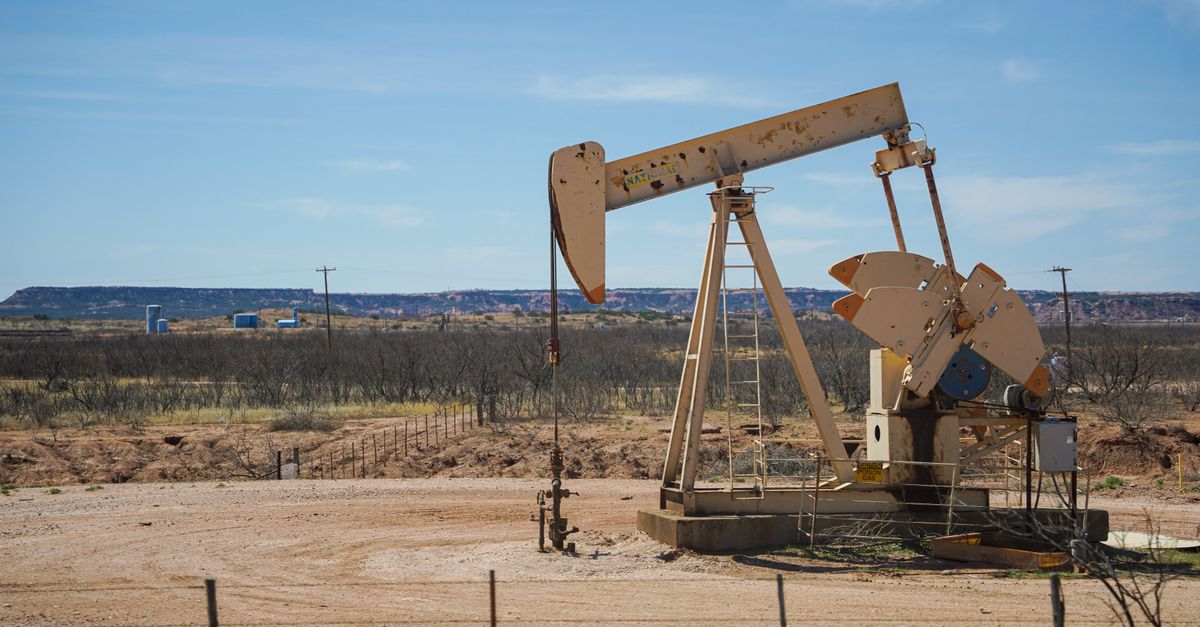
American oil and gas giants reaped massive spring profits while U.S.-Iran fighting impeded petroleum shipments and consumers worldwide paid more for fuel. With global supplies constrained, Brent crude had soared from about $70 to above $100 a barrel for much of March, April, and May, at one point reaching $126. Research firm Gelber & Associates noted that the geopolitical risk premium remains firmly in place near chokepoints like the Strait of Hormuz, with U.S. crude stockpiles falling to multi-year lows.
U.S. supply, demand, and the price outlook
EIA data showed U.S. commercial crude stocks last week fell to their lowest levels since 2018, while U.S. crude output dropped about 2% in May from a record high in April and exports hit a record high for the second consecutive month. Demand for crude and petroleum products fell more than 3.5% in May to about 20.07 million barrels per day, the lowest since March 2025. Baker Hughes reported U.S. energy firms added rigs for a sixth time in seven weeks. A Reuters survey of 31 economists projected Brent to average $85.22 a barrel in 2026, up from June's $84.50 forecast.
Additional supply developments
Ukraine's military said it hit Russia's Volgograd oil refinery overnight on Friday, causing a fire at the facility. In Kazakhstan, Tengizchevroil resumed oil exports via the Georgian port of Batumi for the first time since March, according to two sources.
PLACES IN THIS STORY
Explore the destinations behind this report
Egypt
Suez
Browse travel guides, places to stay, attractions and local food in Suez.
Explore Suez →Suez Travel Guide: Getting Around and Eating Well by the SeaShare this article