Oil prices ease after Wednesday's Iran-driven surge

Crude futures pulled back in Asian trade on July 30, giving up part of Wednesday's sharp rally after the United States intercepted a surprise Iranian missile attack and President Donald Trump pledged retaliation. Brent crude had settled up 7.91% in the previous session, one of the largest spikes of the US-Iran war, while West Texas Intermediate gained 6.56%. By 0110 GMT on July 30, Brent had fallen $1.29, or 1.42%, to $89.45 a barrel, and WTI was down 56 cents, or 0.66%, at $83.90. Traders also pointed to a reported larger-than-expected 7.2 million-barrel draw in US commercial crude inventories for the week ended July 24 and to speculation that OPEC+ could pause planned production increases for three months beginning in October.
Saudi GDP contracts as oil sector plunges
Saudi Arabia's economy shrank 4.8% on an annual basis in the second quarter, the steepest contraction since the second quarter of 2020, when the pandemic drove a 7% drop, the General Authority for Statistics reported on July 30. A 24.7% plunge in oil activity drove the decline, reversing 2.9% growth in the first quarter, while non-oil activity expanded only 0.6%. The International Monetary Fund said the kingdom had shown "agility and resilience" but projected growth slowing to 1.7% in 2026, with non-oil growth easing to 2.6%, and that a recovery would take hold once maritime traffic through the Strait of Hormuz gradually returned to normal. Rerouting through the East-West pipeline to Red Sea ports has helped limit damage to the hydrocarbons sector.
Shipping disruptions lengthen tanker routes
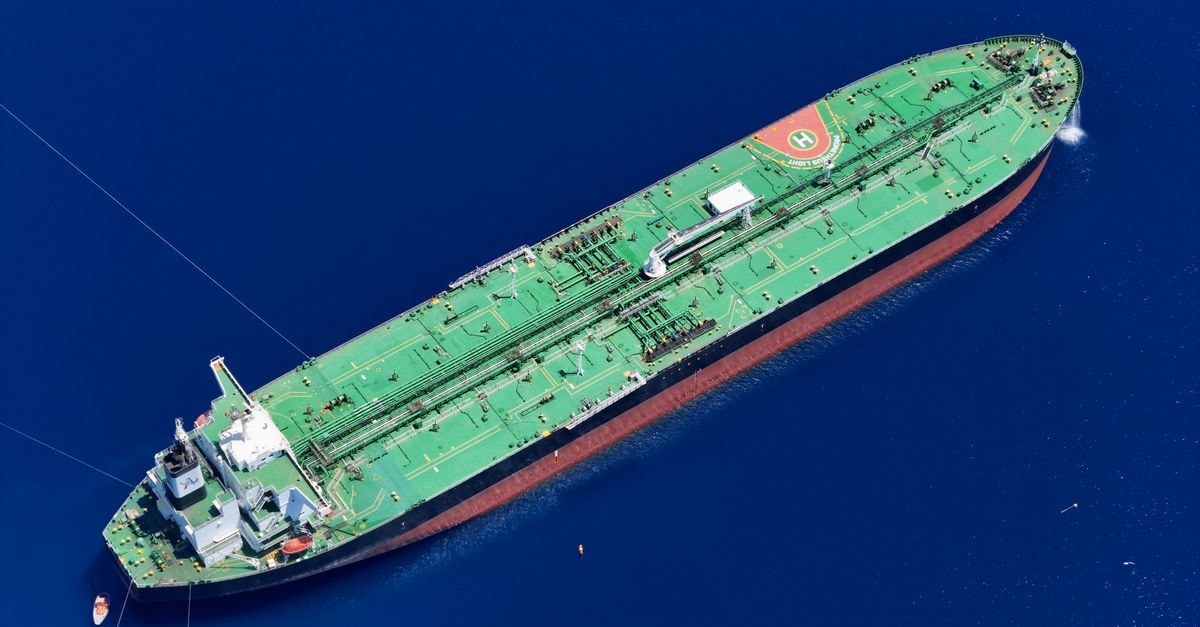
Maritime traffic through Middle East choke points remained volatile as the US-Iran war widened. Preliminary shipping data showed 39 commodity vessels transited the Bab el-Mandeb strait into the Red Sea on Tuesday, the highest number since July 19, with only a few passing through the Strait of Hormuz, which has been largely blocked since the war began on February 28. Iran rejected an Omani proposal for regional joint management of the strait, a senior Iranian official said on July 29, while Saudi Arabia is seeking to build a coalition to protect Red Sea shipping from Houthi attacks. The cost of routing around the conflict is already showing up in freight bills: Bangladesh's MT Ninemia is sailing a 9,000-nautical-mile detour around the Cape of Good Hope after the Marshall Islands-flagged tanker left Yanbu on July 23, extending its voyage from 4,200 to 13,129 nautical miles and adding up to $5.4 million in transport costs, according to Bangladesh Shipping Corporation documents.
Refiners diversify supply beyond the Middle East
South Korea's four refiners are weighing Venezuelan crude imports to reduce reliance on Middle East barrels, an official at the Korea Petroleum Association said on July 30. GS Caltex imported 110,000 barrels from Venezuela in June to test quality and yields, while HD Hyundai Oilbank, SK Innovation and S-Oil are also studying potential purchases. The association said refiners are weighing alternative sources from Canada and Australia and have ruled out US shale because of the smaller operational size of individual suppliers. The shift follows US President Donald Trump's call for oil firms to invest $100 billion in Venezuela after the January ouster of Nicolás Maduro. In Africa, Aliko Dangote said his 700,000-barrel-per-day Dangote Petroleum Refinery in Lagos would consume about 2.5% of globally traded crude at full capacity, equivalent to roughly 10% of US refining capacity; the company recently secured $2.5 billion to expand to 1.4 million barrels per day by 2028.
Black Sea attacks and Russian export curbs tighten supply
Two more oil tankers were hit at the Caspian Pipeline Consortium's marine terminal in the Russian Black Sea port of Novorossiysk, the consortium said on July 30, suspending oil loading while leaving pipeline facilities operating normally. The Marshall Islands-flagged Nissos Sifnos, owned by Tengizchevroil, was struck by a drone while loading at the single-point mooring, igniting a fire on the cargo deck that the crew and three CPC support vessels extinguished; a second vessel, Marathi, was attacked six nautical miles from the terminal while en route to load. The CPC said the attacks ignored calls from Kazakhstan and other foreign shareholders, including through the US State Department, against the use of force against international energy infrastructure. Separately, Russia extended restrictions on gasoline, diesel, marine fuel and gas-oil exports through January 31, 2027, allowing only domestic producers to resume diesel, marine fuel and gas-oil shipments from September 1, with gasoline curbs retained. Goldman Sachs estimated global diesel exports fell 35% in July, or about 2.6 million barrels per day, while total refinery throughput dropped 6.5 million barrels per day from a year earlier.
OPEC+ is expected to clarify at its next meeting whether it will pause planned October production increases, while the next US Energy Information Administration weekly inventory release will show whether the 7.2 million-barrel draw for the week ended July 24 extends into subsequent reporting periods.
Share this article