ONGC begins Mahanadi deepwater drilling

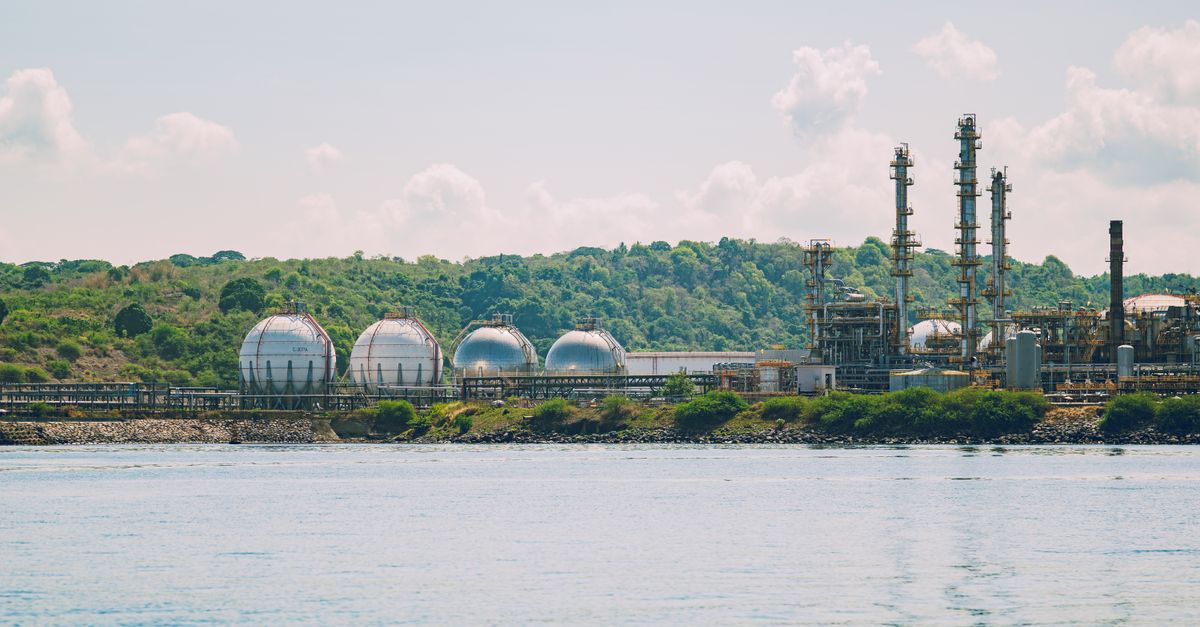
State-owned Oil and Natural Gas Corporation commenced drilling its first deepwater exploratory well in the Mahanadi offshore basin on July 25, marking the start of an ambitious campaign to tap India's vast hydrocarbon resources under the Samudra Manthan mission. The government has opened nearly one million square kilometers for exploration, and the company said recent successes at nearby blocks had raised expectations for the new well.
Study warns of US gas squeeze by 2028
A separate study by Chronometer Partners spanning 18 months has warned that US natural gas supply could tighten by 2028 as artificial intelligence data centres and liquefied natural gas exporters compete for the same molecules. Chief investment officer Matthew Smith argued that domestic gas output may rise by about 20 billion cubic feet a day by 2030, but that LNG exports alone could absorb most of that increase, leaving the market tight and vulnerable to sharp price moves.
Data-centre demand and LNG capacity outlook
RBC Capital Markets said in a recent note that gas demand from data centres could reach 6.1 billion cubic feet a day by 2030, reflecting the rapid expansion of AI and cloud infrastructure. Texas and Virginia account for a large share of active and planned projects, while Georgia, Ohio, Illinois, Arizona, Louisiana and Pennsylvania are emerging as a secondary build-out zone. Developers have also announced roughly 101 gigawatts of on-site gas-fired generation to support round-the-clock operations. The US Energy Information Administration said North American LNG export capacity is on course to more than double between 2024 and 2028 if projects under construction come online as planned.
Cost dynamics and infrastructure control
Smith noted that energy already makes up about 10% of AI compute costs, and that share could climb to 20% to 30% if gas prices were to double or triple. Industry commentary suggested LNG may have the upper hand because export plants already benefit from long-term contracts, pipeline links and feed-gas arrangements. Data-centre developers, by contrast, may struggle to secure power access on their preferred timetable even where gas is available. The contest will therefore be shaped less by an outright shortage of gas in the ground than by who has already locked up the infrastructure needed to move and burn it.
Share this article