Catch up on the essentials
- Pope Honorius I is posthumously excommunicated by the Sixth Ecumenical Council.
- Owain Glyndŵr is declared Prince of Wales by his followers.
- Ferdinand of Trastámara takes Antequera from the emirate of Granada.
Selected from this article · 2026-09-16
Read on for the full pictureSeptember 16, 681 CE · Turkey · The censers swing as the fathers speak against a pope already cold.

In Turkey, Pope Honorius I is unfolding. Pope Honorius I is posthumously excommunicated by the Sixth Ecumenical Council.
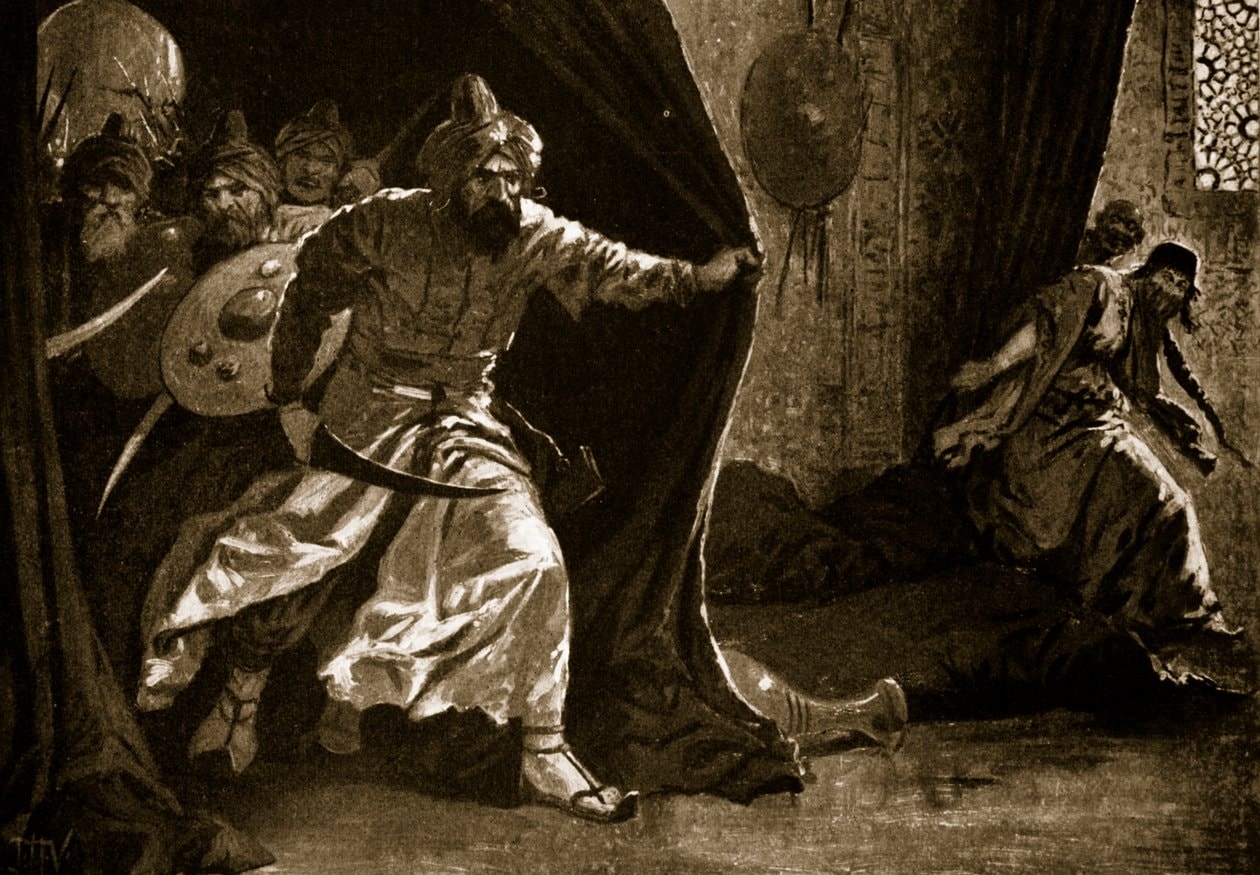
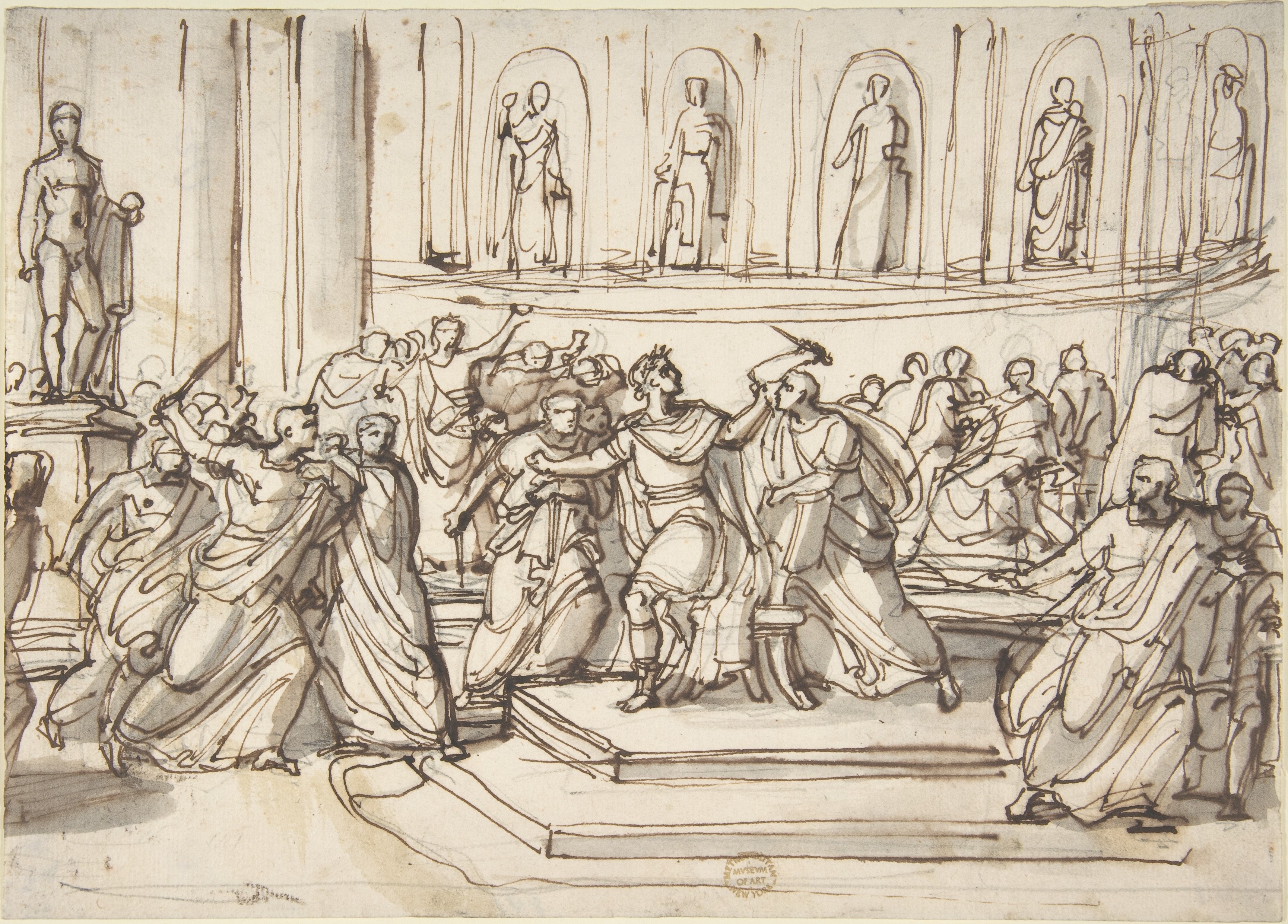
I steady the inkpot as the fathers file into the vaulted chamber of the palace. Lambs of fleece hang from the patrician seats, and the bishops murmur in Latin and Greek. The deacon beside me whispers that the synod will speak against a pope long cold in his Roman tomb. The patriarch's letter is lifted, the wax cracked, and I copy the words onto parchment: that Honorius followed the Monothelite heresy, that he failed to extinguish their doctrine, that his name must be stricken from the diptychs. A draft moves down the colonnade, and a censer swings, scattering ash onto the marble floor. Outside, the rooftops glitter in the sun, and a bell tolls once, twice, and again above the Bosphorus.
September 16, 1400 CE · United Kingdom · Trumpets rise over the Welsh meadows as a new prince is named.
In United Kingdom, Owain Glyndŵr is unfolding. Owain Glyndŵr is declared Prince of Wales by his followers.
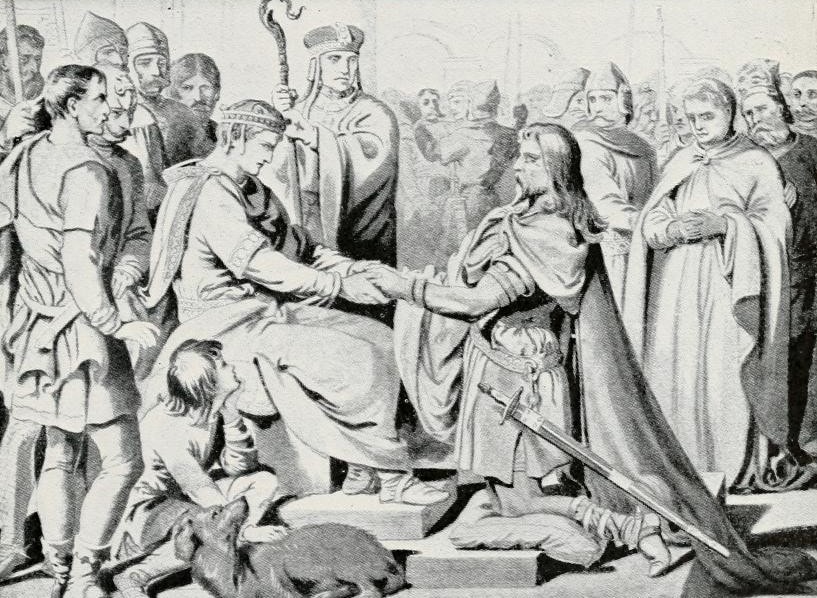
I elbow through the crowd gathered on the green slope, my cloak damp with morning mist. Men-at-arms in leather brigandine hold back the children, and Owain's banner snaps above the oaks. Owain stands on the cart, and the lords kneel one by one to kiss his hand. Someone thrusts a tall staff into the earth, and the cry goes up, plain and ragged at first, then swelling: that our countryman is prince of Wales against the English. I shout with the rest until my throat is raw. A scout gallops up from the river and pulls his horse to a skid in the turf, his face tight with news. Owain turns toward the rider, and the September wind off the hills carries the dust away.
September 16, 1410 CE · Spain · Banners climb the walls of Antequera as the siege is won.
In Spain, Ferdinand I of Aragon is unfolding. Ferdinand of Trastámara takes Antequera from the emirate of Granada.
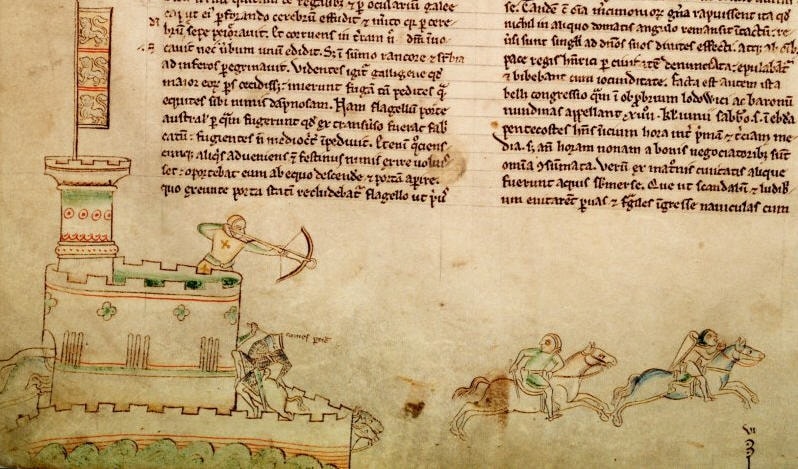
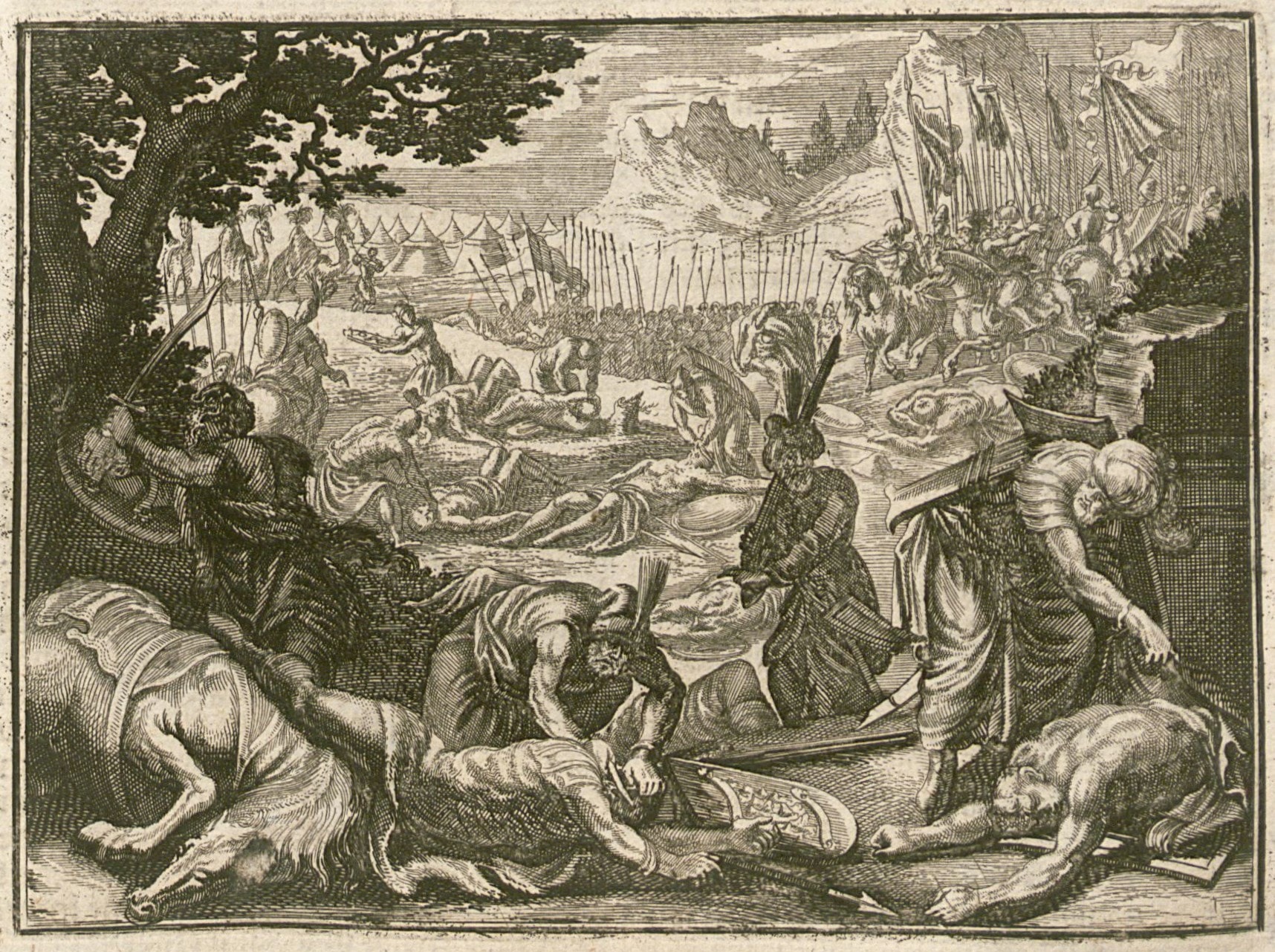
Dawn breaks cold over the olive groves, and I notch a fresh bolt while the captains shout for scaling ladders. A monk moves along the parapet with a cross, murmuring prayers. I take aim along the parapet as the grapnels bite into the town wall. The Granadan banners come down one by one, replaced by Ferdinand's pennant. Below the gate, Ferdinand's horse paws the dust as he waits for the surrender. A trumpet sounds from the battlements, and the gate creaks open on its hinges. Our sergeant waves us forward, and I climb the embankment with the others, my boots slipping on the chalk. Smoke from a burning outbuilding drifts across the plaza, and the emirate's soldiers lay down their arms in a long, slow row.
September 16, 1732 CE · Portugal · Lightning cracks the sky above the armory and the world erupts.
In Portugal, Campo Maior, Portugal is unfolding. In Campo Maior, Portugal, a storm hits the Armory and a violent explosion ensues, killing two-thirds of its inhabitants.
I am raking the courtyard when the first thunder rolls down from the hills. Drops spatter the tiles, and the door of the armory bangs against its frame. A blue crack splits the sky, and a heartbeat later the whole building lifts, blooms outward, and falls back in a roar of stone and iron. The shock hurls me against the well, and my ears ring with a sound like a thousand bells. Tiles whistle past, and the neighbor's mule screams behind its stall. I claw up the side of the well, my palms skinned, and the streets are filling with dust and screaming. Half the houses are gone, and the survivors stagger in the downpour, calling names into the empty air. Two-thirds of the town's people lie silent in the rubble, and the rest wander the streets as the rain keeps falling.
September 16, 1822 CE · France · Gas lamps brighten the Academy as a new note is read.
In France, Augustin-Jean Fresnel is unfolding. French physicist Augustin-Jean Fresnel, in a "note" read to the Academy of Sciences, reports a direct refraction experiment verifying David Brewster's hypothesis that photoelasticity (as it is now known) is stress-induced birefringence.
I take my usual seat in the third row as the Académie's lamps catch the gilt of the ceiling. A cough runs through the benches, and a young man in a dark coat is helped to a chair near the board, his face hollowed by something the doctors cannot cure. The secretary announces Augustin-Jean Fresnel, and the rustle of papers quiets. A colleague at the lectern lifts the note and begins to read in measured French: that glass, squeezed between brass jaws, behaves unlike ordinary glass; that stress alone splits a single ray of light into two. Fresnel himself watches the ceiling beams, his breath shallow. The room stirs with murmured arithmetic. I copy the figures into my notebook as the storm over the Seine drums against the high windows.
Share this article