Catch up on the essentials
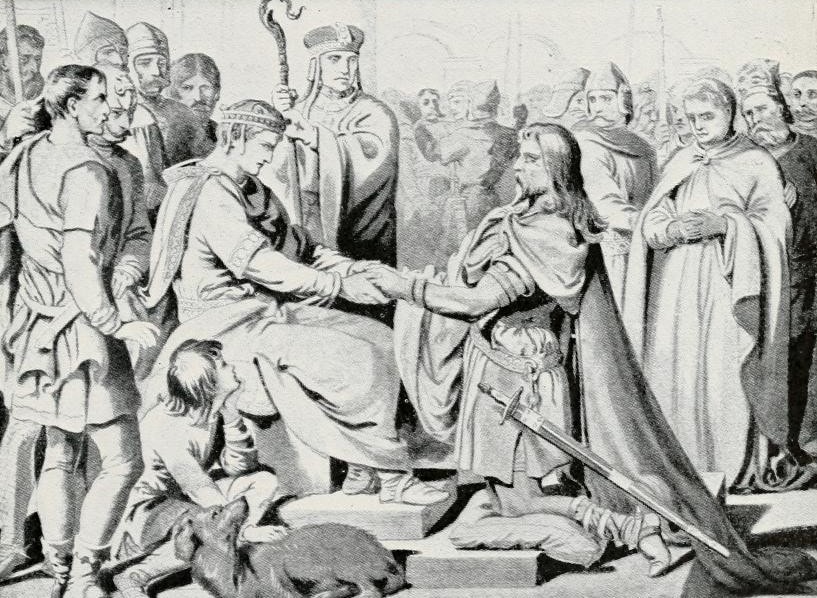
- Pope Callixtus II and Holy Roman Emperor Henry V agree to the Concordat of Worms to put an end to the Investiture Controversy.
- The Battle of Arnemuiden, in which a French force defeats the English, is the first naval battle of the Hundred Years' War and the first European naval battle in which gunpowder artillery is used.
- The Battle of Kherlen is the second significant victory over Ming dynasty China by the Mongols since 1368.
Selected from this article · 2026-09-23
Read on for the full pictureSeptember 23, 1122 CE · Italy · I bend to the parchment as news travels up from Rome.

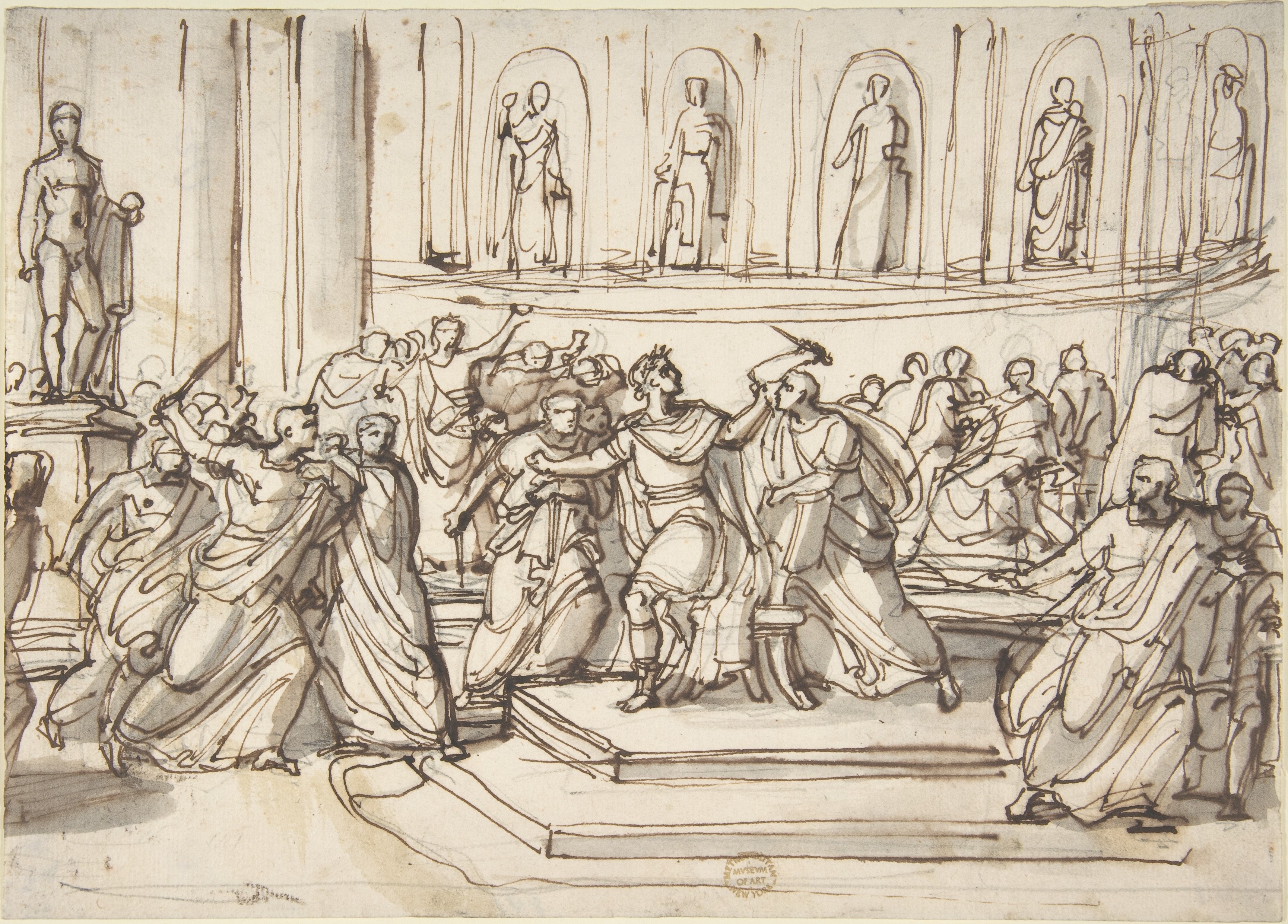
In Italy, Pope Callixtus II is unfolding. Pope Callixtus II and Holy Roman Emperor Henry V agree to the Concordat of Worms to put an end to the Investiture Controversy.
Quill in hand, I bend over the lectern in our monastery's cold scriptorium, transcribing the latest announcement sent up from Rome. Candles gutter at my elbow while I set down that Pope Callixtus II and Emperor Henry V have settled their long quarrel over investiture through the Concordat of Worms. Ink flows dark and steady across the vellum beneath my quill. Brothers murmur in the corridor beyond my stall — some relieved at last, some wary of the new terms. I do not trade talk of theology; I only set each word down as it is given. As I complete the opening line, the wick of my candle bends low, drawing the room toward evening.
September 23, 1338 CE · France · I grip the rail as our fleet closes on the English cogs.
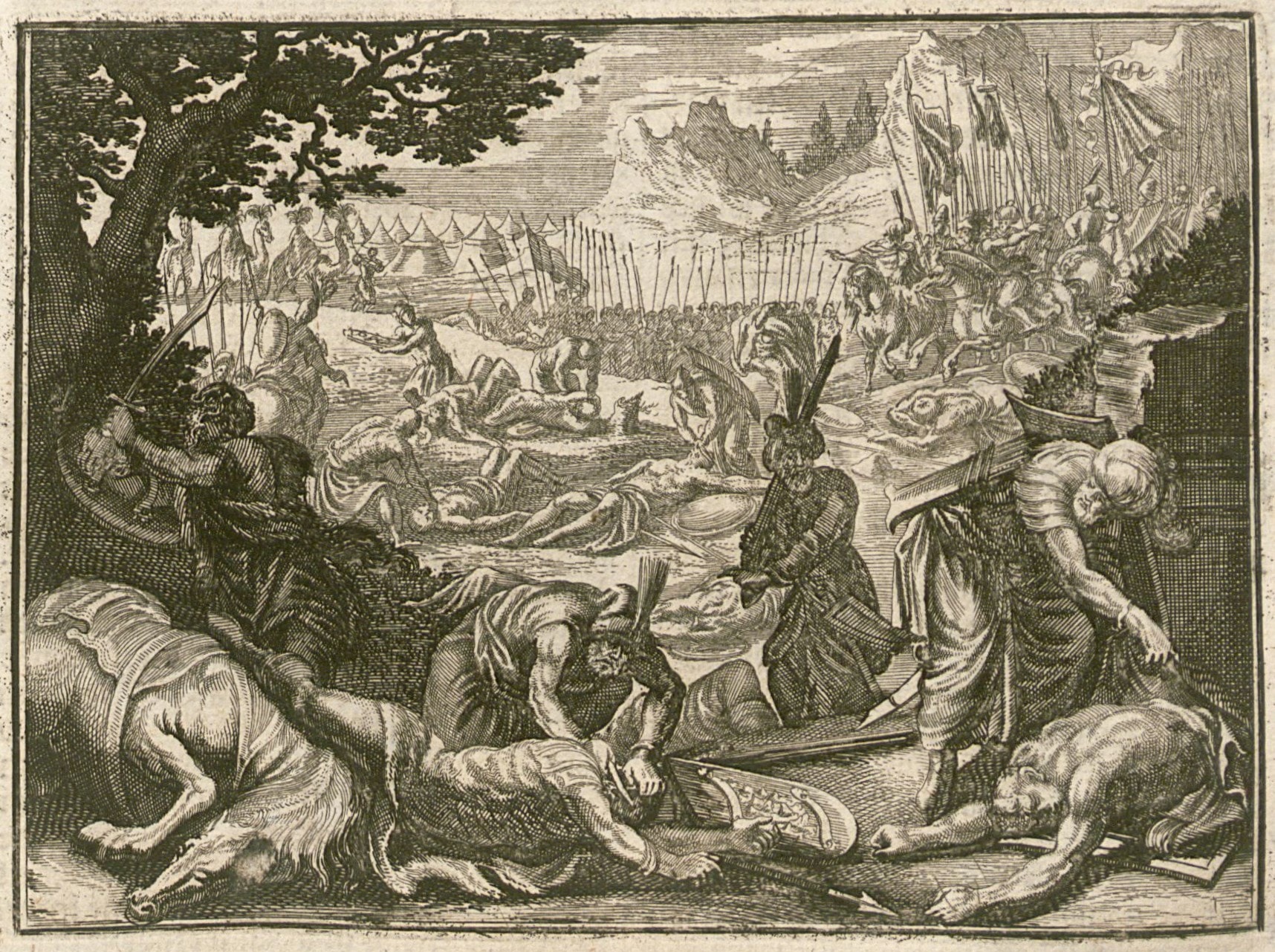
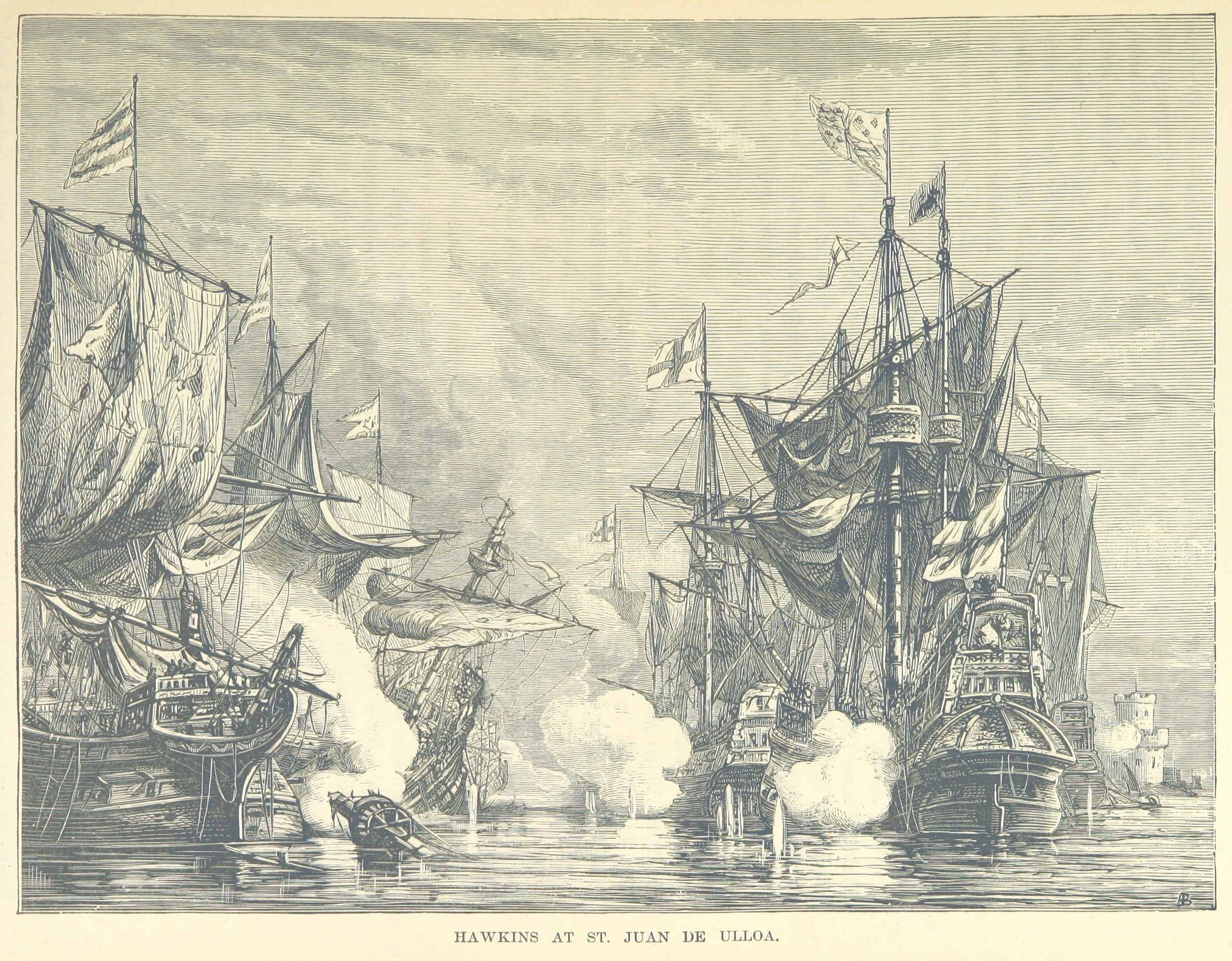
In France, Battle of Arnemuiden is unfolding. The Battle of Arnemuiden, in which a French force defeats the English, is the first naval battle of the Hundred Years' War and the first European naval battle in which gunpowder artillery is used.
I grip the rail of the flagship as our great fleet slides toward five squat English cogs adrift near the port of Arnemuiden. Admirals Hugues Quiéret and Nicolas Béhuchet have us drawn up in line, the oars pulling steady and the signal flags snapping at the masthead. From the Christopher a sudden crack splits the dusk — three cannons and a handgun loose their thunder on the water, the first such noise I have known at sea. Black smoke drags low across the swell; our hull shudders at a near splash. Captain John Kingston, taken somewhat short of his men, hoists a cloth for parley while his crews scramble back aboard. The salt wind freshens, and our grapnels bite into his planking with a long splintering sound.
September 23, 1409 CE · China · I steady my bowstring beside the Kherlen.
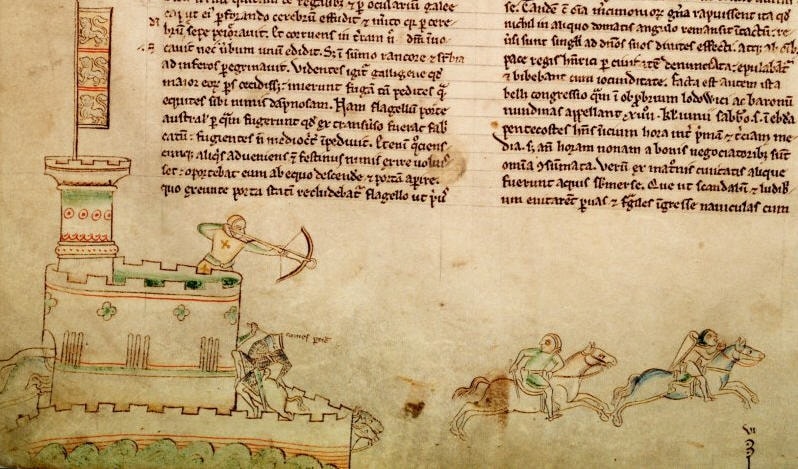
In China, Battle of Kherlen is unfolding. The Battle of Kherlen is the second significant victory over Ming dynasty China by the Mongols since 1368.
I kneel behind the willow fringe of the Kherlen River, tightening the bindings of my quiver while the vanguard horsemen test the wind on the long dry grasses of the Mongolian plateau. Our Ming banners stir above us in the late breeze. Dust lifts along the far ridge where the Mongols' tassels show, bright against the dark line of riders behind. A low horn sounds from beyond the willows, then another takes it up, longer and lower. I nock an arrow and draw a slow breath. The river glints under the late sun, and the first riders appear, dark and many against the paling sky. I loose my first shaft into the rolling dust of the long plain.
September 23, 1723 CE · Iran · I stand behind the interpreter as the ambassador takes the quill.
In Iran, Treaty of Saint Petersburg (1723) is unfolding. The treaty of Saint Petersburg is signed, in which Imperial Russia gains Derbent, Baku, and the coastal areas in between as well as the provinces of Gilan, Mazandaran, and Astrabad from Safavid Persia while the Shah receives Russian soldiers for domestic peacekeeping.
Within the long gilded hall of Saint Petersburg, I stand behind the interpreter with a sheaf of paper set out on a side table. On this twenty-third of September, the Persian ambassador Ismail Beg has stepped toward the desk where the Tsar's secretaries wait with ribbons, ink, and a brazier of red sealing wax. The terms move across the chamber in low voices — Derbent and Baku, the coastal lands between, and the provinces of Gilan, Mazandaran, Astarabad, all to pass under Russian rule, with Russian soldiers in return sent to quiet the shah's rebels. The quill touches parchment. The ambassador signs. A brazier crackles at the far wall, and the red wax slowly cools on its braid.
September 23, 1803 CE · India · My drumsticks wait in my belt as our line forms up.
In India, Second Anglo-Maratha War is unfolding. Second Anglo-Maratha War: The Battle of Assaye is fought between the British East India Company and the Maratha Empire in India.
Heat lifts off the dark soil of central India as our infantry stretches into line near the village of Assaye. I crouch with my drum behind the sepoys, watching the Maratha guns drawn up opposite and their massed cavalry wheeling, bright with banners, at our flanks. Sweat darkens the stocks of muskets in the ranks; officers pace forward and back, swords drawn, urging steady. A brass band strikes up somewhere on our right, then falls suddenly silent as the first cannon roars across the maize field and a ball tears through the leaves above us. I lift my sticks; the drum answers my wrist, and I beat the long roll as our line steps forward into the haze. Smoke runs low toward the river, drawn by the breeze.
September 23, 1899 CE · Philippines · I crouch on the wharf as the American squadron steers in.
In Philippines, Philippine–American War is unfolding. Philippine-American War: the American Asiatic Squadron destroys a Filipino battery at the Battle of Olongapo.
I crouch on the bamboo wharf at Olongapo, mending a torn net, as the gunboats of the American Asiatic Squadron slide past the headland. Their grey hulls ride low in the late sun, turning their broadside toward our earthwork battery on the rise above the harbor. The deck crews move in quick, practiced motions; the flags pull, the wind falling. I set down my net. My cousin lays his paddle against a post and crosses himself. A plume of water lifts off the rocks where a shell has fallen short, and a thin line of smoke rises from our gun pits. The squadron speaks almost as one, and the hot wind blows back across the water. I crouch lower on the wharf and listen for the next broadside.
PLACES IN THIS STORY
Explore the destinations behind this report
Italy
Rome
Browse travel guides, places to stay, attractions and local food in Rome.
Explore Rome →Things to Do in Rome in July 2026: A Heat-Smart Travel GuideShare this article