September 26, 46 BCE · Italy · White marble catches the late afternoon light as a vow is finally honored.

In Italy, Julius Caesar is unfolding. Julius Caesar dedicates a temple to Venus Genetrix, fulfilling a vow he made at the Battle of Pharsalus.
I kneel on the cool marble step, smoothing the last smear of stucco along the column base. The smell of wet lime stings my nostrils. Around me, the new temple rises, its pediment freshly carved with the figure of Venus herself. Priests in red-bordered togas move between the colonnades, carrying laurel and incense. A murmur rises from the crowd pressed behind the wooden barriers; they strain to glimpse Julius Caesar as he mounts the steps. He pauses beneath the dedication inscription, his hand resting briefly on the garlanded altar. A trumpet sounds. Wine splashes against the stone in libation, and the scent of it cuts through the dust. Veterans of Pharsalus stand rigid in the front rank, their eyes bright. The vow made before that bloody field in Greece is answered here, in Rome, on this soft September afternoon. A flight of doves wheels above the roof as the dedication prayers begin, the sun touching the marble before it sets.
September 26, 1493 CE · Spain · A quill scratches across parchment in the Vatican chambers, awaiting the papal hand.
In Spain, Dudum siquidem is unfolding. Pope Alexander VI issues the papal bull Dudum siquidem to the Spanish, extending the grant of new lands he made them in Inter caetera.
The heavy door to the chancery swings open, and I step aside to let a curial clerk pass with sealed briefs. My own task waits on the sloping desk: a fresh sheet of vellum stretched tight, ready for the papal hand. The room smells of lamp oil and the faintly sweet scent of beeswax used to seal documents. I dip my quill and wait. At the far end of the chamber, Pope Alexander VI reviews the draft bull, his finger tracing the lines, his lips moving silently over the Latin phrases. Outside the window, the bells of St. Peter's ring out for the hour. A secretary whispers something, and the Pope nods. He takes up his pen, signs with a flourish, and slides the document toward me. I sprinkle fine sand across the wet ink and prepare the silk cords for the lead seal. I bind them in crimson and call for the courier, who bears the bull south to harbors where ships ride at anchor.
September 26, 1687 CE · Turkey · Gunpowder smoke drifts toward the Parthenon as Venetian iron seeks an Ottoman store.
In Turkey, 威尼斯共和國 is unfolding. 威尼斯共和國軍隊砲擊被鄂圖曼帝國當作彈藥庫的帕德嫩神廟,造成建築嚴重受損。
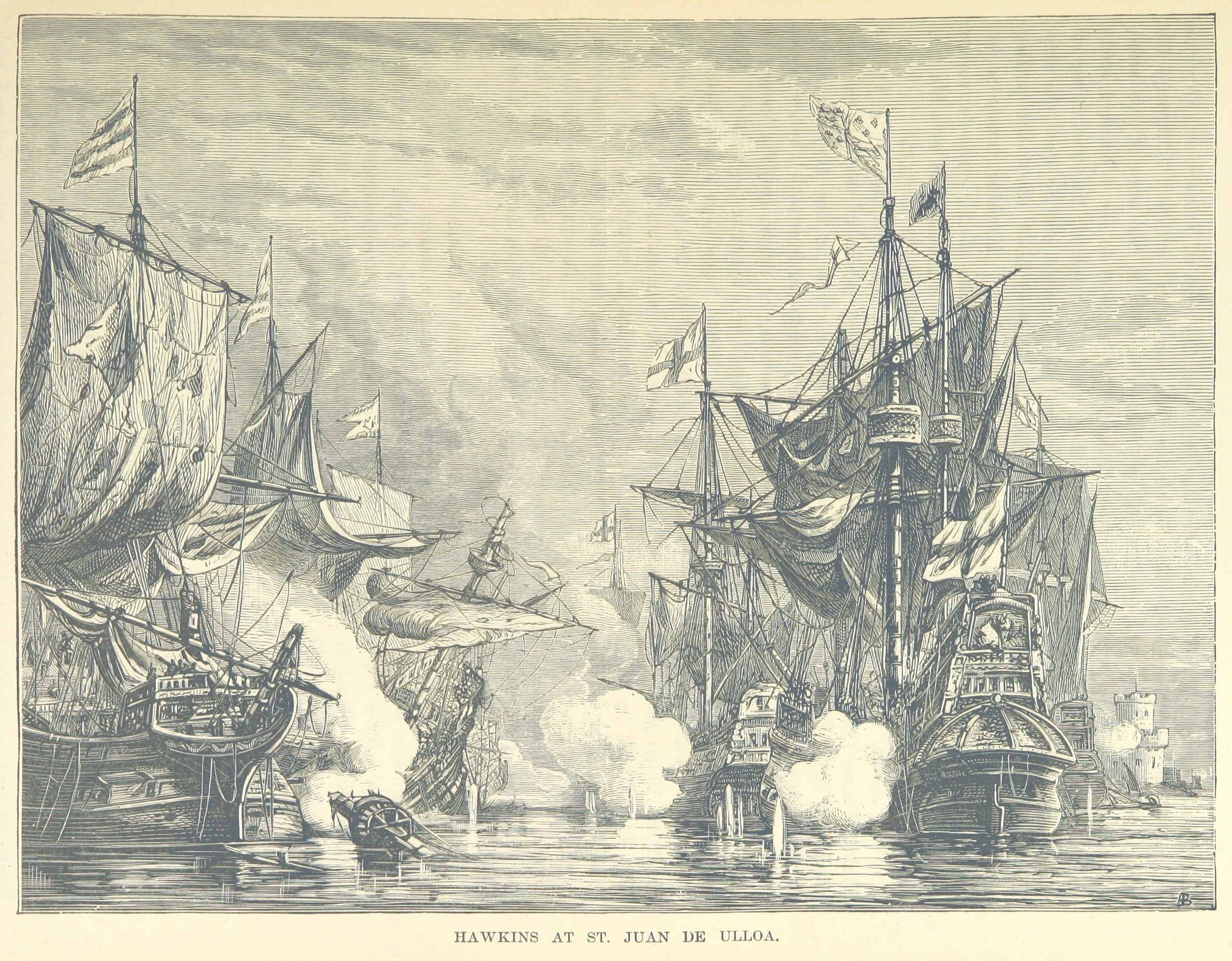
I crouch behind the earthen rampart and swab the cannon's bore with a wet sponge; the metal hisses under the wool. The Venetian gun crew moves around me with practiced rhythm, an artilleryman bringing the next round shot. Through the powder haze, the Parthenon stands on its rocky hill — the Ottomans have stuffed its marble halls with powder. Our orders are clear: silence that threat. I step back as the gunner pulls the lanyard. The roar rolls across the olive groves, a tongue of flame licking from the muzzle. The shell climbs, then falls toward the temple roof. A heartbeat later, a deep boom answers from the summit, a section of colonnade shuddering as smoke balloons skyward against the late-summer blue. Stone and dust rain down the rock face. An officer shouts for the next round; I ram the cartridge home. The shot finds its mark, and the smoke drifts east across the water, where galleys ride at anchor, their flags snapping in the harbor wind.
September 26, 1777 CE · United Kingdom · Redcoats pour across the river as the rebel capital braces for occupation.
In United Kingdom, American Revolutionary War is unfolding. American Revolutionary War: British troops capture and begin the occupation of Philadelphia, which had been serving as the American capital city, during the Philadelphia campaign.
I stand at my upstairs window, watching the scarlet columns wind up the main avenue in the late afternoon light. The British have marched into Philadelphia unopposed; the Continental Army slipped away two days before, leaving the capital to its fate. Below me, redcoat soldiers trample the muddy gutters while their officers shout orders at frightened servants. A drummer boy beats a long, rolling tattoo that echoes off the brick row houses. My wife crosses herself and retreats from the window; the children have been sent to cousins in the countryside. I pack the family silver into a linen bag and slide it beneath the parlor floorboards, then descend to greet the lieutenant billeted on us. He removes his hat at the door and apologizes for the intrusion. Outside, light horse clatters past toward the riverside wharves, and somewhere a dog howls at the strange commotion in our streets. Across the river, a heavy gunboat pushes slowly south as autumn dusk settles over our streets.
September 26, 1799 CE · France · Mud and snow mix with blood on the mountain passes as Suvorov's retreat unravels.
In France, War of the 2nd Coalition is unfolding. War of the 2nd Coalition: French troops defeat Austro-Russian forces, leading to the collapse of Suvorov's campaign.
I scrape the mud from my sabre scabbard and lean against a fieldstone wall, watching our column wind down the mountain track. Behind me, the day's fighting has just ended, and we are still counting the cost: our drums are silent, our fifes cracked from the cold. Officers canter past on spent horses, shouting the names of regiments that have lost half their strength. We have broken the Austro-Russian thrust, and the news spreads by word of mouth that Suvorov is retreating with what remains of his army, his bold advance now collapsing in pieces. A wounded grenadier leans on my arm, his coat stiff with blood. I give him a mouthful of brandy from my flask. Ahead, a foraging party drives a few goats down the path toward the French encampment. The autumn fog swallows the peaks above us, and somewhere to the north a distant bell tolls the close of this late September day.
September 26, 1810 CE · Germany · A French marshal's name echoes through the Riksdag hall as a new king-in-waiting rises.
In Germany, Swedish Act of Succession is unfolding. A new Act of Succession is adopted by the Riksdag of the Estates, and Jean Baptiste Bernadotte becomes heir to the Swedish throne.
I take my seat among the burghers on the worn wooden benches of the Riksdag, my traveling cloak still damp from the road into Örebro. The great chamber hums with murmurs; we have been convened to settle the succession once and for all. A secretary reads aloud the preamble of the new Act of Succession, his voice steady against the rustle of papers. The names of the royal houses are recited, and then — after a pause — that of Jean Baptiste Bernadotte, the French marshal chosen in August as Crown Prince. I watch the deputies' faces. Some nod, some frown, some simply stare at the carved pillars. When the question is put, the ayes rumble through the hall like a slow drum. The nays are few. The speaker strikes his mace against the table, and the law is made. I step down from the gallery and into the cold September evening, listening for the cheers that rise from the square below as the heralds spread the word across Sweden.
PLACES IN THIS STORY
Explore the destinations behind this report
Italy
Rome
Continue with our current travel guide to Rome.
Explore Rome →Share this article