Catch up on the essentials
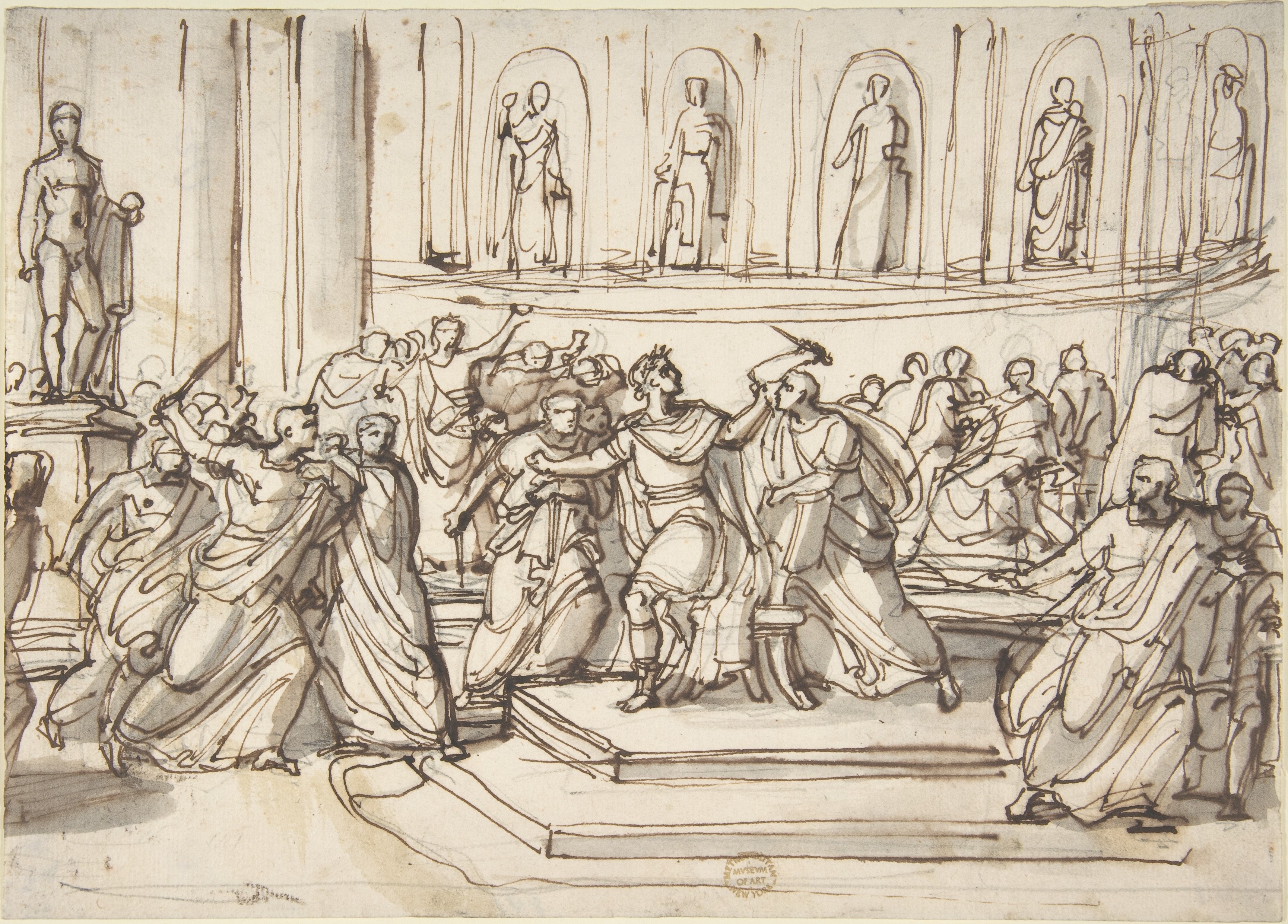
- Pompey the Great celebrates his third triumph for victories over the pirates and the end of the Mithridatic Wars on his 45th birthday.
- Danes capture Canterbury after a siege, taking Ælfheah, archbishop of Canterbury, as a prisoner.
- During the French War of Religion, Protestant coup officials in Nîmes massacre Catholic priests in an event now known as the Michelade.
Selected from this article · 2026-09-29
Read on for the full pictureSeptember 29, 61 BCE · Italy · I march behind the triumphal car

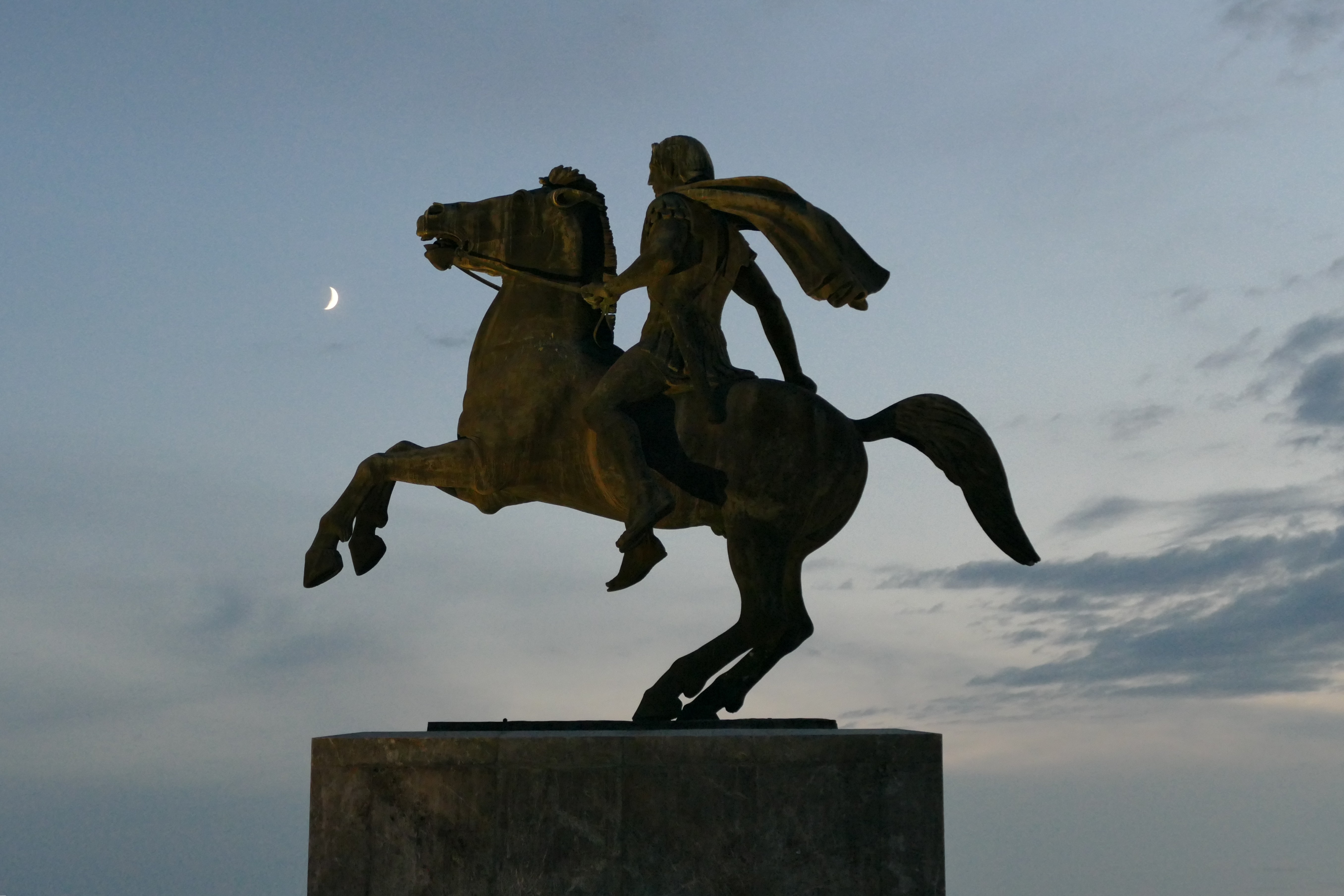
In Italy, Pompey is unfolding. Pompey the Great celebrates his third triumph for victories over the pirates and the end of the Mithridatic Wars on his 45th birthday.
The triumphal car rolls ahead of me, gilded and heavy, drawn by matched horses whose harnesses glitter with bronze. I am one of the legionaries in the procession, my armor polished for this morning. Today is the general's forty-fifth birthday, and the city has emptied itself onto the streets. Trumpets blare from somewhere ahead, their bronze voices carrying over the crowds packed along the route. I keep my head forward, my shoulders square beneath the cuirass. The cheers roll through the throng like distant thunder, and somewhere behind me the clatter of hooves on stone marks the procession's steady advance. The road climbs toward the Capitoline, where the final sacrifice waits.
September 29, 1011 CE · Denmark · I crouch behind the broken gate
In Denmark, Siege of Canterbury is unfolding. Danes capture Canterbury after a siege, taking Ælfheah, archbishop of Canterbury, as a prisoner.
I crouch behind the broken gate, ash and splintered oak beneath my knees. The Viking horde has poured through the breach, their axes rising and falling in the smoke-hazed square. Three weeks of starvation and prayer have ended in this single morning. Archbishop Ælfheah has been seized, his white robes dragged forward by mailed hands, his mitre knocked into the mud. I press my body against cold stone, my breath held tight in my chest. Boots thunder past. Somewhere a child is screaming, and a woman's voice rises sharp above the crackle of burning thatch. The archbishop is hauled toward the river, and I cannot tell which of us comes next.
September 29, 1567 CE · France · I run toward the cathedral
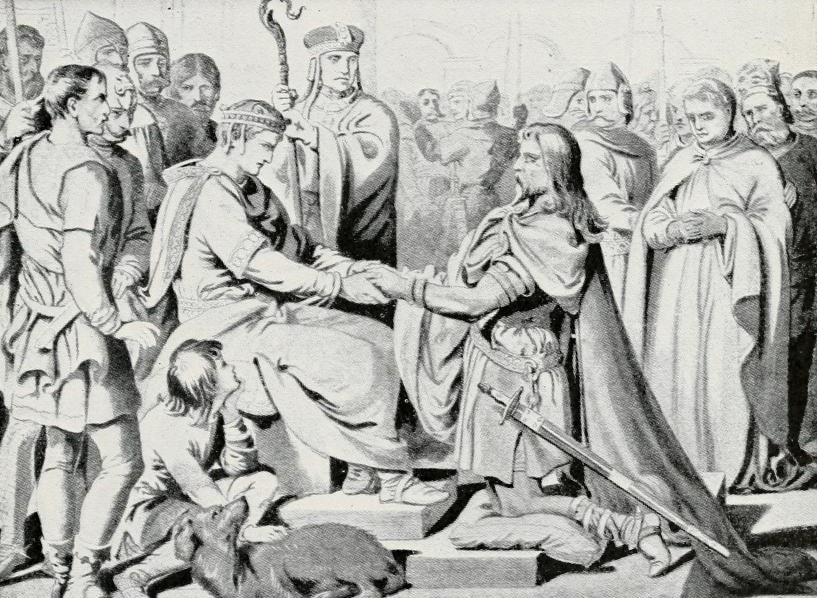
In France, French War of Religion is unfolding. During the French War of Religion, Protestant coup officials in Nîmes massacre Catholic priests in an event now known as the Michelade.
I run toward the cathedral, my boots slipping on stones slick with something dark. The Michelade has begun while the bells still tolled for morning prayer. Protestant officials move door to door through the bishop's quarter, dragging priests from their vestries into the street. The air smells of iron and smoke. I duck into a narrow alley and press against a wall plastered with religious broadsides. Steel rings against stone somewhere close. A man in a black cassock stumbles past my hiding place, pursued by three others whose doublets bear Protestant colors. He vanishes around the corner, the footsteps quickening after him. I flatten my palms against the brick, my chin tucked low, the sounds receding toward the next doorway.
September 29, 1578 CE · Spain · I mark the stones at the highland hollow
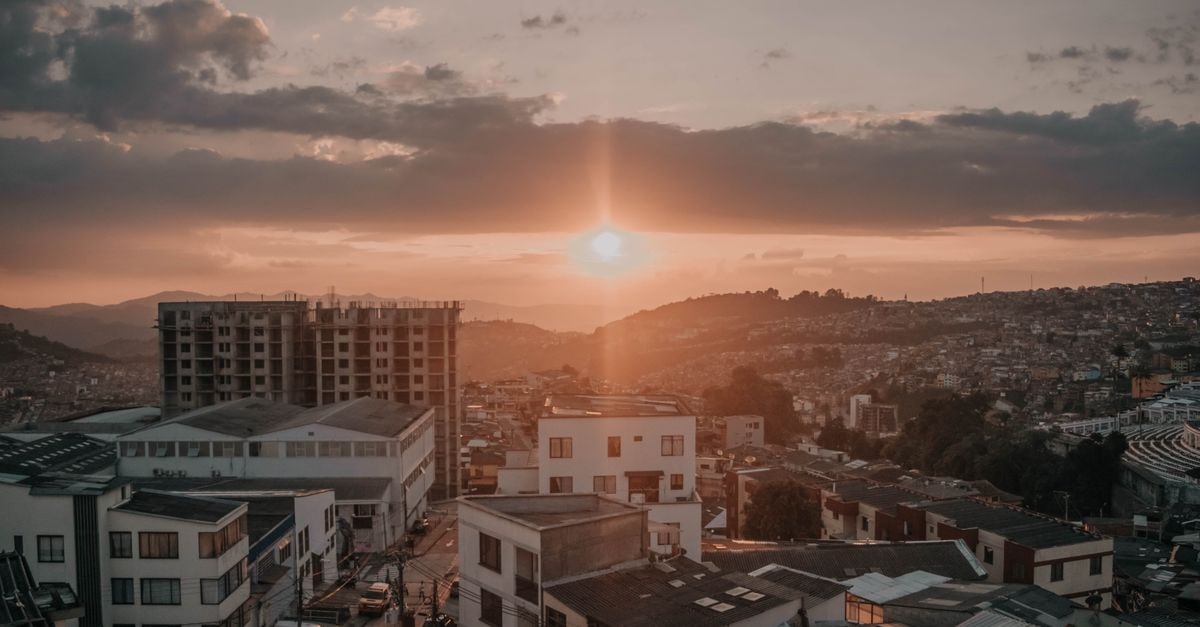
In Spain, Tegucigalpa is unfolding. Tegucigalpa, capital city of Honduras, is claimed by the Spaniards.
I mark the stones at the edge of this highland hollow, my breath thin in the mountain air. We have come through mountain passes, and the captain has given the order this morning. My chisel strikes the rough stone, fixing our presence into the canyon wall. Below us the river runs brown between the ridges, and smoke curls from cooking fires in scattered settlements. A painted tag goes up on a wooden post, a scrap of parchment tucked into a bottle at its foot. A resinous breeze drifts down from the higher slopes. I step back as the cloth above my head whips eastward, its colors snapping against the clouded sky like distant drums.
September 29, 1669 CE · Turkey · I wait in the cathedral square
In Turkey, Michał Korybut Wiśniowiecki is unfolding. Michał Korybut Wiśniowiecki is crowned king following the 1669 Polish–Lithuanian royal election.
I wait in the cathedral square with my cloak pulled tight against the morning chill. The new king is to be crowned today, elected by the noble assembly after long deliberation. Around me, velvet coats and silver chains shuffle forward as the procession forms. Bishops in mitered caps move toward the heavy doors, and the choir within has already begun to chant. I crane my neck toward the gilded carriage rumbling over the cobbles. Michał Korybut rides within, his face unfamiliar to me, his family name heavy with border reputation. Trumpets sound from the cathedral steps. The doors swing wide, and we surge forward into the incense-thick nave, the bright mechanism of ritual grinding into motion.
September 29, 1885 CE · United Kingdom · I board at the seafront stop
In United Kingdom, Blackpool tramway is unfolding. The first practical public electric tramway in the world is opened in Blackpool, England.
I board at the seafront stop with my hat in my hand, the salt wind tugging at my coat. The rails shine like twin silver lines down the promenade, and the motorman tips his cap as I find my seat. The broadsheets have called this the first practical public electric tramway in the world. Beneath the floor, a hum builds in the conduits, and the car shudders once before gliding forward. The autumn afternoon opens around us, gulls wheeling over the slate-grey water. I settle against the polished wooden frame as the iron poles flick past the window. The car picks up speed, the wheels singing on the rail, and somewhere ahead the next stop waits beyond the dunes.
PLACES IN THIS STORY
Explore the destinations behind this report
Honduras
Tegucigalpa
Browse travel guides, places to stay, attractions and local food in Tegucigalpa.
Explore Tegucigalpa →Tegucigalpa Travel Guide: Planning Tips, Costs and Things to DoShare this article