Tesla opens Cybercab rides in Austin with no manual controls

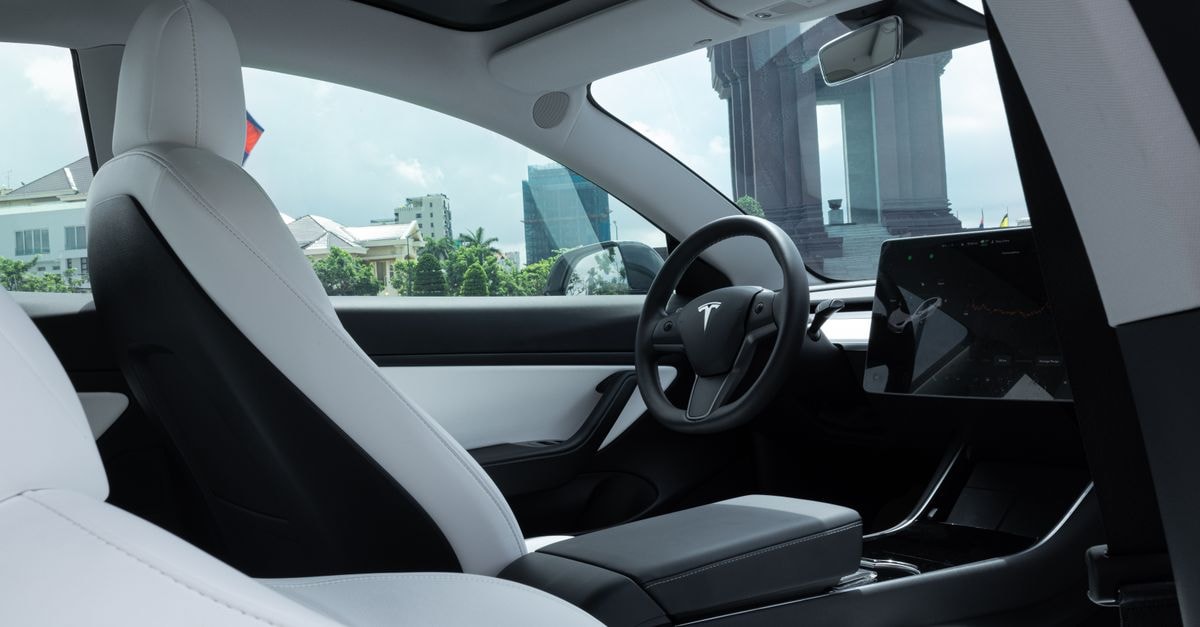
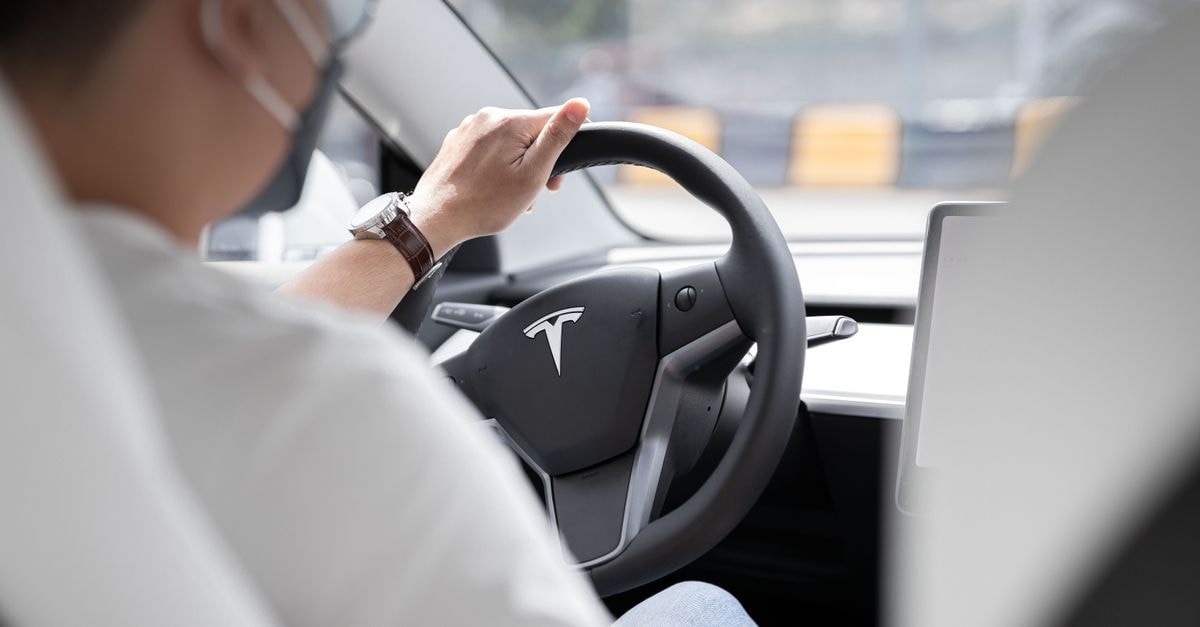
Tesla added its two-seat Cybercab to the public Robotaxi fleet in Austin, Texas, on Sept. 3, 2026, allowing riders within the company's geofence to hail a vehicle without a steering wheel, pedals or mirrors. The Cybercab is Tesla's first production vehicle built entirely without manual driving controls; the only cabin controls operate the seat, the center screen and the climate. Tesla framed the rollout as part of its push toward "fully autonomous driving," a step beyond the supervised Full Self-Driving software that the company has offered to date.
NHTSA opens audit of roughly 1,000 Cybercab vehicles
Hours after Tesla's downtown Austin launch event on Sept. 3, 2026, the National Highway Traffic Safety Administration said it opened an audit of about 1,000 Cybercab vehicles to assess how Tesla determined the cars comply with federal vehicle-safety regulations. Federal rules limit commercial deployment of vehicles that do not adhere to long-standing safety standards written for human-driven cars and require manual controls, creating a regulatory gray area that Tesla's rollout now intersects.
A two-seat, camera-only vehicle built around autonomy
The Cybercab seats two passengers, a sizing decision Tesla ties to internal data showing more than 80% of cab rides carry two or fewer riders. It uses cameras only — no lidar — and is designed to operate autonomously, summoned through Tesla's Robotaxi smartphone app. Musk described the vehicle as "designed and built for maximally efficient autonomous operation" and positioned the cabin as a connected lounge, noting that Starlink V5 satellite hardware enables 4K live video, gaming and other entertainment during travel.
Aerodynamics, drivetrain and a new manufacturing approach
Tesla claims a drag coefficient under 0.20 for the teardrop-shaped body, a figure that, if confirmed, would rival the GM EV1's 0.19 and beat the Tesla Model 3's claimed 0.22. EPA filings surfaced by industry coverage list a single front-mounted permanent-magnet motor producing 219 horsepower driving the front wheels, paired with a 48-kWh lithium-ion battery pack using Tesla's 4680 cylindrical cells — the same high-nickel cells shared with the Cybertruck, Semi, select long-range Model Y SUVs and the Optimus robot. For Cybercab production, Tesla says it has developed an "unboxed manufacturing" process that it claims shortens the production line by about 50%, a key input to its cost targets.
From launch event to potential consumer sales
Tesla has not announced a timeline for selling Cybercab units to individual buyers, but the company has posted a public interest form on its website to gauge demand from prospective fleet operators and individual owners. Tesla separately said its Robotaxi service had reached 1 million unsupervised autonomous miles since launching driverless rides, a milestone Musk cited as evidence that the broader autonomy program is scaling.
Regulatory and legal questions that remain open
Industry analysts noted that Tesla faces an uneven federal framework because U.S. vehicle safety standards were written for human-driven cars and require manual controls, while Musk's history of litigation could shape how aggressively the company presses the Cybercab into broader use. The NHTSA audit, combined with the absence of a confirmed consumer-sales date, leaves the Cybercab's commercial trajectory tied to ongoing regulatory review and Tesla's ability to defend its compliance arguments.
PLACES IN THIS STORY
Explore the destinations behind this report
United States
Austin
Browse travel guides, places to stay, attractions and local food in Austin.
Explore Austin →Austin Travel Guide: Planning Tips, Costs and Things to DoShare this article