Cybercab enters Austin robotaxi service

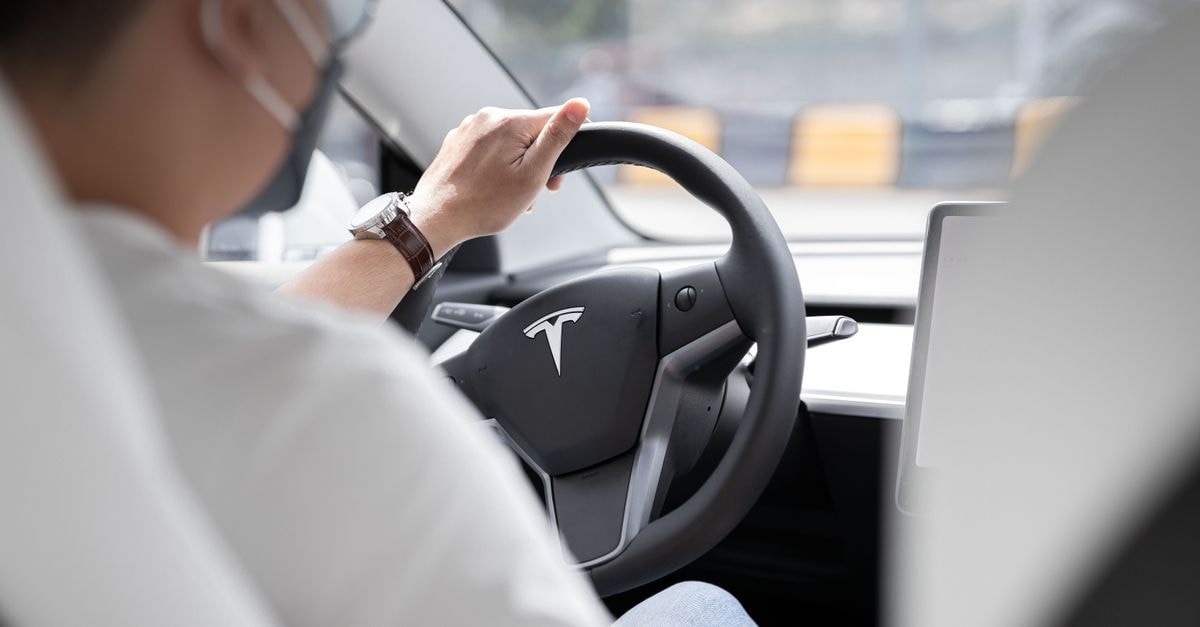
Tesla launched the Cybercab in Austin, adding a two-seat autonomous vehicle to its Robotaxi service. The vehicle is designed without a steering wheel or pedals, according to the launch report.
Texas authorizes a limited fleet
The Texas Department of Motor Vehicles shows 45 Cybercab vehicles authorized for driverless operations in Texas. That fleet is separate from Tesla’s Model Y robotaxis operating around Austin, where a tracker cited in the report estimates that slightly more than 150 vehicles are roaming the streets.
A driverless design raises safety questions
The Cybercab’s reliance on camera vision has drawn scrutiny over whether its systems can safely interpret road conditions. Personal injury attorney Donald Slavik questioned an approach that he said lacks acceptance across much of the industry.
Automotive expert Jeffrey Ross said crash levels appeared low but cautioned that the limited number of vehicles could have affected the figures. The report also cited estimates of roughly 300 Waymo vehicles and 160 Tesla vehicles in Austin, but it did not provide a comparable safety measurement for the two fleets.
Public reaction remains divided
Some Austin residents and visitors described the Cybercab as eye-catching and convenient, while others said they would prefer a human-driven taxi. The launch report recorded the vehicle attracting attention on Austin streets, without establishing broad public acceptance of the service.
Scaling remains the central test
Tesla is moving the Cybercab from a specialized autonomous vehicle into an operating robotaxi fleet without conventional driver controls. Its ability to maintain safe operations as deployment expands will determine whether the technology can scale beyond the initial authorized fleet.
PLACES IN THIS STORY
Explore the destinations behind this report
United States
Austin
Browse travel guides, places to stay, attractions and local food in Austin.
Explore Austin →Austin Travel Guide: Planning Tips, Costs and Things to DoShare this article