The exact birth-card arithmetic used here
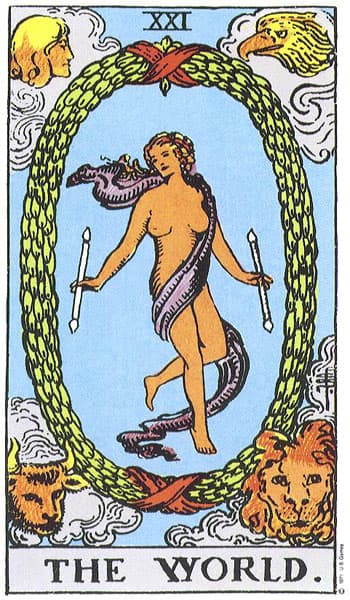
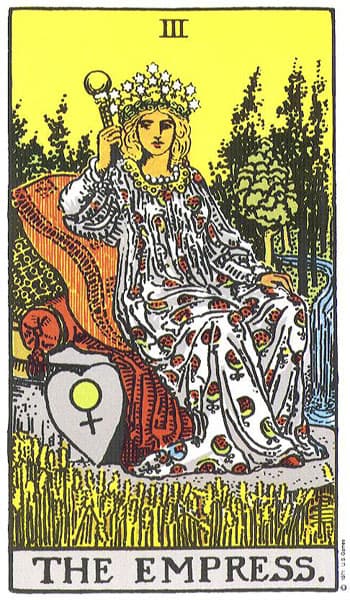
The calculator adds the numeric birth month, calendar day, and four-digit year. If the total is above 22, it sums the digits and repeats until the value is 22 or lower. Values 1 through 21 map to the correspondingly numbered Major Arcana card, while 22 maps to The Fool as 0. When the resulting number has two digits, the tool also sums those digits and shows the related single-digit card as a reduced companion. Every step appears beside the result. This is one documented modern tarot-numerology convention; other authors group or reduce the date differently and may therefore produce a different pair.
Why two cards can appear for one date
A result such as 17 can be read as The Star with an underlying 8, Strength. The first card preserves the compound total, while the reduced card supplies a second numerical relationship. The pair is not a ranking, hidden identity, or lifelong instruction. It is a compact way to study connections within the Major Arcana sequence. Compare the imagery and themes, note what genuinely resonates, and discard claims that do not fit lived experience. People sharing a birth date receive the same arithmetic, which makes clear that the result cannot describe an individual’s full history, abilities, health, values, culture, or future.
Personal data and interpretive limits
Only a Gregorian date is required, and the calculation runs in the browser. The date is not sent to NexaCurrent, added to an account, or placed in a shareable result URL. Even so, an exact birth date can be identifying, so avoid entering another person’s information without a reason or consent. Tarot birth cards are a contemporary symbolic practice rather than a validated personality model. They should not be used to screen employees, judge a partner, diagnose a condition, explain trauma, or make financial and legal decisions. Use the calculator to reproduce a convention, compare card imagery, or choose a long-term journaling theme—not to replace evidence about a person.