A southern Russian city that opens onto the Don

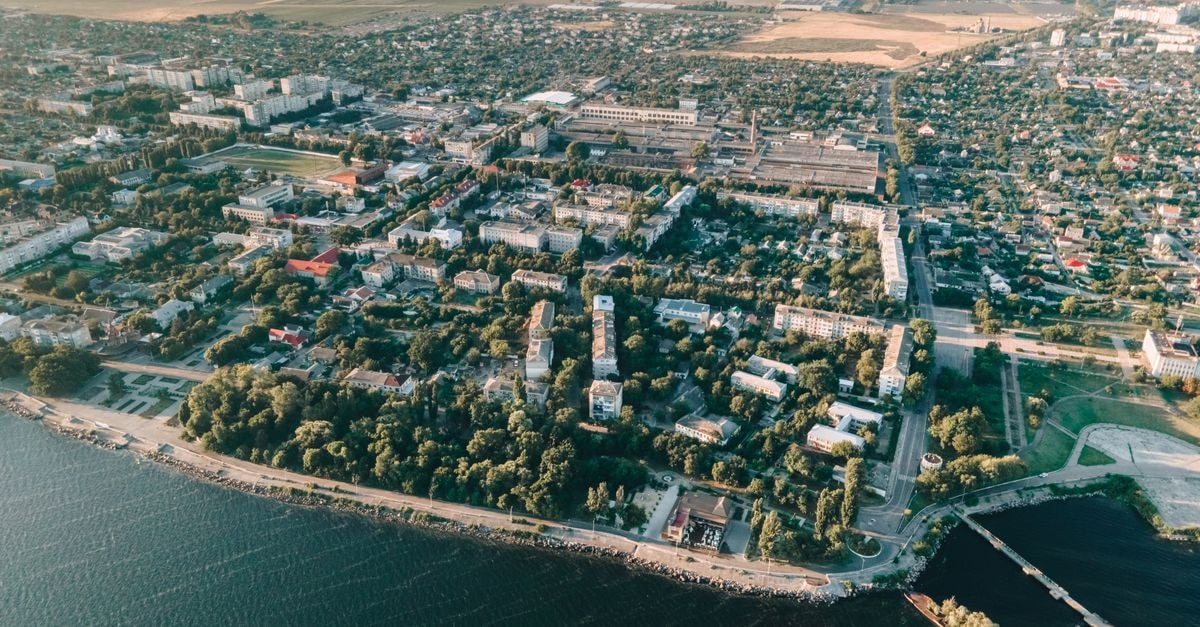
Rostov-on-Don has a particular kind of welcome. The city sits along the high right bank of the Don River, and that geography quietly shapes everything from morning walks to evening views. Because the river is wide and the bank is high, the cityscape tends to feel open, with long sightlines and a sense of sky overhead. Visitors who arrive expecting the compact intensity of older Russian capitals often find that Rostov-on-Don offers something gentler: a southern Russian rhythm, more horizontal than vertical, and centered on its waterfront.
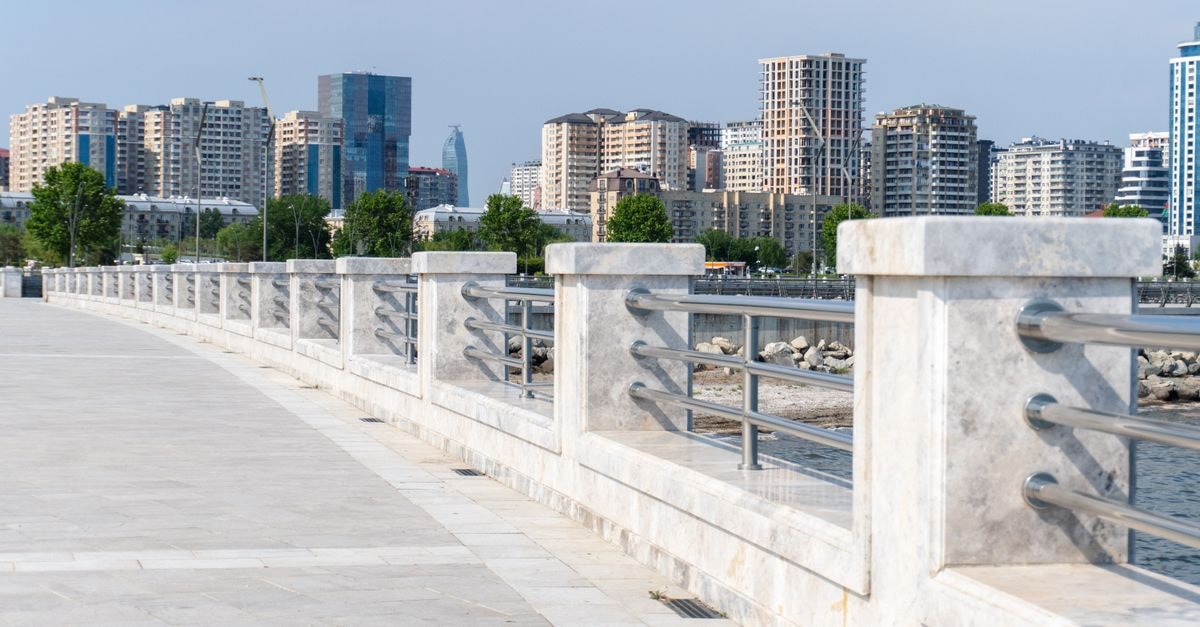
For first-time visitors, two reference points are worth keeping in mind. The first is **Bolshaya Sadovaya Street**, the imperial-era main avenue lined with old merchant mansions, an easy spine for orientation. The second is the **two-kilometer embankment** with its river piers, which is where the city most clearly meets the Don. Walking from one to the other gives a quick, honest feel for the place.
Weather and seasonal context
There is no direct month-specific temperature or condition data in the approved sources, so this guide stays intentionally evergreen about the climate. What the evidence does support is the geographic personality of the city: a southern Russian setting, stretched along a high right bank of the Don, with a long embankment and a wide central avenue.
In practical terms, that geography matters more than any single number. A high bank means breezes off the river can pick up, especially along the embankment, and a long open promenade means there's room to pace a walk however the day feels. Pacing tends to be a matter of personal comfort rather than weather extremes; layered clothing generally suits a southern Russian riverside city better than a single heavy layer, because mornings and evenings along the water can feel cooler than the open streets.
If a reader is weighing the overall experience, the relevant question is less "what is the temperature right now" and more "how do I want to use the riverfront." The embankment is the kind of place where visitors tend to slow down, while Bolshaya Sadovaya rewards a more purposeful stroll past its merchant-mansion façades. Neither requires specialized planning, which is part of the appeal.
Getting around
Rostov-on-Don is described in the broader reference material as the biggest city in Southern Russia and a major urban center, which means the practical logistics are conventional for a sizable Russian city. For visitors arriving by air, the reference gateway is **Platov International Airport**, identified by the IATA code **ROV**.
Within the city, the two anchor points again do most of the orientation work. Bolshaya Sadovaya Street acts as the central axis, with the embankment running roughly parallel along the high bank of the Don. Because those two corridors are linear and close to each other, a great deal of casual exploration can happen on foot between them without needing to think about routes at all.
For longer stays or for visitors who want a base that reflects the city's design sensibility, the available reference material points to a specific accommodation option: the **Rostov Hotel**, described in the source as bringing "modern architectural aesthetics" into everyday use and pitched as a stay that "will delight architecture enthusiasts." That phrasing is the source's own characterization, and it's a reasonable filter: travelers who care about a designed interior experience have a named option in the evidence; travelers who only need a bed have plenty of conventional alternatives in any city of this size.
One thing the evidence does not specify is a fare structure, a transit map, a timetable, or a ticketing system. Rather than guess at any of those, the practical advice is to treat Platov Airport as the air gateway, the Bolshaya Sadovaya / embankment pair as the walking core, and the Rostov Hotel as the explicitly named stay for design-minded visitors.
Food and local context
The approved food evidence is national rather than city-specific, so what follows is framed as wider Russian food culture that visitors may well encounter while spending time in Rostov-on-Don, not as a claim about city specialties.
A useful starting point is the tone of the cuisine itself. The country-level sources push back against the older stereotype of Russian food as uniformly gray and heavy, and instead describe a kitchen built on the crackle of pork fat rendering in a cast-iron skillet and on the sharp tang of fermented rye bread that lingers on the palate. That contrast is worth holding onto at the table: Russian food culture has both the hearty, slow-cooked register and the sharp, fermented register, and a meal can move between them in a single sitting.
Two specific national references recur in the evidence and tend to travel well across Russian cities. The first is **pelmeni**, described as Siberian meat dumplings and widely framed as a kind of universal Russian comfort food. The second is **black caviar**, presented in the source as one of the most expensive food products on Earth, with a backstory tied to ecological strain and the slower recovery of aquaculture. Neither of these is presented here as a Rostov-on-Don specialty; both are framed as wider Russian context a visitor is likely to meet in some form, whether at a neighborhood café or a more formal restaurant.
The practical takeaway is modest and honest. Visitors who want to read the city through its food can use these national reference points as a vocabulary rather than a checklist: look for pelmeni on a menu as a comfort anchor, treat caviar as an occasional luxury rather than an everyday expectation, and notice how rye, pork fat, and slow-cooked flavors show up in dishes that may be unfamiliar by name. That framing respects what the evidence actually supports.
How to use this guide
Rostov-on-Don rewards a simple shape: arrive via Platov Airport, orient yourself along Bolshaya Sadovaya, then spend unhurried time on the embankment where the city meets the Don. Use the Rostov Hotel if a designed interior matters to you, and let the meal be a slow read of wider Russian food culture rather than a hunt for a single signature dish.
Travel conditions can change, and details such as opening hours, transit options, and availability are best confirmed through official channels before departure. Treat the points in this guide as a grounded starting frame, then verify anything that affects a specific booking or plan.
Share this article
TOOLS FOR THIS PLAN
Make the Rostov-on-Don plan measurable
Choose a tool only when it answers the next question in your trip. Your values stay in the browser, and each tool offers a route back to this planning context.