A quiet coastal base with surf energy

Wanning sits along the southeast coast of Hainan Island, and that simple geography shapes the whole mood of a visit. The city pulls in roughly half a million visitors a year and is now home to more than 160 surf clubs, which gives even a short stay the feel of a place that has found its rhythm. There is no need to rush between monuments here; the coast, the breaks, and the small inland pockets of culture do most of the talking.
Weather and seasonal context
Wanning carries a tropical climate, with an average annual temperature that hovers around 24°C. That figure, paired with the gentle phrasing used in long-term climate summaries describing Wanning as pleasant for the majority of the year, suggests a destination that rarely feels punishing. Sun protection, light layers for air-conditioned interiors, and a relaxed pace tend to serve visitors better than a packed schedule.
The coast is the headline act. Wanning has built a reputation as a surf destination, and the beach scene is wonderfully mixed. Beginners grin through their first pop-ups while sun-kissed pros dance across the water with the ease of long-time locals. Watching the lineup from the sand is its own kind of entertainment; signing up for a lesson with one of the many surf clubs is the obvious move for anyone who wants to actually get in the water.
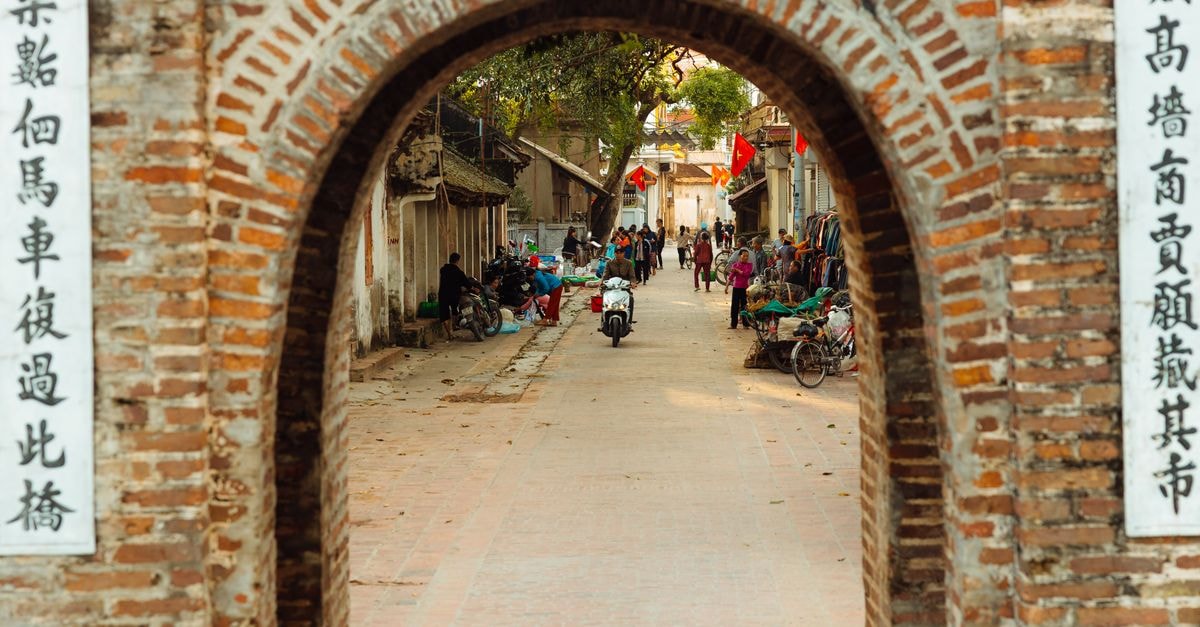
Beyond the surf breaks, the city sits within easy reach of inland pockets that slow the pace nicely, including the Bali Village area, a uniquely cultural attraction in Hainan with a Nanyang feel. Stepping into that village evokes the atmosphere of a Southeast Asian town, which makes it a natural counterpoint to the ocean-facing half of the trip.
Getting around
Wanning is a place where most travelers pair a coastal base with a few inland outings rather than racing across the city. Staying at a full-service resort along the coast is a popular approach, with options that include amenities such as free Wi-Fi, free parking, and on-site spa facilities, so guests can settle in and let the resort handle the logistics for a stretch.
For short hops between the coast and cultural stops like Bali Village, taxis and ride-hailing are the simplest way to keep things easy. Because distances between the major points of interest are generally manageable, it is worth planning the day in two slow halves, one anchored to the ocean and one anchored to a cultural pocket, rather than trying to connect every stop in a single circuit.
Independent travelers who like to keep their options open will find that a small number of bases, mixed with flexible local transport, is the most forgiving approach. Booking a stay with comfortable amenities near the surf side of town tends to give the best balance between atmosphere and convenience.
Attractions and planning
Most visitors anchor themselves to the surf coast, where the cluster of more than 160 clubs keeps the scene lively from early morning sessions to golden-hour lineups. That density means lessons, board rentals, and beginner-friendly waves are easy to find without pre-planning every detail.
The cultural side of Wanning offers a satisfying change of scenery. Bali Village stands out as a uniquely cultural attraction in Hainan, with a Nanyang architectural and atmospheric influence that makes it feel distinct from the standard resort template. It reads as a small town transplanted from elsewhere in Southeast Asia, which gives travelers a chance to slow down, browse the lanes, and absorb a different side of regional Hainan identity.
Because Wanning pulls in around half a million visitors a year, the busiest pockets can feel lively at peak times, but the overall scale stays manageable. Travelers who want a quieter feel often aim for early mornings on the beach, late afternoons at cultural stops, and the slower middle of the day for pool time, lunch, or a spa break at their resort.
Food and local context
Food in Wanning spans a wide spread of traditional Hainanese dishes and everyday street flavors, which makes wandering and sampling a satisfying way to eat through a stay. Visitors who want to dig a little deeper often look inland toward the Xinglong coffee plantations, where estates grow coffee, walk guests through production from bean to cup, and offer tastings of local brews. A coffee estate visit pairs nicely with a slow morning or a relaxed half-day inland, and it adds a layer to the trip that beach time alone cannot.
Wider Chinese dining culture also colors the experience in Wanning. In China, food is treated as one of the great cultural expressions of the country, and eating is woven into social life with a long history of ritual and etiquette. In Wanning, that broader culture shows up in the way meals are shared, the variety of regional and local dishes on offer, and the casual respect shown to communal dining habits. Travelers who take a moment to observe, follow the host's lead on seating and toasts, and ask about unfamiliar dishes tend to get the warmest welcome.
A balanced approach usually works best: a few classic Hainanese plates picked from a local menu, a couple of casual street snacks explored on foot, and at least one coffee estate tasting to round out the food story. None of it needs to be scripted in advance, which is part of Wanning's quiet charm.
A few practical notes
Factual travel conditions in Wanning can change, and details around transport, surf club availability, and estate visits are worth confirming through official channels or your accommodation before departure. Treat resort amenities, prices, and opening arrangements as starting points to verify rather than fixed guarantees. With that little bit of flexibility, Wanning rewards travelers who come for the surf, stay for the slow coastal mood, and let the cultural pockets reveal themselves at their own pace.
Share this article
TOOLS FOR THIS PLAN
Make the Wanning plan measurable
Choose a tool only when it answers the next question in your trip. Your values stay in the browser, and each tool offers a route back to this planning context.