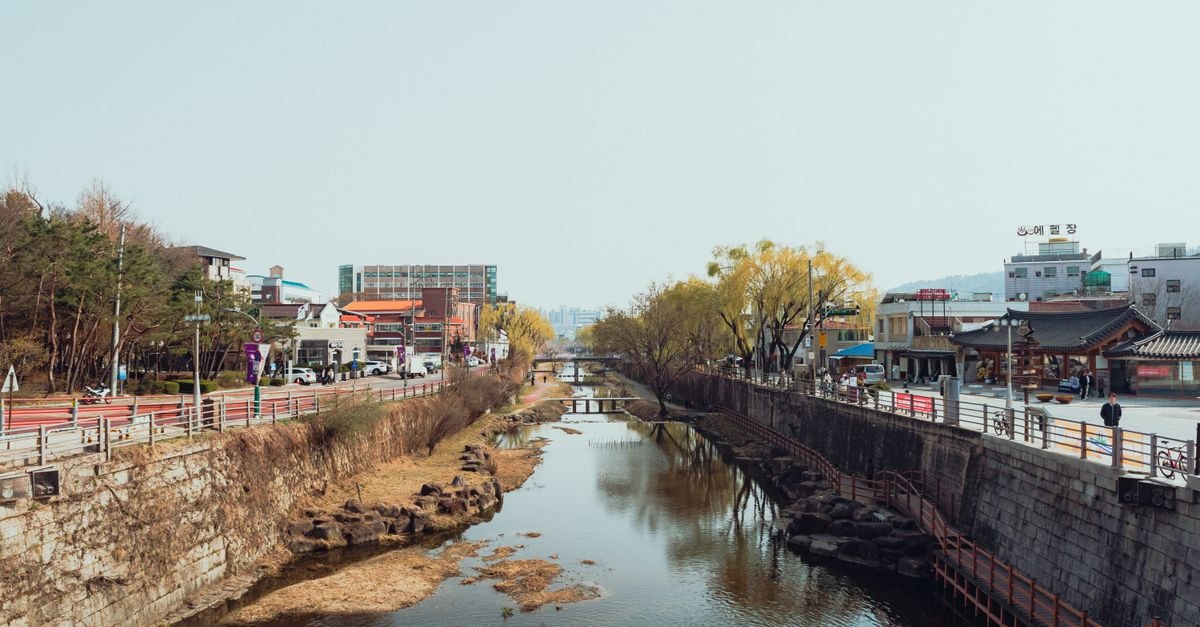
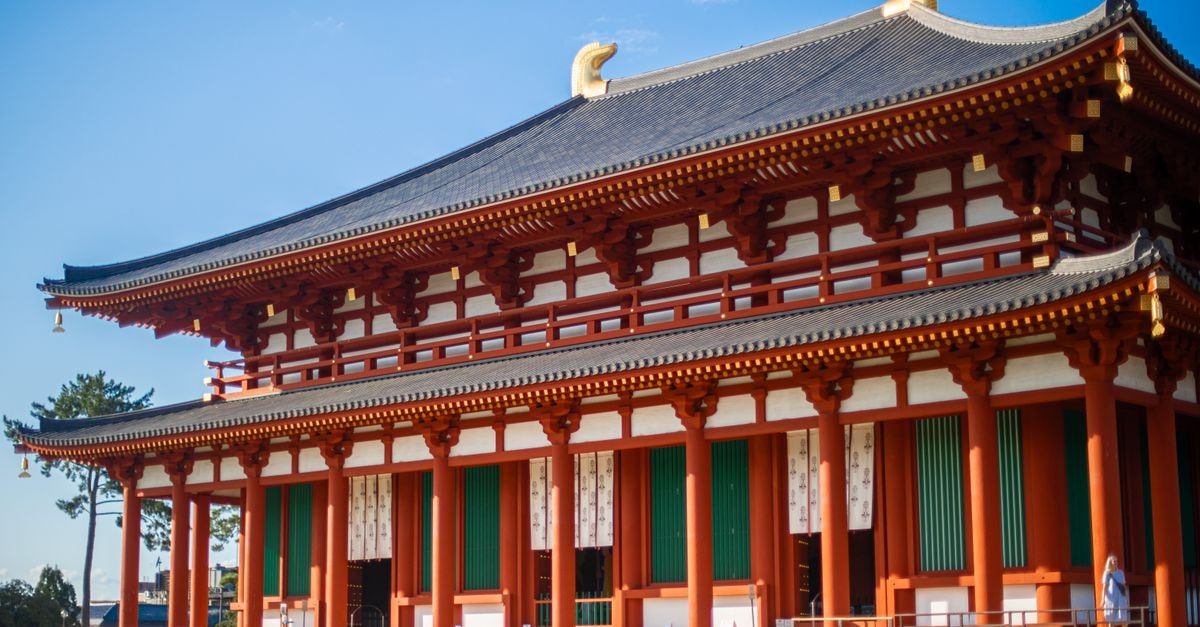
A first impression of Taiyuan

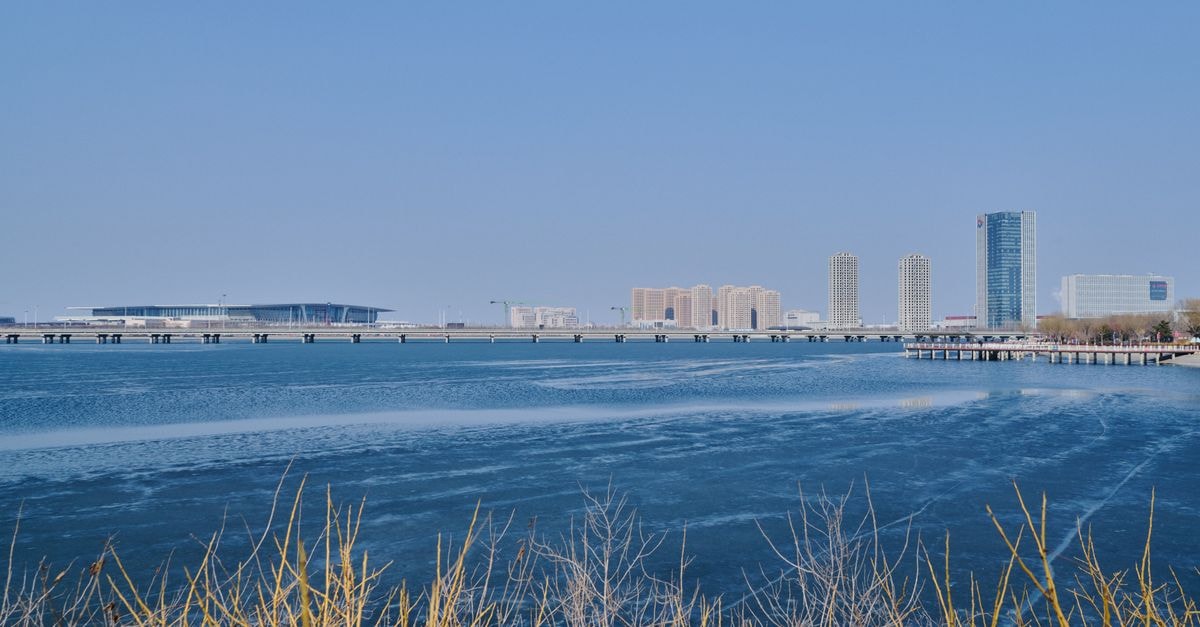
Taiyuan sits in the heart of Shanxi province as the kind of capital city that rewards travelers who like a little texture in their trip. The pace is gentle, the streets are wide, and there is a steady sense that this is a place built around working trades and long meals rather than glossy skylines. Many visitors find themselves pleasantly surprised by how much there is to take in once they slow down: provincial museums with serious collections, the rhythm of train and air arrivals, and a regional food tradition that has shaped local identity for centuries.
A useful way to approach Taiyuan is to treat it as a base for culture and conversation. The city reads as a hub for the wider region, and its transport links, dining customs, and museum offerings reflect that role. This guide focuses on what is reliably worth your attention before you arrive: how the weather feels across the year, how to move in and around the city, what to put on your list, and what to know about the local food scene.
Getting around
Taiyuan is easy to reach and fairly straightforward to navigate once you arrive. The city is served by a single airport, Taiyuan Wusu Airport, which is also one of the most important aviation hubs in Shanxi province. For travelers coming from other parts of China, this is the natural air gateway, and it connects the city into broader domestic routes.
If you prefer to arrive by rail, Taiyuan functions as a genuine railway hub. It sits at the terminal end of the Beijing–Taiyuan and Shijiazhuang–Taiyuan lines, and it is the starting point for the Taiyuan–Jiaozuo line. The city is also a major stop on the Datong–Xi’an corridor, the Taiyuan–Jiaozhou route, and the Shijiazhuang–Taiyuan railway. In practical terms, this means travelers coming from Beijing, Shijiazhuang, Datong, or points south have multiple train options, and the rail network feels like a natural extension of a Shanxi itinerary rather than a logistical puzzle.
Attractions and planning
Taiyuan’s cultural offering is anchored by a museum scene that punches well above its weight. The Shanxi Museum is widely regarded as one of the strongest provincial collections in China, and visitors tend to treat it as a destination rather than a backup plan. Its galleries stretch well beyond a quick loop, so block out generous time and let the building’s rhythm guide you.
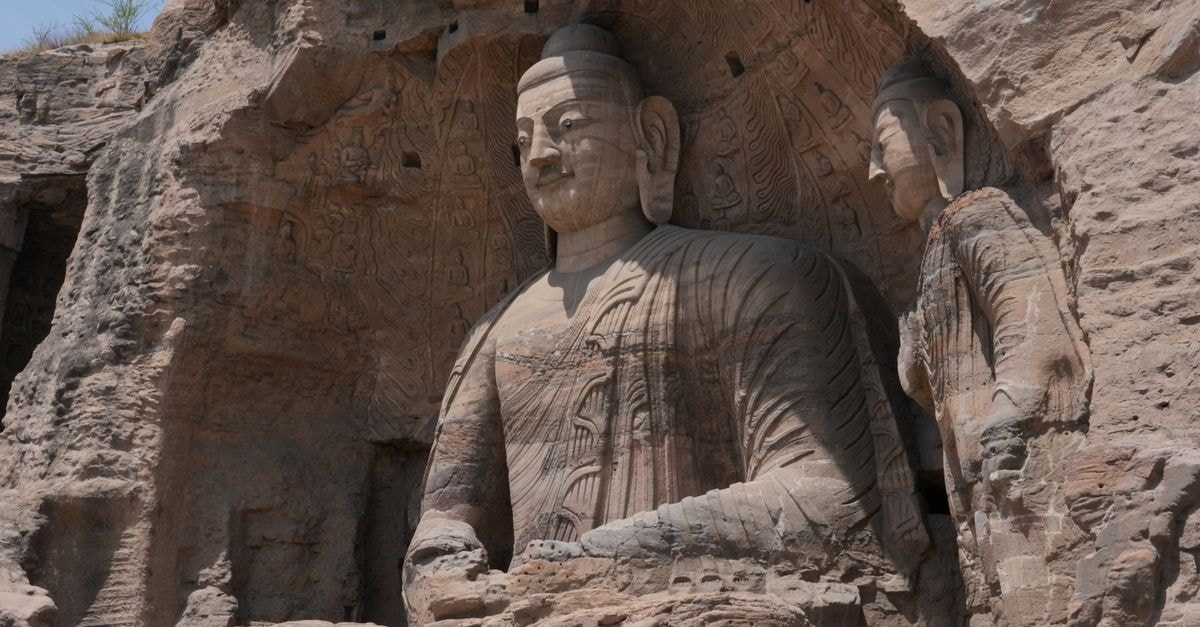
Beyond the provincial museum, the city is also home to one of the more innovative in-situ museums in China, still largely under the international radar. Travelers who enjoy stepping slightly off the standard sightseeing path often find this kind of venue to be a highlight, precisely because it blends the surrounding landscape or historic structure into the visit itself. For a city that sometimes gets skimmed past on the way to more famous Shanxi sites, these museums give Taiyuan a real reason to be the main event.
A practical tip is to treat museums as anchor points and group lighter stops around them. The provincial museum is the obvious centerpiece, and pairing it with a more unusual in-situ visit creates a satisfying balance between the big-picture story of Shanxi and a more intimate, place-based experience.
Food and local context
Food is one of the most enjoyable ways into Taiyuan’s identity. The general flavor of local cooking tends to taste salty, sometimes spicy and sour, which gives the cuisine a backbone that holds up well after a long day of walking. Visitors quickly notice that wheat, rather than rice, is the foundation of many meals here, and Shanxi has a long reputation for its cooked wheaten food, often described as some of the best in China.
That wider Shanxi food culture is something travelers will encounter throughout the city, not just in dedicated restaurants. Bowls of hand-pulled noodles, simple wheat-based soups, and savory flatbreads appear in casual spots as easily as in more formal dining rooms. The tradition is woven into daily life, which means a memorable meal does not have to mean a special reservation.
For travelers who want a specific, well-known place to start, the Taiyuan Noodle Restaurant at the junction of Da Nan Men (South Gate) and Yingze Dajie (Yingze Avenue) is a useful landmark. Its location at a recognizable intersection makes it easy to find, and noodle houses like this one offer a friendly entry point into the local wheat tradition. Across the city, there is plenty of delicious food to be tasted, and the joy is in letting small neighborhood spots surprise you.
A light practical note: menus in Shanxi cuisine often lean on vinegar, wheat, and slow-cooked broths, so if you are new to the regional style, start with a classic noodle bowl and build from there. Asking what is fresh that day is almost always rewarded with a good suggestion.
Closing thoughts
Taiyuan rewards the traveler who treats it as a destination in its own right rather than a transit point. A comfortable plan usually involves arriving by air or rail, settling into a base near the main axes, giving the Shanxi Museum the time it deserves, exploring one of the city’s more distinctive in-situ museums, and letting the wheaten food tradition guide at least a few of your meals. With a modest pace and a little curiosity, the city reveals a side of Shanxi that is generous, grounded, and quietly memorable.
Travel conditions can change, so it is always wise to confirm opening hours, transport schedules, and any entry requirements through official channels before you depart. Treat the details in this guide as a starting point, and let the city itself fill in the rest.
Share this article
TOOLS FOR THIS PLAN
Make the Taiyuan plan measurable
Choose a tool only when it answers the next question in your trip. Your values stay in the browser, and each tool offers a route back to this planning context.