A soft opening into Fergana

Fergana sits in the eastern arm of Uzbekistan's Fergana Valley, a long-inhabited plain framed by mountain ridges and threaded with rivers. The city has a relaxed, unhurried atmosphere that tends to ease travelers in within the first afternoon, especially those arriving from longer journeys elsewhere in the country. What draws most attention once you start exploring is the everyday texture of the place: the rhythm of the streets, the welcome of neighbors, and a food scene that pulses most visibly through the local bazaars.
This guide focuses on two of the things travelers most often want to understand before and during a visit: how to actually reach and move around the Fergana Valley, and where the markets shape daily food life. Both are grounded in the same local overview that visitors tend to read first, so what follows stays close to that foundation rather than drifting into general travel filler.
Getting to and around the Fergana Valley
Reaching Fergana has genuinely become easier over the past few years, and the options now read like a menu rather than a puzzle. According to the city's own transportation overview, it is becoming easier and faster than ever to get to Uzbekistan's Fergana Valley by plane, train, or vehicle from both domestic and international destinations, and the same source provides all you need to know about transportation and how to get to, from and around Uzbekistan's Fergana Valley.
Within Fergana itself, getting around tends to be straightforward. The city is laid out in a way that lets you string short walks together, and the bazaars and main gathering points are usually reachable without complicated planning. For travelers who prefer not to map every minute, that compact geography can feel like a quiet advantage. If you are the kind of visitor who likes to compare transport options before committing, the transportation overview used in Fergana is a useful reference point for thinking through how each mode fits your pace, your luggage, and how much of the journey itself you actually want to experience.
Travelers who arrive from elsewhere in Uzbekistan and value a calm, sit-down journey may find that the train option suits them, since rail remains one of the documented ways of reaching the valley. Visitors who prefer to watch the landscape change as they approach may consider overland arrival by car or shared vehicle, which the same overview lists as an option for getting to the Fergana Valley.
Food, markets, and the rhythm of daily life
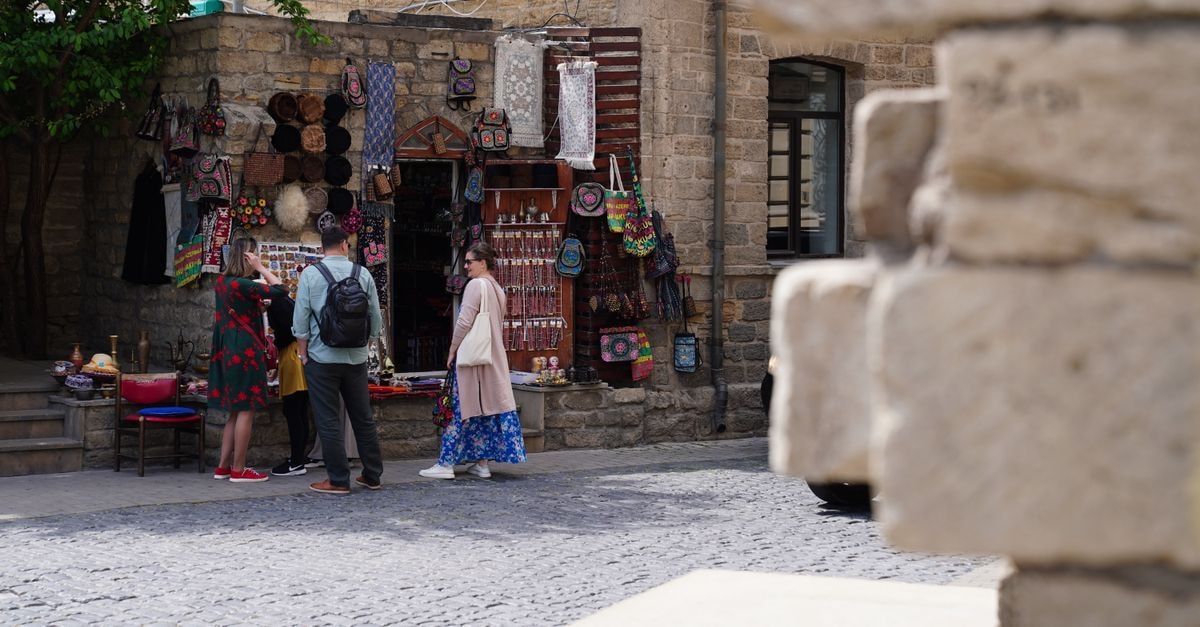
Food in Fergana is most visibly encountered through its markets, and the local overview treats bazaars as the natural starting point for understanding what people eat and how they shop. Visit any of Fergana Valley's vibrant and bustling markets and you'll see what we mean, and the same source notes that while most cities and towns will have their own markets and bazaars, the following is our list of recommended markets to visit in the Fergana Valley.
That phrasing is worth pausing on, because it reframes how to plan food time in the city. Rather than treating restaurants as the only stage for local cuisine, travelers tend to get a fuller picture by stepping into the bazaars first. Stalls layer spillover displays, the produce aisles sound different from the spice corners, and the rhythm of bargaining and greeting gives a sense of how daily life actually unfolds here. A second regional source reinforces the same framing, noting that although every city and town has its own market, here are some of the most recommended bazaars to visit in the Fergana Valley.
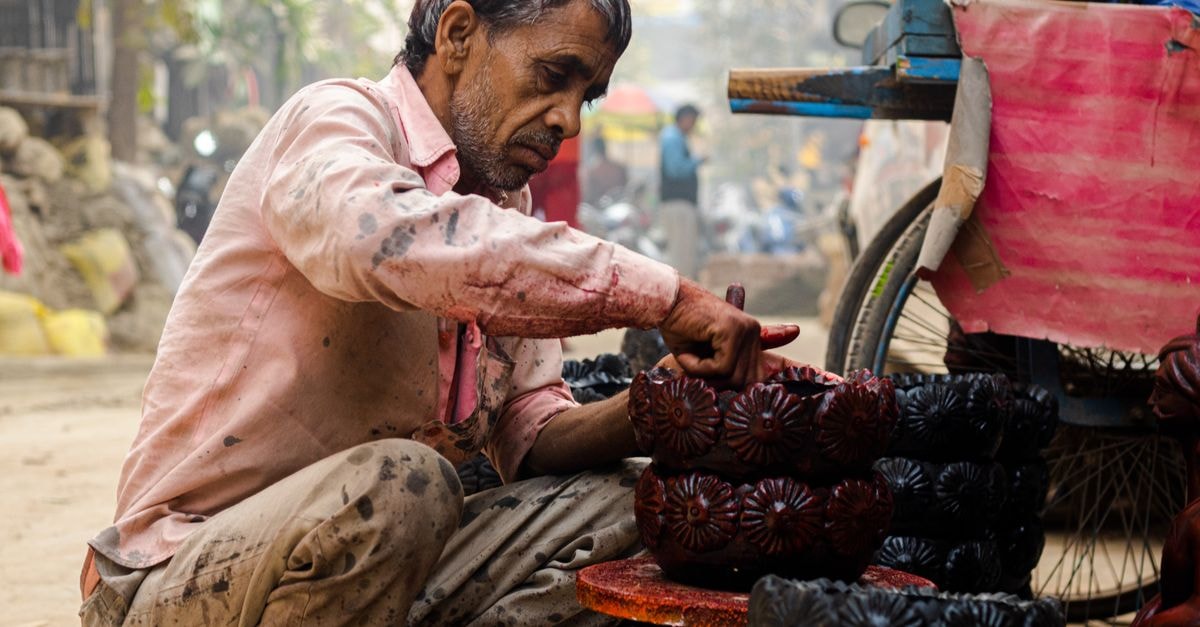
For travelers who enjoy cooking or simply want to understand what is in season, walking through the markets in the morning tends to be rewarding. The light is that gentler, the stalls are restocked, and there is a little more time to ask vendors what something is and how to prepare it. Visitors who prefer slow, observational travel may find that a single morning spent moving between market sections gives them more sense of Fergana than several restaurant meals would. The bazaars are also where seasonal produce, dried fruits, nuts, and breads tend to be most photogenic, so if you are the kind of traveler who likes to capture everyday scenes rather than staged sights, the markets are often the most rewarding part of a day in Fergana.
Choosing what fits the trip
The two themes above can be sequenced in different ways depending on what kind of visit you are planning. Travelers who arrive by air or rail and want to keep logistics minimal may want to base themselves in the city and use the markets as a daily anchor, returning each morning to walk a different section or to chat with regular vendors. Travelers who arrive by road and enjoy the journey itself may want to time market visits for the second day, once the rhythm of arrival has settled and there is more attention to spend on stalls and produce.
For visitors who prefer a slower pace, the bazaars are forgiving spaces: there is no fixed route to follow, no timed entry, and no expectation to buy. For those who like to combine movement with food, the compact geography of the city means a morning market visit and a relaxed afternoon wander tend to sit comfortably in the same day without rushing. The point is less about a prescribed sequence and more about letting the transportation choice and the market visits support each other.
Prices, opening hours, schedules, reservation rules, and local conditions can change; verify them through official channels before departure.
Share this article
TOOLS FOR THIS PLAN
Make the Fergana plan measurable
Choose a tool only when it answers the next question in your trip. Your values stay in the browser, and each tool offers a route back to this planning context.