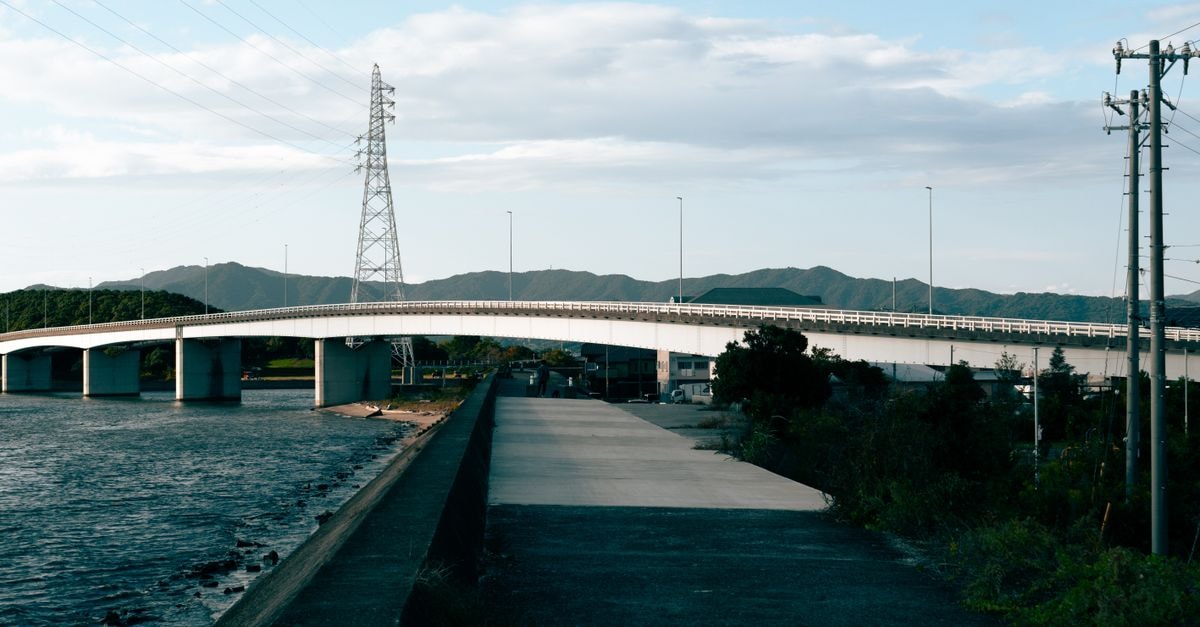
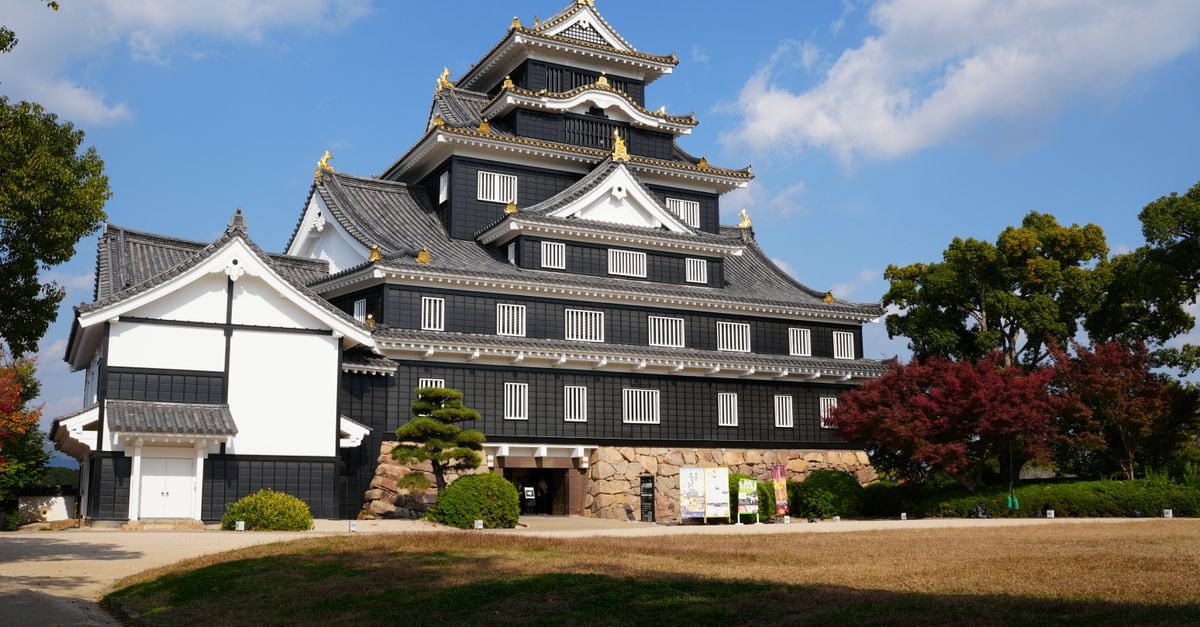
Tucked into the Kofu Basin, the city of Kofu sits in a quietly dramatic pocket of central Honshu. Landlocked Yamanashi Prefecture wraps the basin with mountains, including the famous northern slopes of Mount Fuji and the Fuji Five Lakes to the south. That geography gives Kofu a settled, valley-floor feel, with a horizon shaped by peaks rather than coastline. It's the kind of place where you slow down and let the surrounding ridges set the rhythm for the day, even before you've stepped into a restaurant or onto a train.
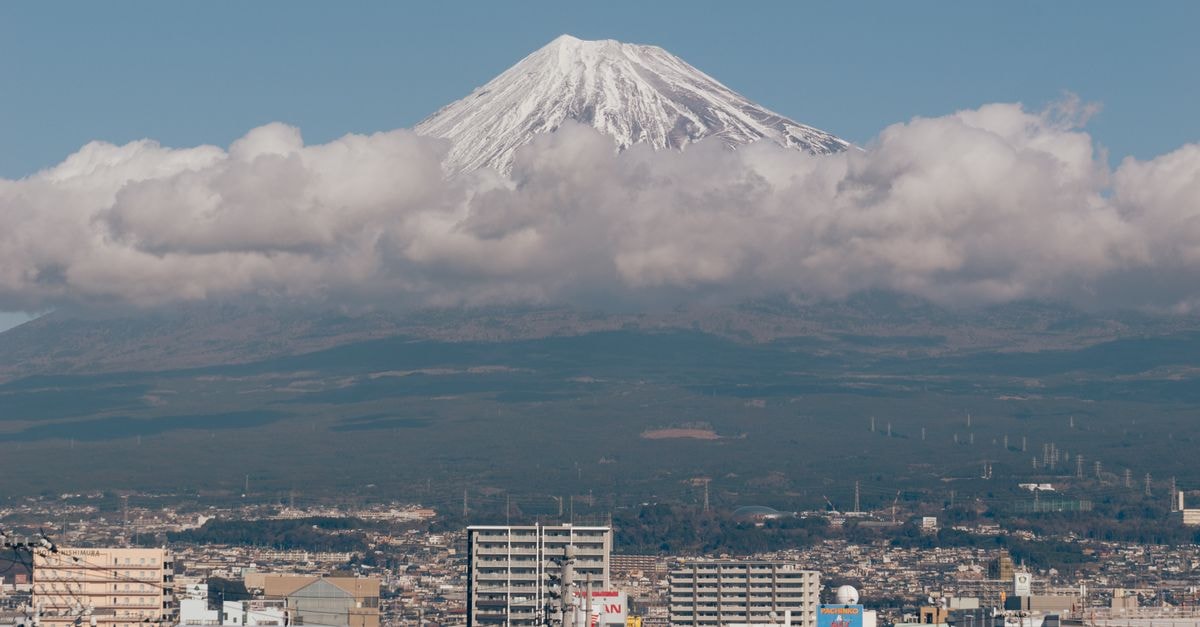
For travelers who like the idea of a Japanese city without the bustle of the largest urban centers, that mountain-ringed setting is the headline. It's worth approaching Kofu with a little patience for that basin scale: streets can feel wider than expected, the sky feels taller, and the day tends to unfold at the pace of the foothills around it.
Getting around the Kofu Basin
Kofu is the central city of landlocked Yamanashi Prefecture, cradled in the Kofu Basin and ringed by mountains. Most famously, the basin looks toward the northern slopes of Mount Fuji, with the Fuji Five Lakes lying on that side of the prefecture. That positioning shapes how you move: getting around is less about crossing a wide metro area and more about thinking in terms of basin and range, or directions that fan out toward the surrounding peaks.
Because the basin is the geographic anchor, many of the practical waypoints visitors care about sit relatively close together, with longer journeys belonging to the mountains themselves. When planning movement in and around the city, it helps to keep that mental map: Kofu as the flat, central hub, with the Fuji foothills and the Fuji Five Lakes reached by heading toward the higher ground to the south.
For travelers who prefer to keep things simple, the basin's compact feel can suit a stay centered on one or two neighborhoods with occasional excursions outward. For those drawn to longer mountain days, the same starting point makes it easy to plan a slower morning in the city before turning your attention to the range.
Food and local context
You won't arrive in Kofu expecting a single signature dish; instead, you'll be stepping into a wider Japanese food culture that travelers tend to encounter wherever they go in the country. As an island nation, Japan sits where warm and cold currents meet, which has built a rich seafood culture that is unique to Japan. That nationwide context is part of the backdrop visitors meet in many Japanese cities, and it's useful framing for understanding the menus and markets you may come across while traveling through the Kofu Basin.
Alongside that, Japan has a strong relationship between farming and cuisine. Students and visitors can visit or stay at local farms and experience how local farmers grow delicious foods that have shaped Japan's washoku culture. The washoku approach to food, with its emphasis on seasonality and regional produce, is the lens that tends to shape everyday Japanese cooking, and it's a helpful reference point when reading menus in the Kofu area.
The range of places to eat across Japan is famously broad. Restaurants in Japan range from mobile food stands to centuries-old ryotei, atmospheric drinking places, seasonally erected terraces over rivers, and inexpensive chain shops. Travelers tend to find that same variety echoed in most Japanese cities, with the mix of casual counters and longer, more traditional rooms depending on the neighborhood you're in.
Japanese cuisine itself has a large variety of dishes and regional specialties, and dining out comes with its own conventions around types of restaurants and table manners. Those conventions are worth treating as part of the experience rather than as obstacles, especially if you're used to eating on the move: sitting down, ordering from a small menu, and letting the pace of the meal match the setting is part of how Japanese food culture works.
For travelers who like to eat with curiosity, the wider Japanese context can suit a slow approach: try a few different formats over the course of a stay, notice how the washoku sensibility shows up in everyday dishes, and treat the rich seafood tradition as a national reference point rather than a guarantee of any particular menu item in Kofu itself.
Choosing what fits a Kofu trip
The tradeoffs in Kofu tend to come down to pace and elevation. Because the city sits in a flat basin ringed by mountains, a trip can lean almost entirely on low-key urban wandering, or it can tilt toward mountain days toward Mount Fuji's northern slopes and the Fuji Five Lakes. Readers who prefer gentler days, with most time spent at city level, may want to build a stay around the basin itself and treat any range outing as a single half-day excursion. Readers drawn to hiking, viewpoints, and longer drives may want to plan at least one full day outside the basin, accepting that those routes add travel time and tend to demand an earlier start. Either way, the basin's compact geography keeps logistics simple: the same central base works for a quiet city day or as a springboard into the surrounding mountains.
A few things worth checking before you go
Factual travel conditions can change, and details that affect a visit to the Kofu Basin, from seasonal road access toward the Fuji Five Lakes to opening patterns at specific restaurants, are best confirmed through official channels closer to your trip. Treat the framing above as a calm introduction to the setting and food culture, and verify the specifics that matter to your own itinerary before you travel.
Share this article
TOOLS FOR THIS PLAN
Make the Kofu plan measurable
Choose a tool only when it answers the next question in your trip. Your values stay in the browser, and each tool offers a route back to this planning context.