Setting the scene
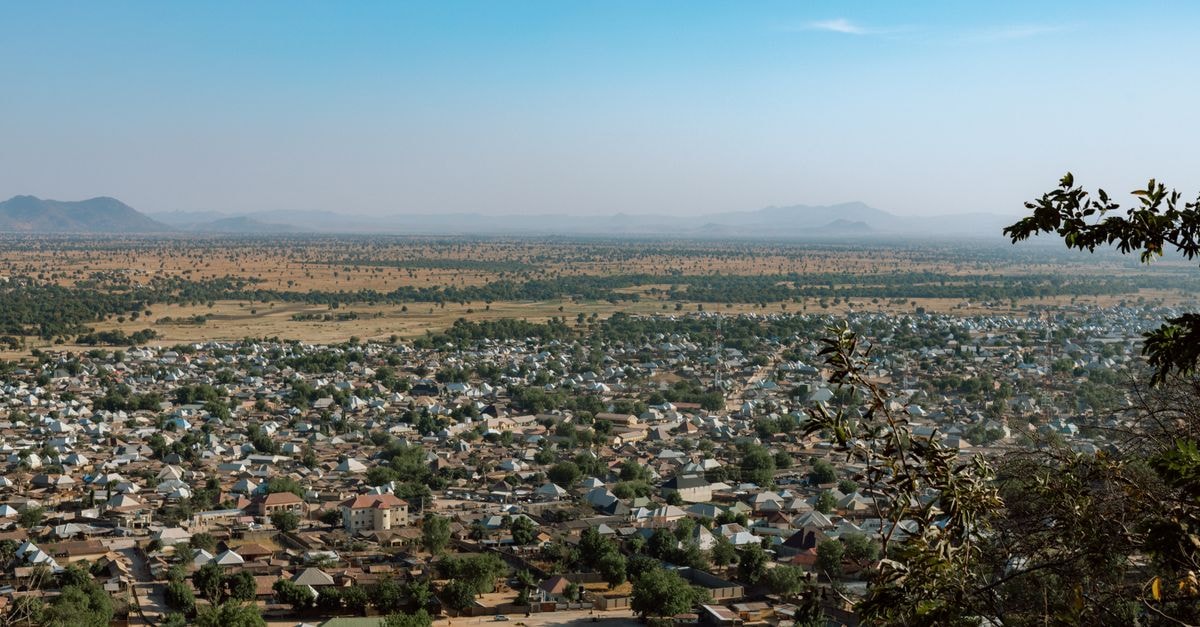
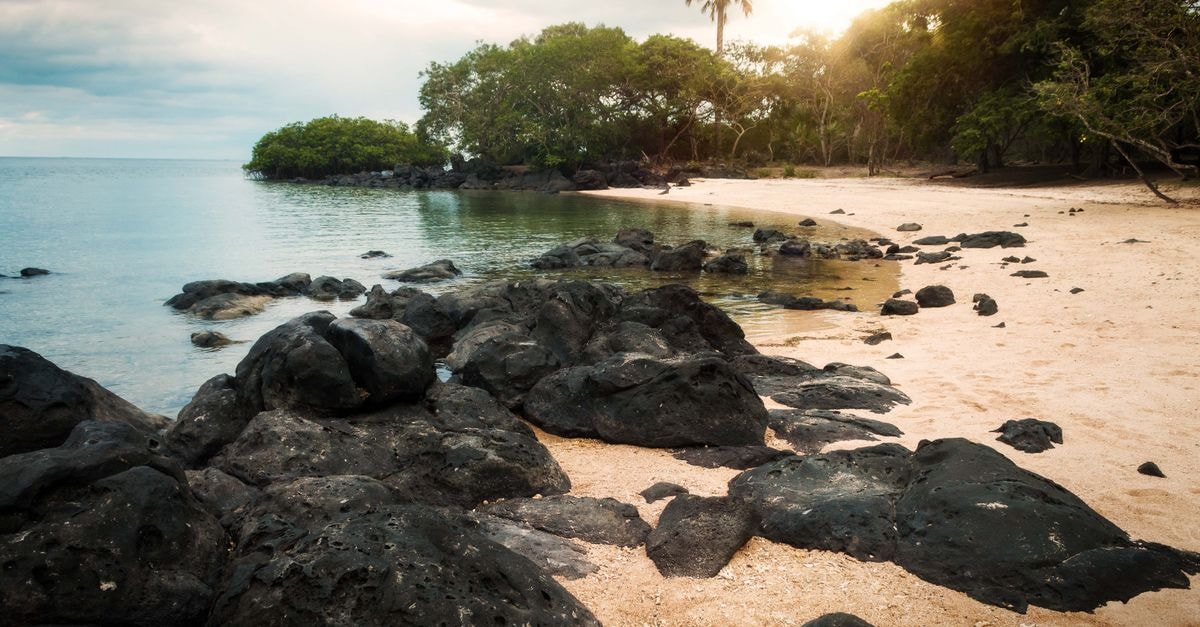
Gbadolite sits deep in the northern reaches of the Democratic Republic of the Congo, a small city that once carried the outsized ambition of a presidential vision. Today it reads as a place where grand architectural gestures sit alongside everyday Congolese life, and where the surrounding rainforest is never far from the edge of town. The mix of faded grandeur and natural setting is, for many visitors, exactly the reason to come.
The city is sometimes called the “city of palaces” because of the lavish residences built here during the rule of President Mobutu Sese Seko. According to the local Wikivoyage entry, Gbadolite “became the ultimate symbol of the kleptocracy of Mobutu's rule,” a line that captures both the visual extravagance and the political weight of what was once constructed here. Those palaces, set against the green backdrop of Nord-Ubangi province, give the city a distinctive silhouette that you don't easily find elsewhere in the country.
For travelers who like places with a story attached to every building, Gbadolite offers a rare combination: a small, quiet cityscape and an unusually dramatic 20th-century history. The mood is unhurried, and the atmosphere leans more toward curiosity than crowds.
Getting around
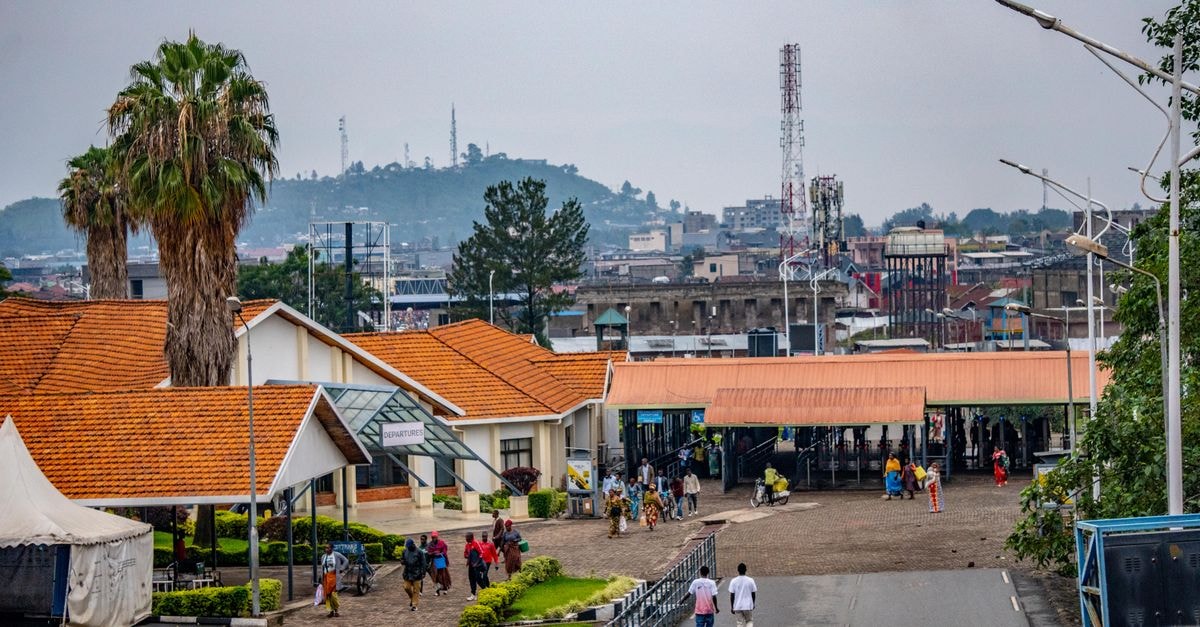
Gbadolite's most famous piece of infrastructure is its airport, and it tells the city's story almost on its own. The Wikivoyage guide notes that the original airfield was “made to accommodate Concorde flights,” a striking detail for a city of this size, and one that hints at the scale of the ambitions once attached to the place. There is even an underground nuclear bunker associated with this period, a reminder of how seriously the project was once taken.
Today the airport operates at a much more modest level. The same source points out that the facility “been reduced to a small domestic airport with just a few weekly flights from Kinshasa,” which is the practical reality a visitor needs to plan around. That means arrivals and departures tend to cluster on specific days rather than running like a busy regional hub, so timing your entry and exit around the Kinshasa schedule is the single most useful piece of transport planning you can do.
If you prefer to keep your itinerary flexible and don't mind shaping your days around a limited flight timetable, this kind of small domestic airport can feel refreshingly simple. If you'd rather have multiple daily flight options, the relative scarcity here is a real constraint and worth confirming with your airline or a local contact before committing to connecting onward travel on the same day. Because the runway was originally designed for long-haul aircraft, the ground infrastructure is more substantial than the current flight traffic would suggest, which can make the airport feel oddly spacious once you're inside.
Within the city itself, distances are short enough that you don't need to think of Gbadolite as a place requiring complicated logistics. The challenge is less about navigating busy streets and more about the rhythm of a smaller Congolese city where transport options are limited and patience goes further than a fixed schedule.
Attractions and planning
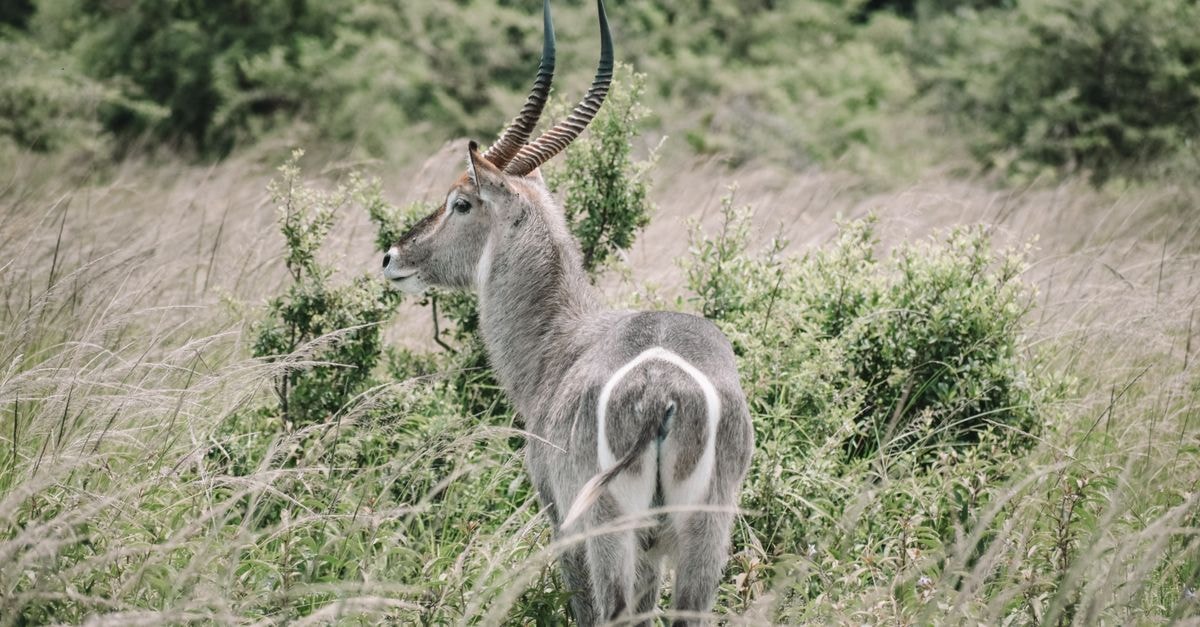
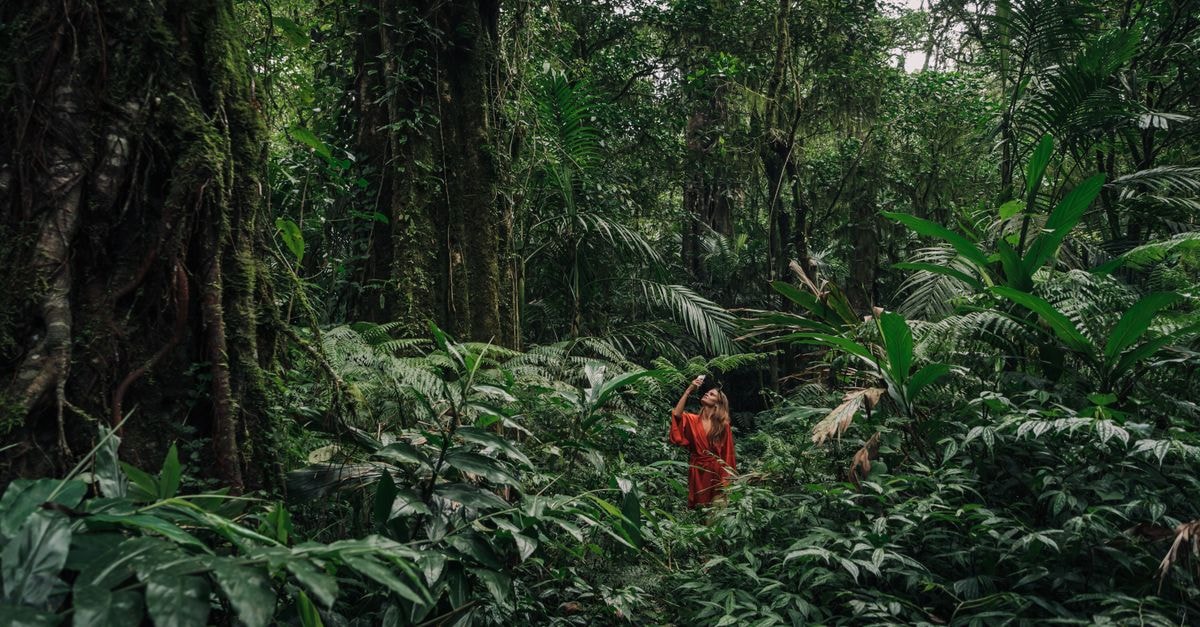
The natural setting is one of Gbadolite's quiet strengths. A Zormor travel feature describes the city as “surrounded by lush rainforests,” and that description matches what most visitors notice on arrival: greenery pressing close to the town, with the rainforest acting as a constant backdrop rather than a distant day trip. For travelers who enjoy birdlife, forest walks, and the kind of incidental nature that turns up between buildings, this setting adds a lot to a stay.
The city also “offers a glimpse into the region's rich cultural heritage,” in the words of the same source, and that heritage is bound up with the palaces, the political history, and the everyday life of Nord-Ubangi. Much of what you experience here is the texture of a place that was once at the center of national attention and has since settled into something more local. For visitors interested in the recent history of the Democratic Republic of the Congo, that contrast is genuinely compelling.
If you prefer slow travel with room to read a place rather than tick off a long list of sights, Gbadolite rewards that pace. There are not dozens of formal attractions to manage, but there is enough historical and natural texture to fill unhurried days. A traveler who wants maximum activity density may find the small scale limiting, while someone drawn to a single place explored in depth will likely appreciate the focus.
On timing, the Zormor guide is direct: “the best time to visit Gbadolite is during the dry season, from June to September, when the weather is more pleasant and roads are more accessible.” That is the clearest piece of seasonal guidance tied to the city itself, and it speaks to two practical realities at once: how the climate feels on the ground and whether the roads leading in and around the area are in good shape. Outside that window, rain can complicate overland movement and make the rainforest feel even more saturated, which is its own kind of experience but a slower, muddier one.
One general travel point worth noting: Gbadolite Nord-Ubangi is not a destination that markets itself with a polished tourist infrastructure, and the Zormor page itself frames it as a place to “visit” rather than as a packaged resort. That openness is part of the appeal for some travelers and a reason to set realistic expectations for others.
Food and local context
Gbadolite does not have a documented restaurant scene in the available guides, so it's worth thinking of eating here as part of the broader texture of the city rather than as a checklist of named places. The DRC Tourism overview does describe Gbadolite as “une ville… marquée par son histoire, son architecture et la diversité de ses quartiers,” which is a useful reminder that meals in Gbadolite tend to be experienced in the context of a city with a strong sense of place: shared plates, neighborhood spots, and the everyday rhythm of a northern Congoliste town.
If you have specific dietary preferences or strict requirements, this is the kind of destination where advance research and a local contact pay off. If you're flexible and curious, mealtimes here tend to be one of the easier ways to feel the personality of the place. Either way, treating food as part of the city's living culture rather than a standalone attraction fits the evidence available.
Choosing what fits your trip
Gbadolite is a destination that suits travelers who are comfortable with limited infrastructure and who value a strong sense of place over a long list of formal sights. If you like historical settings with a story attached, enjoy rainforest as a backdrop rather than a packaged experience, and are happy to plan around a few weekly flights from Kinshasa, the city has a lot to offer in a compact stay. If you need frequent flight connections, a wide choice of restaurants, or a packed daily sightseeing schedule, the small scale here is likely to feel restrictive rather than refreshing. The most useful preparation is flexible dates around the Kinshasa flight, patience with local transport, and a willingness to let the palaces, the forest, and the city's distinctive history do the talking.
Before you go
Because Gbadolite is a small city with limited published tourist information, a couple of practical checks are worth doing before departure. Confirm the current Kinshasa flight days and times with your carrier or a local contact, since the Wikivoyage description of “a few weekly flights” is the clearest guidance available but may have shifted. It's also sensible to ask about road conditions for any overland segment of your journey, particularly outside the June to September window noted by the Zormor guide.
Travel conditions can change, and the situation on the ground in the Democratic Republic of the Congo evolves quickly. Treat the guidance in this article as a starting point, and verify flights, local transport, accommodation, and any entry requirements with official or up-to-date local sources before you travel.
---
*Factual conditions in Gbadolite and across the Democratic Republic of the Congo can change at short notice. Always check official channels for the latest travel, transport, and entry information before departure.*
Share this article
TOOLS FOR THIS PLAN
Make the Gbadolite plan measurable
Choose a tool only when it answers the next question in your trip. Your values stay in the browser, and each tool offers a route back to this planning context.