Destination Overview

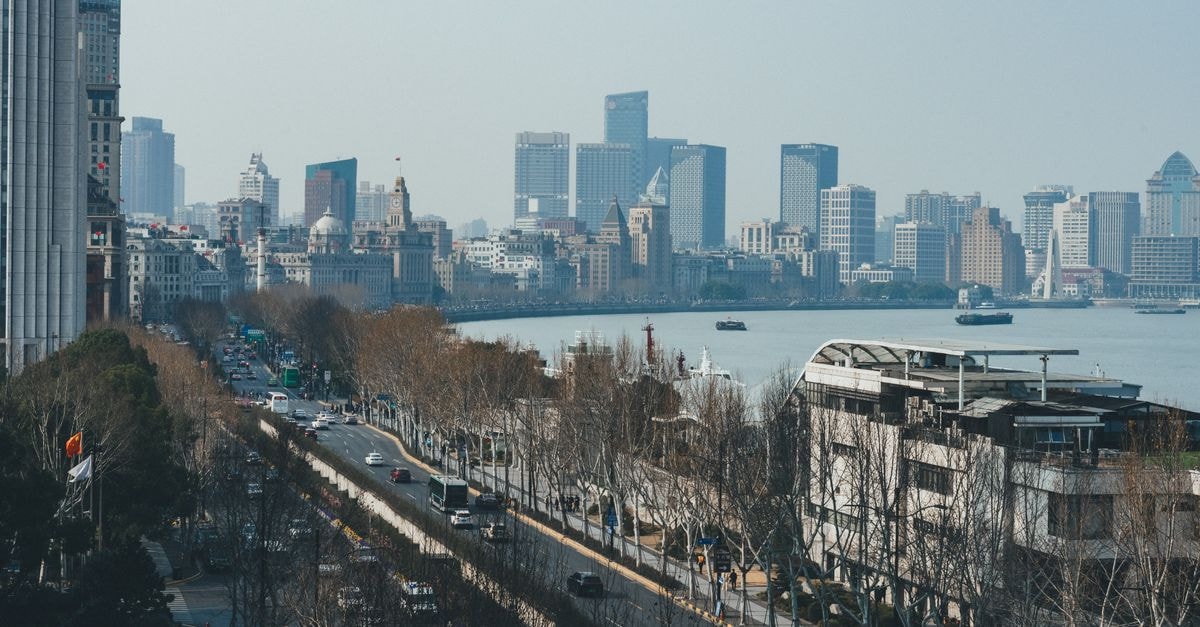
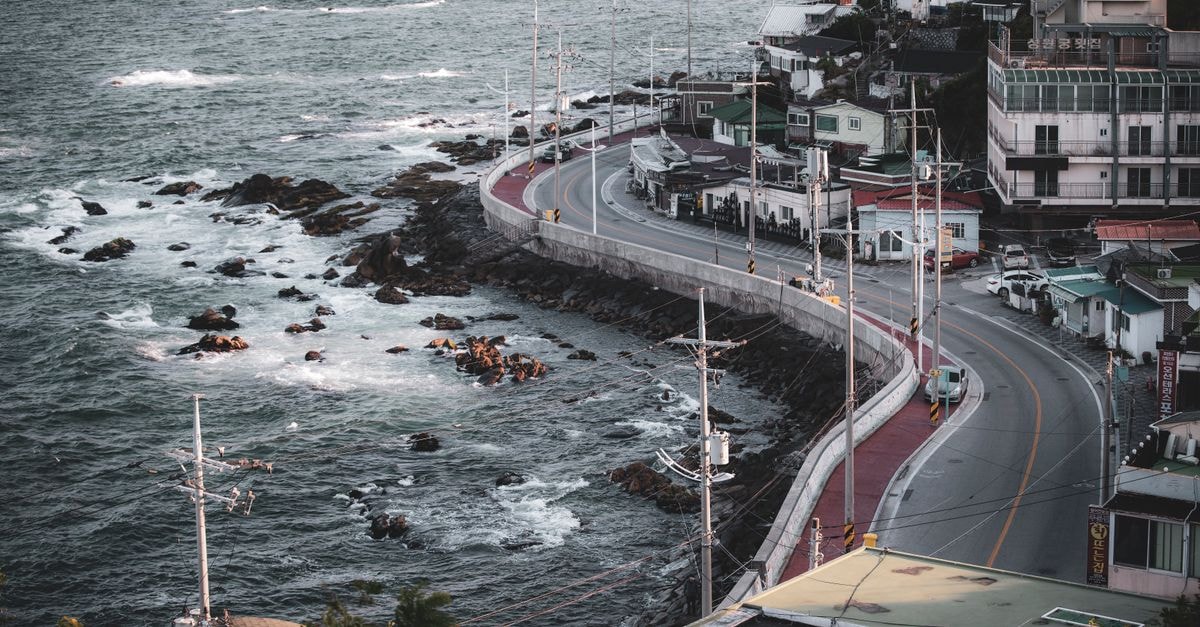
Kagoshima sits in the southern stretch of Kyushu, where the city faces a wide bay and the silhouette of an active volcano on the horizon. It carries a relaxed, open feeling that is quite different from the dense pace of Japan's larger cities. The prefecture is known for rich farmland and exceptional seafood, and the warm climate makes a walk along the waterfront feel unhurried in any season. Among major cities on Japan's main islands, Kagoshima holds the reputation for the warmest climate, and that everyday mildness shapes how locals and visitors move through their days, from early morning markets to evening strolls along the bay. Visitors often notice that the city rewards a slower rhythm: lingering over a meal, watching the light shift over the water, and stepping into small neighborhood spots rather than rushing between major checkpoints. This guide pulls together the practical building blocks for that kind of trip: when to go, how to get around, what to see, and what to eat.
Weather and Seasonal Context
Because Kagoshima enjoys the warmest climate on Japan's main islands, the city feels gentle and outdoor-friendly for much of the year. The most commonly recommended windows for visiting are April–May and October–November, when conditions tend to be comfortable for sightseeing without the heavier crowds of peak periods. If you prefer lower prices and fewer visitors, the shoulder months of March and September are often flagged as a good-value alternative.
There is one climate consideration worth taking seriously: Kagoshima can sit in the path of typhoon activity during the typhoon season, and conditions can shift quickly. Travelers planning a visit during that period should pay close attention to weather forecasts and be prepared to adjust ferry or rail plans on the day. Building a little extra flexibility into your schedule, especially around any coastal or ferry-based plans, tends to make a smoother trip. Pacing the day with calmer indoor stops during the heaviest weather and saving outdoor scenery for clearer windows is a simple way to keep the experience enjoyable.
Getting Around
Kagoshima's geography is shaped by water and mountains, and the most enjoyable connections are the ones that link the urban core to its surroundings. From JR Kagoshima Chuo Station, the Sakurajima Ferry Terminal is roughly a quarter hour away, making it a quick jump from the city center to the famous volcanic landmark across the bay. The ferry crossing itself is part of the experience, with views back toward the city skyline and out toward the volcano.
Another useful connection runs between Kagoshima Airport and Myoken Onsen, taking roughly a quarter hour in either direction. This makes the onsen hot spring area one of the easier side destinations to reach directly on arrival or as a relaxed stop before flying out. For exploring the city itself, the compact waterfront and central districts are simple to navigate on foot, while local trams, buses, and short taxi rides fill in the gaps between neighborhoods and viewpoints. If you are planning to combine the ferry and the onsen in one trip, leave generous transition time so weather or traffic does not compress the experience you came for.
Attractions and Planning
The city's main attractions are well documented on the official Kagoshima tourism pages, which offer a curated look at landmarks, waterfront viewpoints, and the cultural sights that anchor any first visit. The visual emphasis on the bay and the volcano means even the journey between attractions feels scenic, and short transit hops often double as photo opportunities. Because the official tourist site organizes the highlights by area, it helps to pick one or two neighborhoods per day rather than trying to cross the entire city in a single sweep. Treat the waterfront as your anchor, then radiate outward toward markets, museums, and quiet side streets. The downtown arcades and small shrines close to the central station are easy to fold into a slow morning, while the harborfront is best saved for the softer light of late afternoon and evening.
Food and Local Context
Kagoshima Prefecture is widely recognized for having some of the freshest ingredients and most popular dishes in Japan, and the food culture here is built around abundance. The Kuroshio Current runs along the coast, and the fertile waters it brings to the region are at the heart of local cuisine. The official tourism site even centers the word **"kuro,"** meaning “black” or “dark,” as a way to describe Kagoshima's signature flavor: foods such as black pork, black vinegar, and black tea all share that name and are part of everyday meals across the prefecture. A full culinary trip here naturally involves tasting these kuro ingredients in different forms, from grilled pork and lighter vinegar-based dressings to rich broths and pickled side dishes.
Trip Rhythm and Practical Tips
A relaxed Kagoshima itinerary usually starts with a waterfront afternoon, a slow dinner built around local ingredients, and a second day built around the ferry crossing or the airport onsen connection. With the ferry terminal only a short hop from JR Kagoshima Chuo Station and the airport onsen route similarly short, you can comfortably structure travel days around a single long experience rather than rushing through multiple stops. Booking lodging near the central station or the bay keeps both routes easy, and leaves the rest of the day open for wandering. Travelers who like their evenings quiet will appreciate that the city's pace softens noticeably after dinner, and many small izakaya and local restaurants serve late without becoming overwhelmingly busy.
Final Notes Before You Go
Factual travel conditions can change, so checking official transport and weather channels before departure is always wise. Ferry timetables, typhoon advisories, and onsen opening hours should be confirmed closer to your visit, especially during the typhoon season. If you are weighing when to go, the April–May and October–November windows tend to offer the most balanced mix of weather and crowd levels, while March and September are useful for value-focused travelers. Even outside those windows, Kagoshima's warm climate and the gentle pace of the city make it a worthwhile destination for travelers who prefer fewer crowds and more time spent simply enjoying the scenery and the food.
Prices, opening hours, schedules, reservation rules, and local conditions can change; verify them through official channels before departure.
Share this article
TOOLS FOR THIS PLAN
Make the Kagoshima plan measurable
Choose a tool only when it answers the next question in your trip. Your values stay in the browser, and each tool offers a route back to this planning context.