A desert city shaped by oil and wind
Set in the Gobi region of Xinjiang, Karamay carries a reputation as one of China's most distinctive "hardcore" oil cities, an identity forged by its petroleum industry and the wide, arid terrain that surrounds it. Travelers who make it here tend to come for two very different reasons: to see how a modern resource hub operates on the edge of the desert, and to use the city as a jumping-off point for some of the country's most dramatic yardang landscapes. The result is a place where industrial grit meets geological wonder, and where planning ahead matters more than it would in a more conventional tourist stop.
The energy of the city is practical rather than polished, and that practicality shapes how visitors experience it. Rather than aiming for a slow, scenic city break, most travelers treat Karamay as a focused stop: a base for one or two specific outings, an overnight between longer journeys, or a destination in its own right for anyone drawn to remote, visually striking terrain. Even so, a few shared habits around food and gathering make any stay here feel connected to wider Chinese travel rhythms, which is worth keeping in mind before you arrive.
Where yardang landscapes meet the Gobi
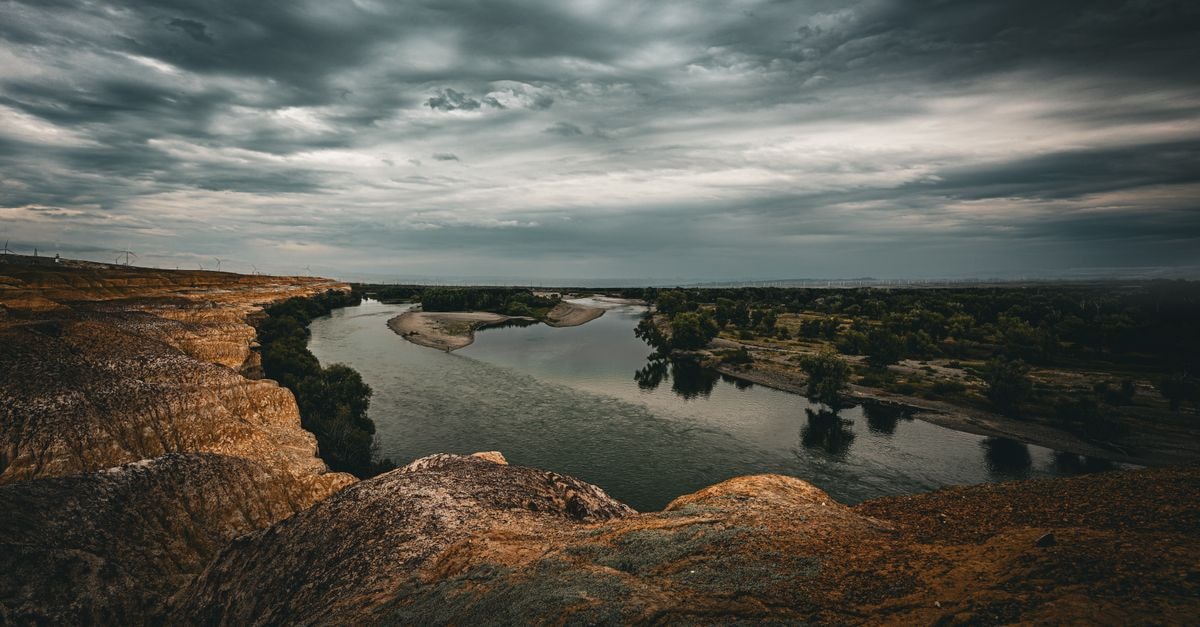
A short distance from the city, a site widely visited from Karamay offers the kind of scenery that defines a trip here. The canyon features typical yardang landforms, geological features carved by wind erosion that produce a wide variety of uniquely shaped rock formations. Because wind rather than water has done most of the sculpting, the result feels closer to an open-air sculpture park than to a river valley in the conventional sense, and visitors often describe the site with affectionate nicknames drawn from its appearance.
One widely used nickname for the area is the "Magical Castle on the Gobi," a phrase that captures how the wind-carved pillars and ridges read at a distance: less like a canyon and more like a fortress rising out of the desert floor. For travelers, this is the visual centerpiece of a Karamay visit, the place where the surrounding landscape stops being a backdrop and becomes the reason for the trip.
Travelers who prefer geology and quiet, naturally shaped scenery over manicured gardens or curated city walks may find this kind of wind-eroded landscape especially rewarding, as the reward here is the terrain itself rather than facilities built on top of it. Because the canyon is experienced as an open, exposed landscape, a few evergreen habits tend to serve visitors well. Sturdy footwear matters more than fashionable shoes, sun protection is your friend throughout the day, and water belongs in the bag from the moment you leave the city. None of these details are specific seasonal tricks; they are simply the baseline for enjoying a yardang landscape in Xinjiang at any time of year.
Food and the rhythms of Chinese dining
While Karamay has its own local food culture shaped by Xinjiang and the wider northwest, many of the dining habits visitors encounter here are part of a broader Chinese pattern. Across China, eating is treated as one of the most important social rituals, and the country is widely recognized for having one of the world's most varied cuisines. That variety means a meal out in Karamay is rarely just a meal; it is an occasion with its own tempo, and understanding that tempo helps a foreign visitor blend in more comfortably.
For travelers, this shared, slow-paced style of eating tends to suit anyone who enjoys long, sociable meals and tasting multiple dishes in one sitting. It can feel less intuitive for visitors used to individually plated courses and a single decisive moment of ordering, in which case a relaxed approach and a willingness to share go a long way. The variety on offer also makes it forgiving for diners with mixed preferences: a single table can usually be steered toward familiar staples like rice, noodles, steamed bread, or simply cooked vegetables alongside more regional Xinjiang flavors, so traveling companions do not need to agree on every plate.
What to keep in mind before you go
Karamay rewards travelers who arrive with a clear sense of what they want to see, because the city itself is functional rather than ornamental. The single most compelling draw is the yardang terrain near the city, often nicknamed the "Magical Castle on the Gobi," and most itineraries naturally revolve around a focused visit there. Beyond the canyon, the city's identity as a petroleum hub adds texture and context, but it is not a place that insists on a packed schedule.
Climate in this part of Xinjiang can swing noticeably between day and night, and outdoor sites like the canyon are open, exposed environments. Layered clothing, sun protection, and steady water intake are useful in any season, and pacing your day around the cooler hours is a habit many visitors adopt regardless of when they travel. The terrain itself involves walking on uneven ground, so comfortable, closed footwear matters more than it would in a flat, paved city.
A few details deserve a quick verification once you start firming up plans: the most current way to reach the canyon from the city, whether any on-site visitor facilities or guided options are running, and the easiest route back to your base after a sunset visit. These are not complaints about the destination; they are simply the normal checks that turn a good trip into a smooth one, especially in a region where landscape and logistics go hand in hand.
Factual travel conditions can change at any time, and official channels should always be checked before departure so that your plans reflect the latest information on access, transport, and any on-site services.
Share this article
TOOLS FOR THIS PLAN
Make the Karamay plan measurable
Choose a tool only when it answers the next question in your trip. Your values stay in the browser, and each tool offers a route back to this planning context.