Arriving in Pematangsiantar
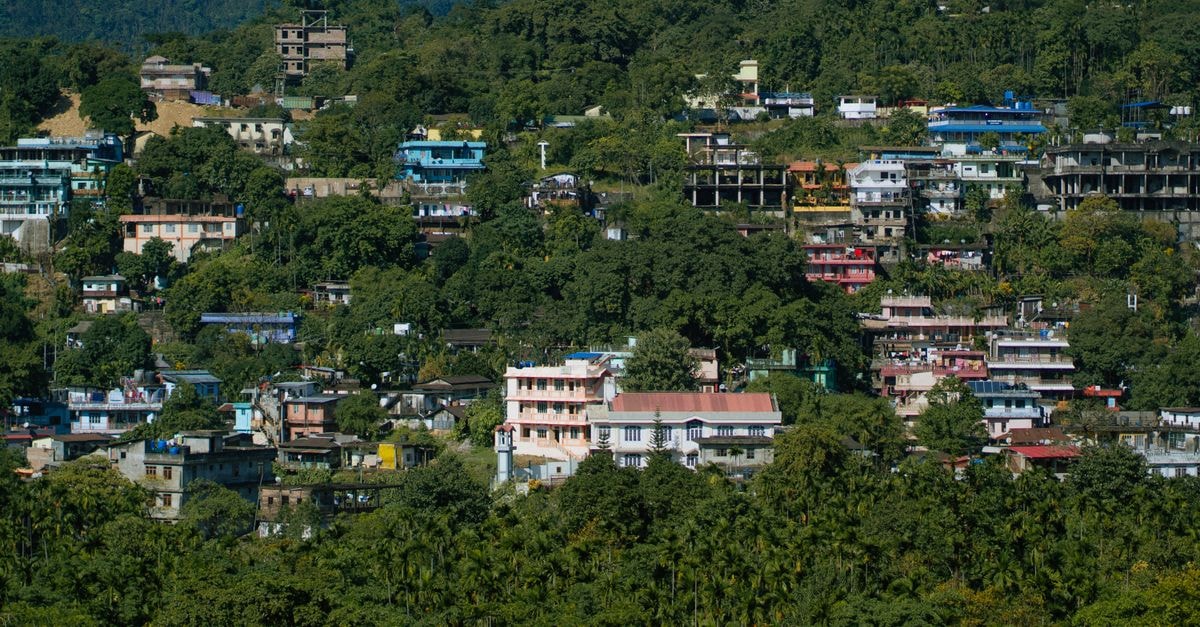
Pematangsiantar sits in the agricultural heart of North Sumatra, a working city where colonial brick facades still line the streets and Batak eateries share the blocks with crowded wet markets. It is the kind of place that reveals itself slowly: the scent of roasting coffee drifts from small storefronts, scooters weave between older shophouses, and the rhythm feels distinctly local rather than touristy. For independent travelers, the appeal is less about a checklist of sights and more about soaking up an everyday Sumatran city that doubles as a natural pause between Medan and the highland lake country to the west. The pace here tends to feel unhurried, even when the streets are full.
If you are visiting Pematangsiantar as part of a longer North Sumatra route, it works well as a short stopover rather than a destination in its own right. You can settle in, try the local coffee, eat well, and then continue on toward the lake district when you are ready.
Getting around and onward
Pematangsiantar is primarily a transit point, so knowing how people move in and out of the city is often more useful than memorizing internal routes. The practical reality is that most visitors arrive overland from Medan and continue westward, and the available options reflect that.
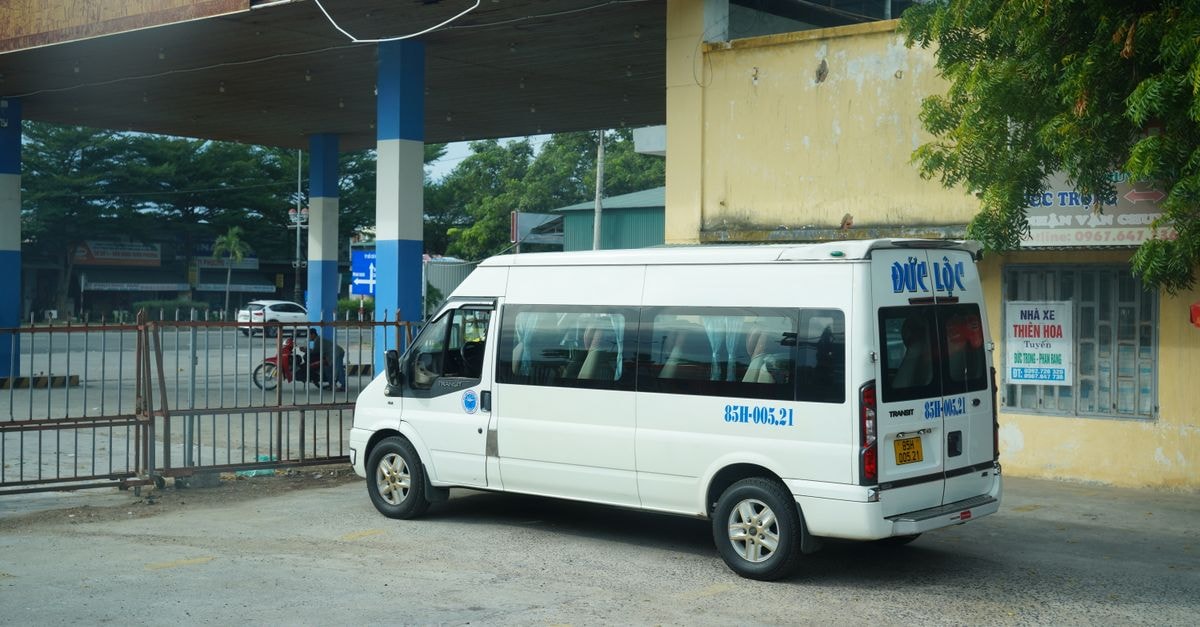
A big bus from Medan to Pematangsiantar, leaving from the Amplas bus terminal, typically costs around Rp18,000-22,000, which makes the bus one of the more affordable ways to make the trip. Trains also depart daily from Medan for the run, giving travelers a second overland option to weigh against the bus. Fares and exact departure details tend to shift over time, so confirming the latest schedule and price with the station, your guesthouse, or an official ticketing channel shortly before you travel is usually the safest approach.
Once in the city itself, short rides by angkot (public minivan) or ojek (motorcycle taxi) are the most common way to get between the bus or train drop-off points and a guesthouse. Costs for these short city rides are usually small, and they are best arranged on the spot rather than booked in advance. Walking is workable in the central grid for short distances, especially around the markets and the older colonial-era blocks, but distances between clusters can add up, so be ready to mix walking with short rides rather than relying on foot alone.
Coffee stops and eating well
Pematangsiantar's reputation for strong local coffee and pork plates is one of the first things travelers hear about, and it is easy to see why the city lingers in food-focused memories. The Batak culinary tradition running through the area leans into bold flavors and hearty portions, and small warungs serve as everyday gathering points for friends, families, and traveling merchants. Sitting down at a busy local spot and ordering whatever is on the chalkboard that day is often the most rewarding approach, rather than searching for a curated list.
It helps to understand the wider Indonesian food culture that frames what you are eating here. Indonesian cuisine is shaped by enormous geographic and cultural variety across the archipelago, and the country's food scene is increasingly discussed not just for its flavors but for the social and cultural values that sit behind each dish. Knowing that you are sampling one regional expression of a much larger culinary map can make even a simple plate of rice, pork, and sambal feel more meaningful. It is a reminder that what arrives at your table in a small Pematangsiantar warung is connected to a much broader story.
For travelers who care about food as a window into place, the city rewards curiosity more than planning. Wander past a market, follow the smoke from a roadside grill, or ask a guesthouse owner where they eat after work. These small, unscripted choices usually lead to the most memorable meals and offer a real sense of how locals actually eat.
A practical note on costs and planning
Currency figures are a reference only, and the live exchange rate can shift, so it is worth checking the current rate before you exchange money or pay for larger items. Prices in markets and small eateries are usually quoted in Indonesian rupiah, and cash remains the most reliable way to pay at the more local-leaning spots.
Before you go
Factual travel conditions can change, and details such as transport schedules, fares, and operating hours are best confirmed through official channels or your guesthouse shortly before departure. Treat anything in this guide as a starting point for your own planning rather than a final answer.
Verification question: Are there any specific Batak dishes or markets in Pematangsiantar that you would like more detail on?
Share this article
TOOLS FOR THIS PLAN
Make the Pematangsiantar plan measurable
Choose a tool only when it answers the next question in your trip. Your values stay in the browser, and each tool offers a route back to this planning context.